Pages
200
Year
2024
Level
intermediate
Read time
5h
Steve Wilson · O'Reilly Media · 2024
Reviewed by Ashish Sheth · Updated August 2026
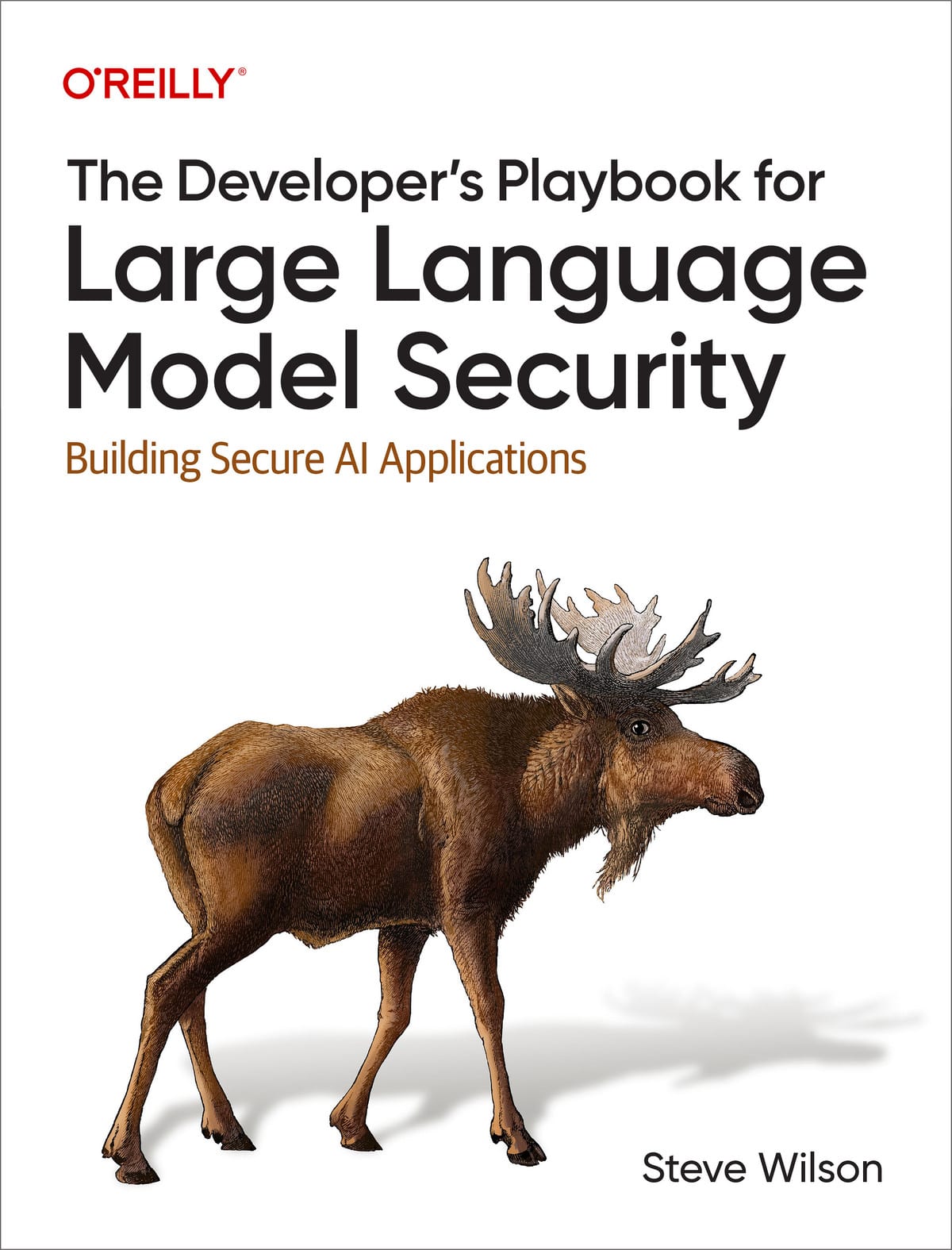
The Developer's Playbook for Large Language Model Security
Building Secure AI Applications
4.6 / 5
AMAZON · 29 RATINGS
security · llm
SUBJECTS
What you'll come away with
01.
Why LLM apps fail in ways classic web-security checklists do not catch
02.
A concrete defense for each risk in the OWASP Top 10 for LLMs
03.
How to reason about prompt injection when you cannot fully prevent it
04.
Where to put guardrails, rate limits, and human review in an AI pipeline
05.
How to keep an LLM agent from doing more than the task actually needs
Strengths
+The most practical single book on securing apps built with LLMs
+Written for developers, so advice maps onto code you are already writing
+Built on the OWASP Top 10 for LLMs, so the coverage is structured and current
+Short and focused; you can read it before a launch and act on it
Caveats
−A fast-moving field, so some tools and attacks will keep evolving past print
−Assumes you already build software; it is not an introduction to AI itself
−Broad by design, so a specific attack class may need deeper follow-up reading
★ 4.6 FROM 29 READERS ON AMAZON
Check Price on Amazon →
Read this if
→Developers adding LLM features who want a security baseline before shipping
→Teams standing up RAG, chatbots, or agents without a dedicated AI-security reviewer
→Engineers who know web security but are new to LLM-specific risks
Skip this if
—Readers looking for a general introduction to machine learning or LLMs
—Security researchers who already work on adversarial ML full time
—Anyone wanting deep, math-heavy treatment of a single attack class
Head-to-head comparisons
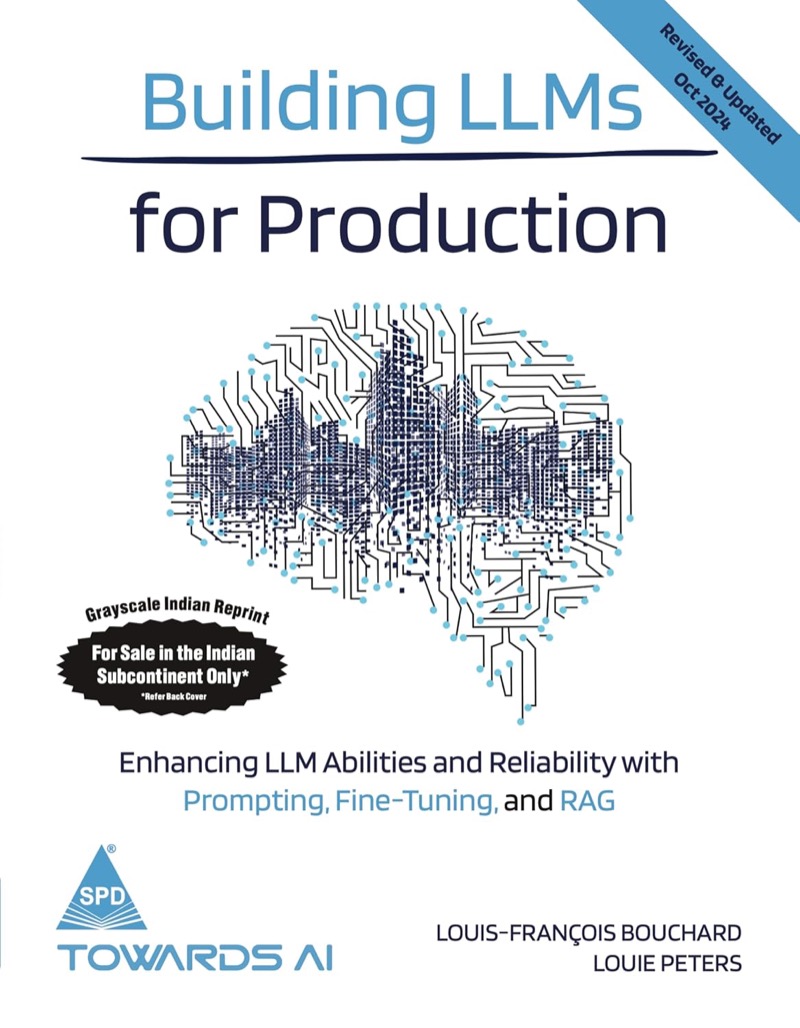
The Developer's Playbook for Large Language Model Security vs Building LLMs for Production → The Developer's Playbook for Large Language Model Security vs Security Engineering → Frequently asked
Who should read The Developer's Playbook for Large Language Model Security?
Developers and tech leads who are adding LLM features, chatbots, RAG systems, or agents to a product and want a security baseline before they ship. It assumes you build software but are new to the risks specific to large language models, and it maps each risk onto practical code-level defenses. About 40 Goodreads readers rate it around 3.7.
Does the book cover the OWASP Top 10 for LLM Applications?
Yes. Author Steve Wilson founded and leads the OWASP Top 10 for LLM Applications project, and the book is structured around those risks, prompt injection, data leakage, training-data poisoning, supply-chain issues, and excessive agency among them. Each risk comes with a concrete defense rather than theory alone.
How is it different from a classic web-security book?
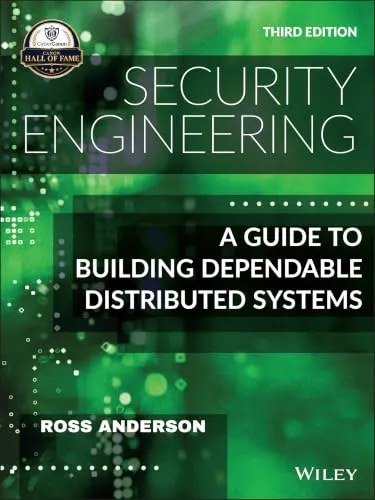
Classic web-security books cover injection, cross-site scripting, and authentication for traditional apps. This book covers the failures that are unique to LLMs, where a model can be steered by untrusted text in its context window or an agent can take actions it should not. Read it alongside a general title such as Security Engineering for full coverage.
Is the book still useful given how fast AI security changes?
The specific tools and attacks will keep moving, but the way the book frames risks, least privilege for agents, guardrails around inputs and outputs, and treating security as an ongoing process, holds up well. Use it for the durable approach and follow current OWASP guidance for the latest attack details.
Read this next
2 alternatives
Ready?
Check Price on Amazon →