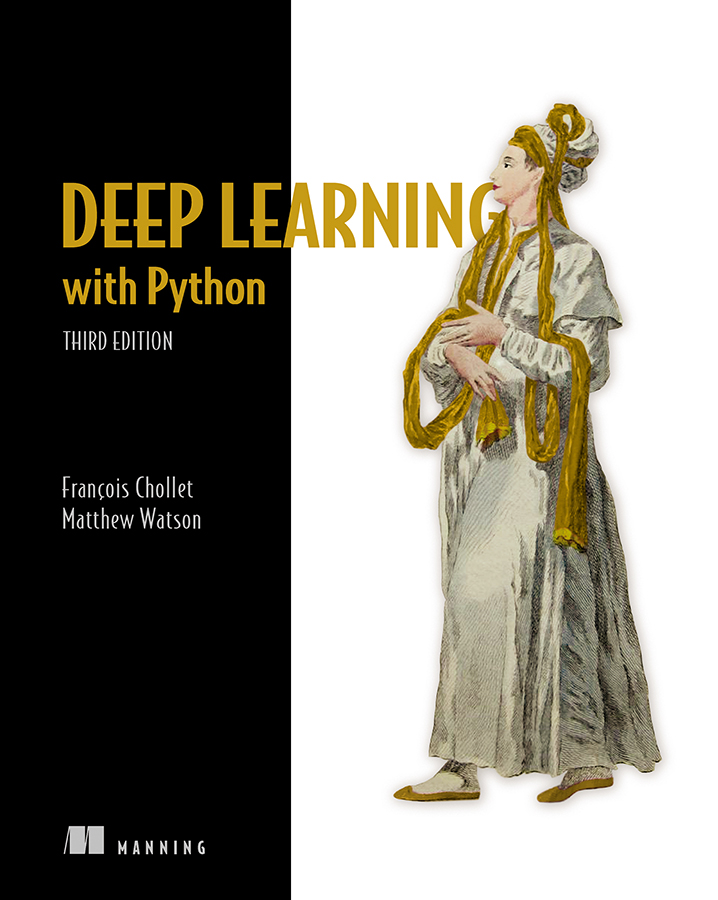
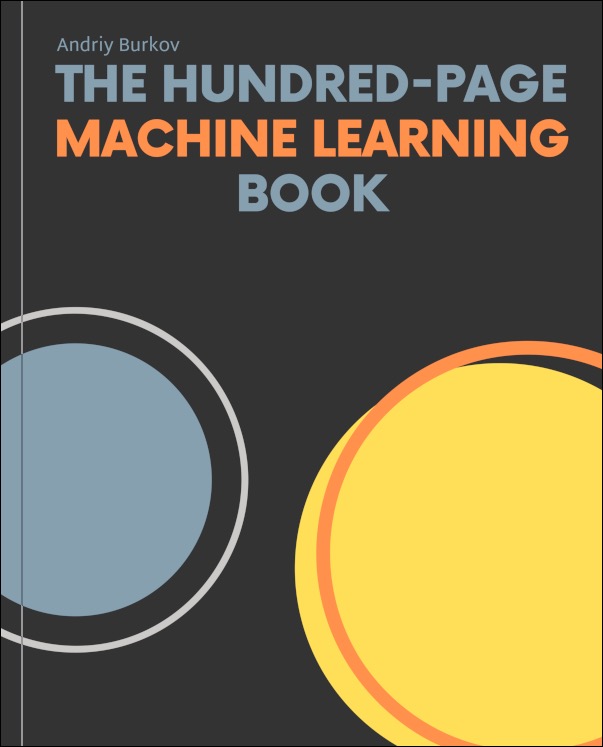
Deep Learning with Python versus The Hundred-Page Machine Learning Book.
Both show up on every "best" list. They're not competitors. They're a sequence. Here's which one to read first, and when.
Reviewed by Ashish Sheth · Updated May 2026
Author
François Chollet, Matthew Watson
Andriy Burkov
Pages
1250
160
Published
2025
2019
Publisher
Manning Publications
Andriy Burkov (self-published)
Level
intermediate
beginner to intermediate
Amazon Rating
4.5/5 (25)
4.6/5 (1,400)
Goodreads Rating
4.57/5 (1,428)
4.25/5 (1,466)
Deep Learning with Python
Strengths
+ Written by the creator of Keras — authority is unmatched
+ 3rd edition (2025) adds JAX, PyTorch, generative AI, and Keras 3 multi-backend
+ Clear, code-driven explanations without unnecessary math
+ Develops genuine intuition, not just recipe-following
Caveats
− 1,250 pages — significant time commitment
− Keras-first framing may feel indirect if you live in pure PyTorch
− Goes broad rather than deep on the newest LLM-era techniques (pair with AI Engineering for production LLM work)
The Hundred-Page Machine Learning Book
Strengths
+ Distills a massive field into ~150 readable pages
+ Endorsed by Peter Norvig and other ML luminaries
+ Author follows up with companion books for deeper dives
+ Costs less than a textbook chapter and is more useful
Caveats
− Genuinely a survey, not a tutorial — you cannot build models from this alone
− Some math notation moves fast for absolute beginners
− Not enough depth to prepare for ML engineer interviews at top companies
The verdict
Read The Hundred-Page Machine Learning Book first to build foundations, then move to Deep Learning with Python for advanced concepts.
Deep Learning with Python
Check Price on Amazon →
The Hundred-Page Machine Learning Book
Check Price on Amazon →
Frequently asked
Which is better, Deep Learning with Python or The Hundred-Page Machine Learning Book?
Read The Hundred-Page Machine Learning Book first to build foundations, then move to Deep Learning with Python for advanced concepts.
How is the 3rd edition different from the 2nd?
The 3rd edition (October 2025) adds Keras 3 multi-backend support, PyTorch and JAX primers, and full coverage of modern generative AI. It's also significantly longer (1,250 vs 504 pages). If you read the 2nd edition recently, the new content is the main reason to upgrade.
Can I really learn machine learning in 100 pages?
You can learn the vocabulary, the major algorithms, and how to think about ML problems. You cannot learn to build production models. Treat this as a map, not a tutorial.