Pages
861
Year
2022
Level
beginner to intermediate
Read time
22h
Aurélien Géron · O'Reilly Media · 2022
Reviewed by Ashish Sheth · Updated April 2026
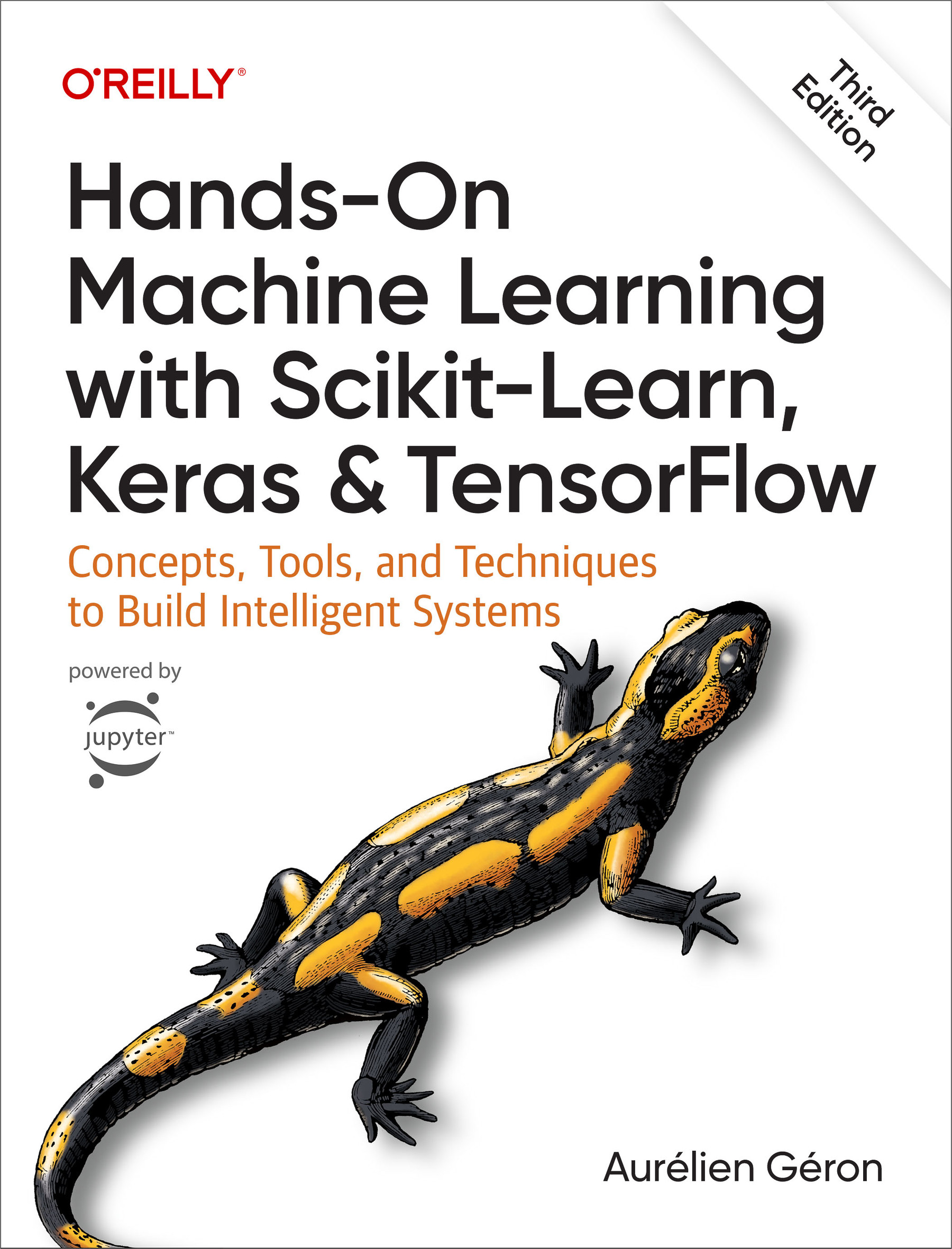
Hands-On Machine Learning with Scikit-Learn, Keras, and TensorFlow
Concepts, Tools, and Techniques to Build Intelligent Systems
4.7 / 5
AMAZON · 372 RATINGS
machine learning · deep learning
SUBJECTS
What you'll come away with
01.
How to actually run an ML project from raw data to deployed model
02.
When to reach for classical ML vs deep learning
03.
Scikit-Learn pipelines for reproducible preprocessing
04.
How to build, train, and tune neural networks in Keras
05.
Computer vision and sequence modeling fundamentals
06.
How to deploy and serve TensorFlow models in production
Strengths
+Most practical, code-first ML book on the market
+Updated 3rd edition covers transformers and modern deep learning
+Real datasets and exercises that build genuine intuition
+Bridges classical ML and deep learning in one volume
Caveats
−861 pages can feel intimidating for casual readers
−Heavy on TensorFlow when industry has shifted toward PyTorch
−Some chapters move fast for true beginners with no Python background
★ 4.7 FROM 372 READERS ON AMAZON
Check Price on Amazon →
Read this if
→Software engineers learning ML for the first time
→Developers who want one book to take them from sklearn basics to neural networks
→Indian engineering students preparing for ML roles or data science interviews
Skip this if
—Researchers wanting deep mathematical proofs
—Pure PyTorch shops with no interest in TensorFlow
—Readers who only want LLM and generative AI content (start with Hands-On LLMs instead)
Head-to-head comparisons
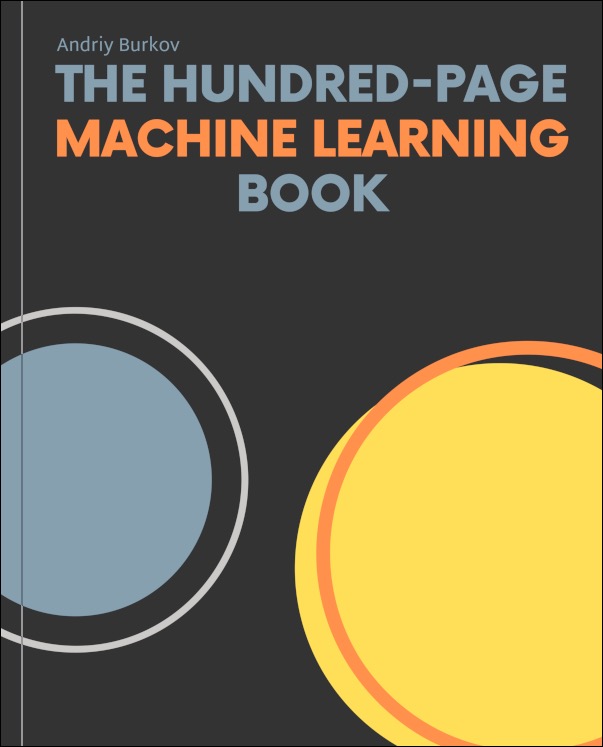
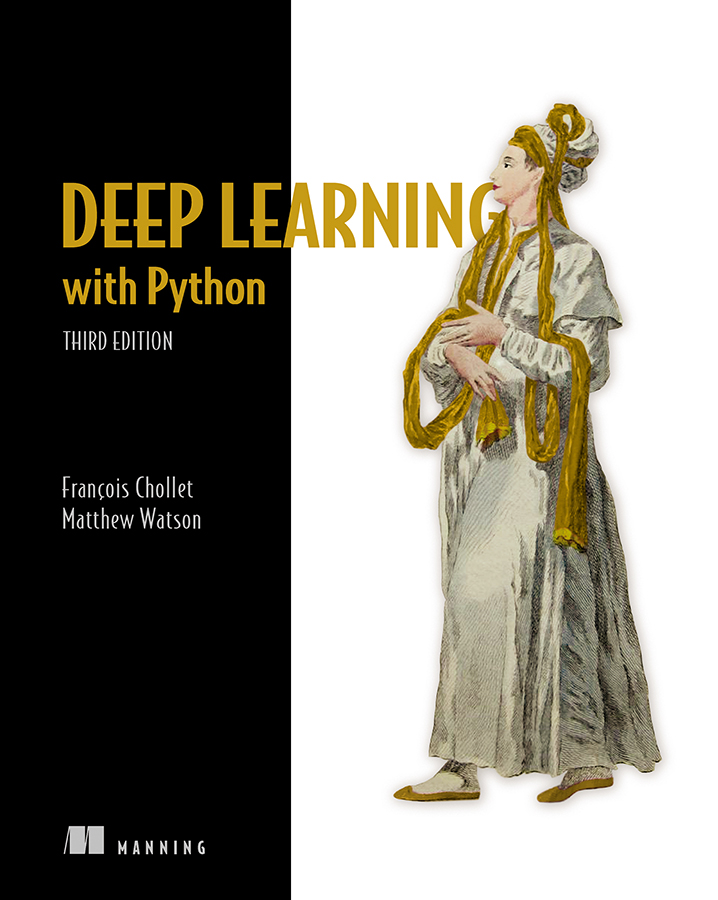
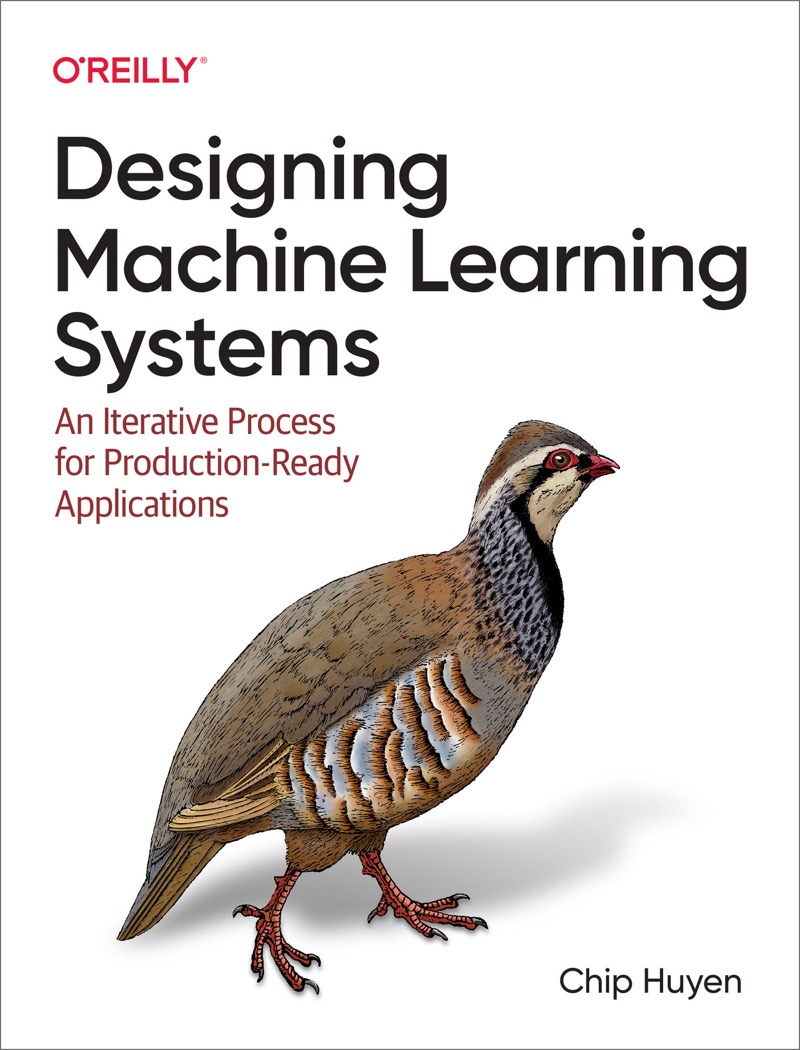
Hands-On Machine Learning with Scikit-Learn, Keras, and TensorFlow vs The Hundred-Page Machine Learning Book → Hands-On Machine Learning with Scikit-Learn, Keras, and TensorFlow vs Deep Learning with Python → Hands-On Machine Learning with Scikit-Learn, Keras, and TensorFlow vs Designing Machine Learning Systems → Frequently asked
Is Hands-On Machine Learning good for complete beginners?
If you can write Python and remember high-school math, yes. The book teaches ML concepts as you build them. You don't need calculus or linear algebra fluency to start.
Should I read the 3rd edition or earlier editions?
Always the 3rd edition (2022). It adds transformers, modern deep learning, and reflects current best practices. Earlier editions miss the post-2020 shifts.
Is this book still relevant in 2026 given the LLM boom?
Yes. Most production ML in Indian companies is still classical ML on tabular data, not LLMs. And the deep learning fundamentals here are exactly what you need before tackling transformer-heavy books.
Read this next
3 alternatives
Ready?
Check Price on Amazon →