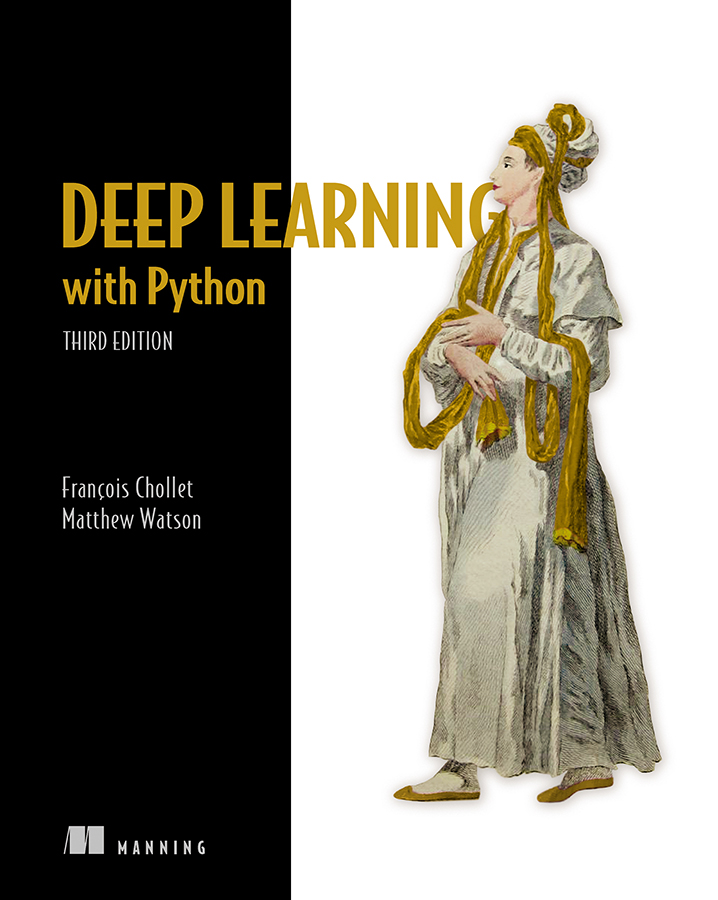
Deep Learning with Python versus Hands-On Machine Learning with Scikit-Learn, Keras, and TensorFlow.
Both show up on every "best" list. They're not competitors. They're a sequence. Here's which one to read first, and when.
Reviewed by Ashish Sheth · Updated May 2026
Option B
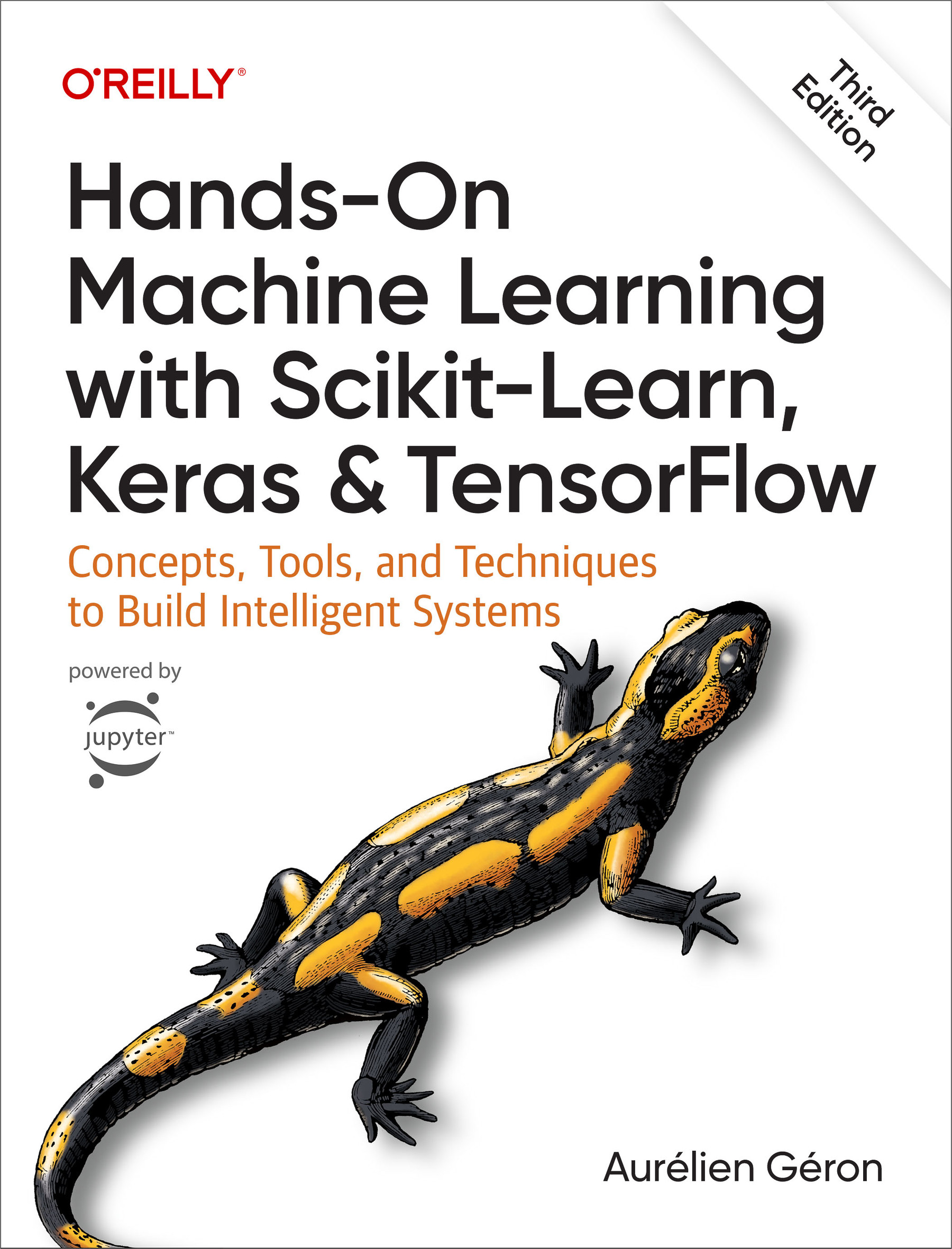
Hands-On Machine Learning with Scikit-Learn, Keras, and TensorFlow
Aurélien Géron · 2022
READ FULL REVIEW →
Author
François Chollet, Matthew Watson
Aurélien Géron
Pages
1250
861
Published
2025
2022
Publisher
Manning Publications
O'Reilly Media
Level
intermediate
beginner to intermediate
Amazon Rating
4.5/5 (25)
4.7/5 (372)
Goodreads Rating
4.57/5 (1,428)
4.55/5 (600)
Deep Learning with Python
Strengths
+ Written by the creator of Keras — authority is unmatched
+ 3rd edition (2025) adds JAX, PyTorch, generative AI, and Keras 3 multi-backend
+ Clear, code-driven explanations without unnecessary math
+ Develops genuine intuition, not just recipe-following
Caveats
− 1,250 pages — significant time commitment
− Keras-first framing may feel indirect if you live in pure PyTorch
− Goes broad rather than deep on the newest LLM-era techniques (pair with AI Engineering for production LLM work)
Hands-On Machine Learning with Scikit-Learn, Keras, and TensorFlow
Strengths
+ Most practical, code-first ML book on the market
+ Updated 3rd edition covers transformers and modern deep learning
+ Real datasets and exercises that build genuine intuition
+ Bridges classical ML and deep learning in one volume
Caveats
− 861 pages can feel intimidating for casual readers
− Heavy on TensorFlow when industry has shifted toward PyTorch
− Some chapters move fast for true beginners with no Python background
The verdict
Read Hands-On Machine Learning with Scikit-Learn, Keras, and TensorFlow first to build foundations, then move to Deep Learning with Python for advanced concepts.
Deep Learning with Python
Check Price on Amazon →
Hands-On Machine Learning with Scikit-Learn, Keras, and TensorFlow
Check Price on Amazon →
Frequently asked
Which is better, Deep Learning with Python or Hands-On Machine Learning with Scikit-Learn, Keras, and TensorFlow?
Read Hands-On Machine Learning with Scikit-Learn, Keras, and TensorFlow first to build foundations, then move to Deep Learning with Python for advanced concepts.
How is the 3rd edition different from the 2nd?
The 3rd edition (October 2025) adds Keras 3 multi-backend support, PyTorch and JAX primers, and full coverage of modern generative AI. It's also significantly longer (1,250 vs 504 pages). If you read the 2nd edition recently, the new content is the main reason to upgrade.
Is Hands-On Machine Learning good for complete beginners?
If you can write Python and remember high-school math, yes. The book teaches ML concepts as you build them. You don't need calculus or linear algebra fluency to start.