Pages
408
Year
2022
Level
intermediate
Read time
11h
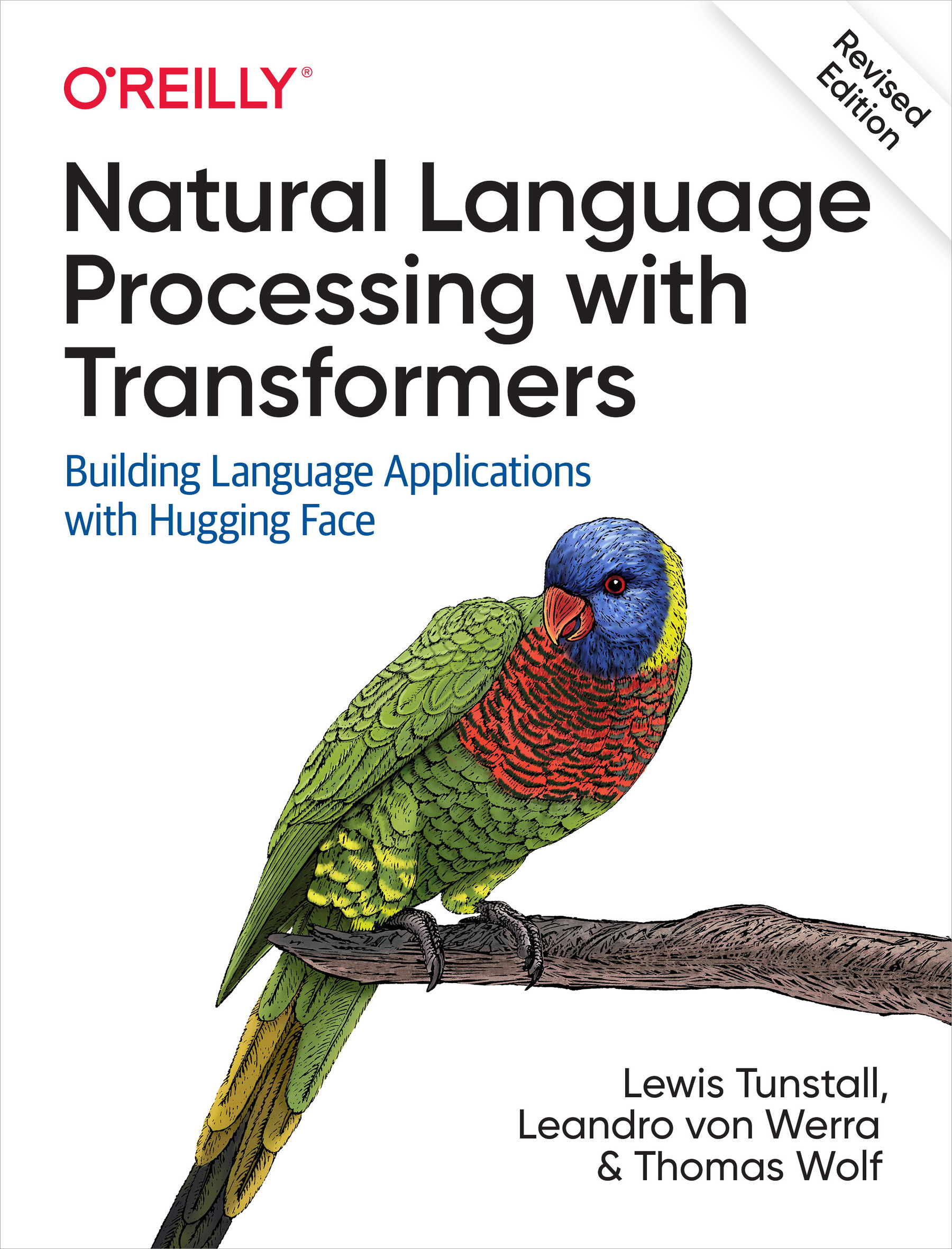
Lewis Tunstall, Leandro von Werra, Thomas Wolf · O'Reilly Media · 2022
Reviewed by Ashish Sheth · Updated April 2026
Natural Language Processing with Transformers
Building Language Applications with Hugging Face
4.6 / 5
AMAZON · 257 RATINGS
deep learning · llm
SUBJECTS
What you'll come away with
01.
How transformers actually process text, not just metaphors
02.
End-to-end Hugging Face workflows for real NLP tasks
03.
When to fine-tune vs use few-shot vs train from scratch
04.
How to handle multilingual and low-resource scenarios
05.
Evaluation patterns for QA, NER, and summarization
06.
The Hugging Face ecosystem (Datasets, Tokenizers, Accelerate)
Strengths
+Written by the team that built the Transformers library — definitive authority
+Code-first with runnable Hugging Face examples throughout
+Covers the full lifecycle: pretrain, fine-tune, evaluate, deploy
+Excellent for engineers who want to actually ship NLP features
Caveats
−Predates the LLM/GPT-4 era — emphasis is on smaller fine-tuned models
−Some library APIs have evolved since publication
−Less coverage of generative LLMs than the title implies for 2026 readers
★ 4.6 FROM 257 READERS ON AMAZON
Check Price on Amazon →
Read this if
→Engineers building text classification, NER, or QA systems with Hugging Face
→Developers who want transformer mechanics, not just LLM-as-API patterns
→ML practitioners targeting NLP roles or research
Skip this if
—Engineers who only call OpenAI/Claude APIs and don't fine-tune
—Readers focused entirely on the LLM application layer (start with AI Engineering)
—Beginners without prior deep learning experience
Head-to-head comparisons
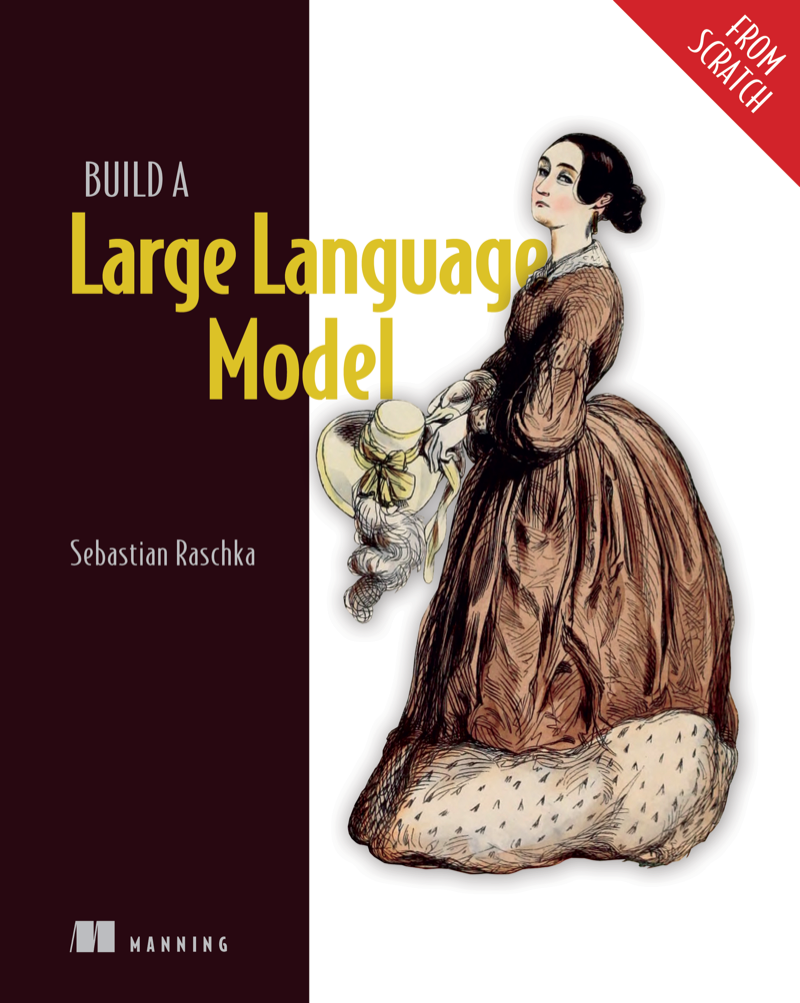
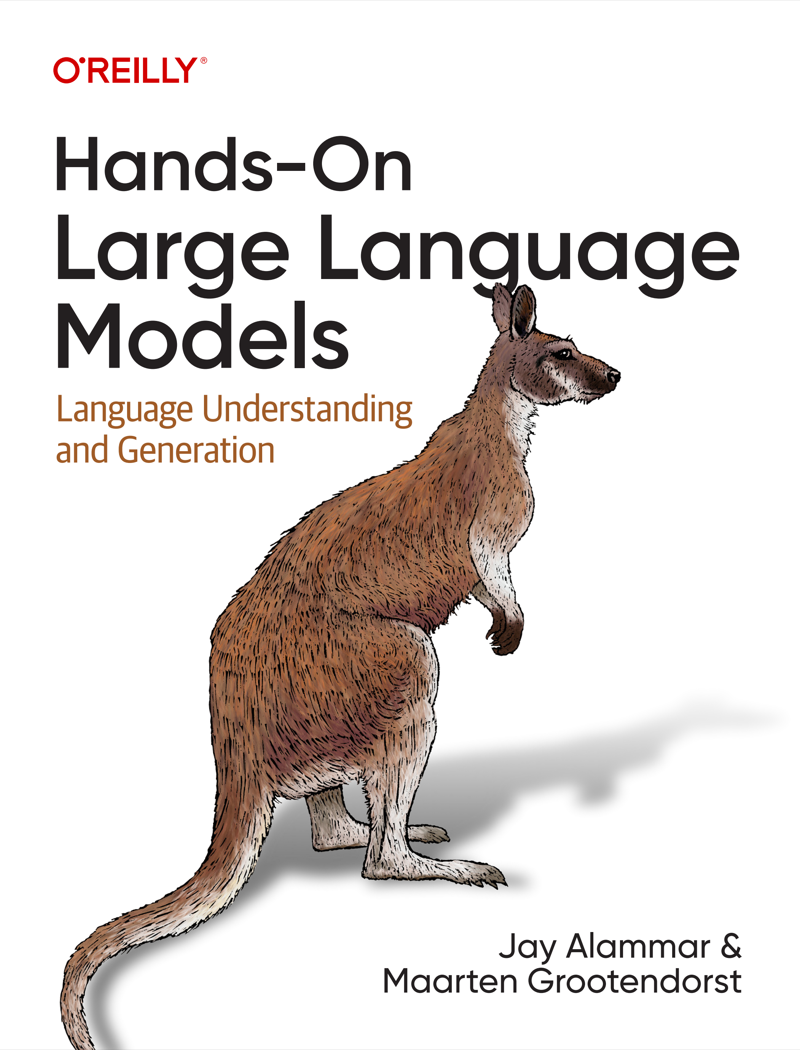
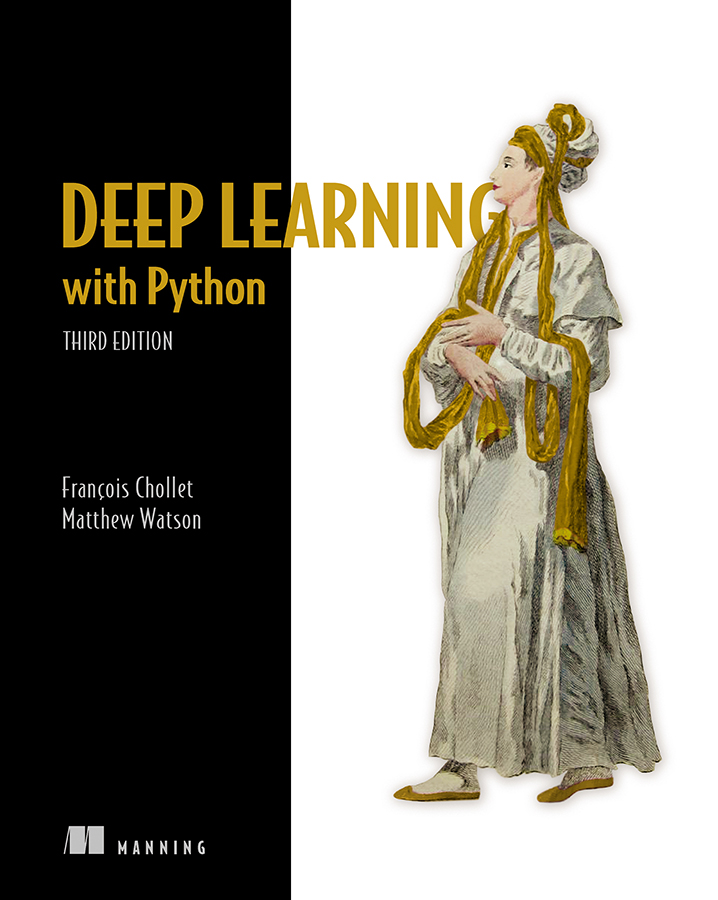
Natural Language Processing with Transformers vs Build a Large Language Model (From Scratch) → Natural Language Processing with Transformers vs Hands-On Large Language Models → Natural Language Processing with Transformers vs Deep Learning with Python → Frequently asked
Is NLP with Transformers still relevant given how fast LLMs evolved?
The transformer architecture chapters and Hugging Face workflows are still the standard. What's outdated: emphasis on BERT-era fine-tuning over GPT-style prompting. Pair with a current LLM book.
How is this different from Build a Large Language Model (From Scratch)?
Raschka builds a GPT from scratch in PyTorch for understanding. Tunstall et al. teach you to use the Hugging Face library to ship NLP features. Different goals, both useful.
Do I need to know PyTorch?
Basic PyTorch helps. Hugging Face's Trainer abstracts a lot, but you'll hit native PyTorch when fine-tuning. If you don't know it, learn the basics first.
Read this next
3 alternatives
Ready?
Check Price on Amazon →