Pages
912
Year
2011
Level
advanced
Read time
23h
Dafydd Stuttard, Marcus Pinto · Wiley · 2011
Reviewed by Ashish Sheth · Updated August 2026
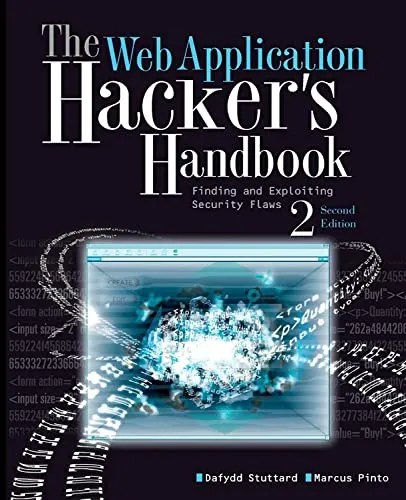
The Web Application Hacker's Handbook
Finding and Exploiting Security Flaws
4.3 / 5
AMAZON · 329 RATINGS
security
SUBJECTS
What you'll come away with
01.
A repeatable methodology for testing a web application thoroughly
02.
How attackers chain small weaknesses into a full compromise
03.
Why access-control and logic flaws matter as much as injection
04.
How to think adversarially about code you or others wrote
05.
The reasoning behind the checks that tools like Burp Suite automate
Strengths
+The most thorough offensive web-security reference in print
+Written by the creators of Burp Suite, so the methodology is battle-tested
+Explains the why behind each attack, not just the steps
+Its testing methodology still holds even as specific tech moves on
Caveats
−Published in 2011, so it predates modern single-page-app and API patterns
−Long and demanding at 912 pages; not a casual read
−No third edition, so newer client-side frameworks fall outside it
★ 4.3 FROM 329 READERS ON AMAZON
Check Price on Amazon →
Read this if
→People learning web penetration testing who want the canonical text
→Security engineers who want depth on how web attacks really work
→Developers ready to understand the attacker's full playbook
Skip this if
—Beginners who just want to defend a basic app quickly
—Readers who need current coverage of React, GraphQL, or serverless
—Anyone looking for a short, defense-first introduction
Head-to-head comparisons
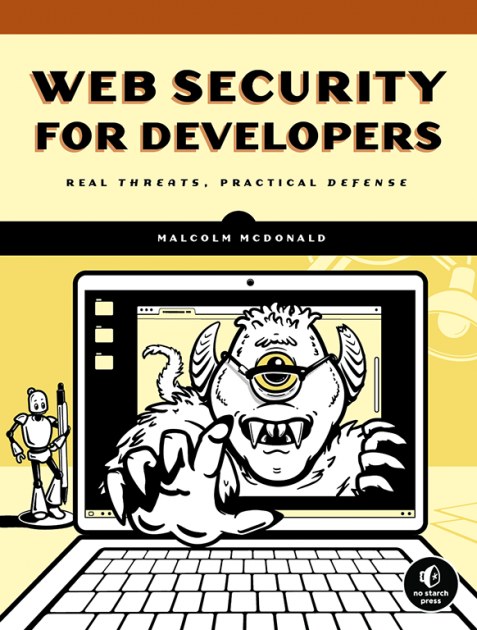
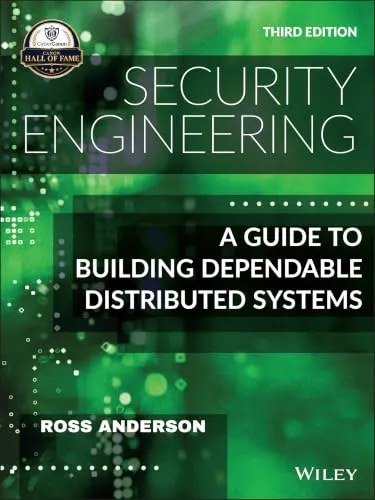
The Web Application Hacker's Handbook vs Web Security for Developers → The Web Application Hacker's Handbook vs Security Engineering → Frequently asked
Is The Web Application Hacker's Handbook still worth reading in 2026?
For the methodology, yes. It remains the most thorough guide to how web attacks work, and the testing approach still applies. The catch is age: the second edition is from 2011 and there is no newer one, so modern single-page apps, APIs, and frameworks are not covered. Pair it with PortSwigger's current online material.
Is this book for developers or penetration testers?
Primarily penetration testers, but developers gain a lot from it. Seeing exactly how an attacker maps and breaks an application changes how you write and review code. If you only want to defend your own app quickly, start with Web Security for Developers, then read this when you want the full offensive picture.
Do I need Burp Suite to get value from the book?
No, though it helps. The book was written by Burp Suite's creators and its methodology maps closely onto how the tool works, so following along with the free edition reinforces the ideas. The concepts, from mapping an app to attacking access controls, stand on their own regardless of the tools you use.
Read this next
2 alternatives
Ready?
Check Price on Amazon →