A Philosophy of Software Design versus Clean Code.
Both show up on every "best" list. They're not competitors. They're a sequence. Here's which one to read first, and when.
Reviewed by Ashish Sheth · Updated July 2026
Author
John Ousterhout
Robert C. Martin
Pages
196
464
Published
2021
2008
Publisher
Yaknyam Press
Pearson
Level
intermediate
intermediate
Amazon Rating
4.6/5 (1,320)
4.5/5 (6,607)
Goodreads Rating
4.19/5 (4,100)
4.35/5 (23,709)
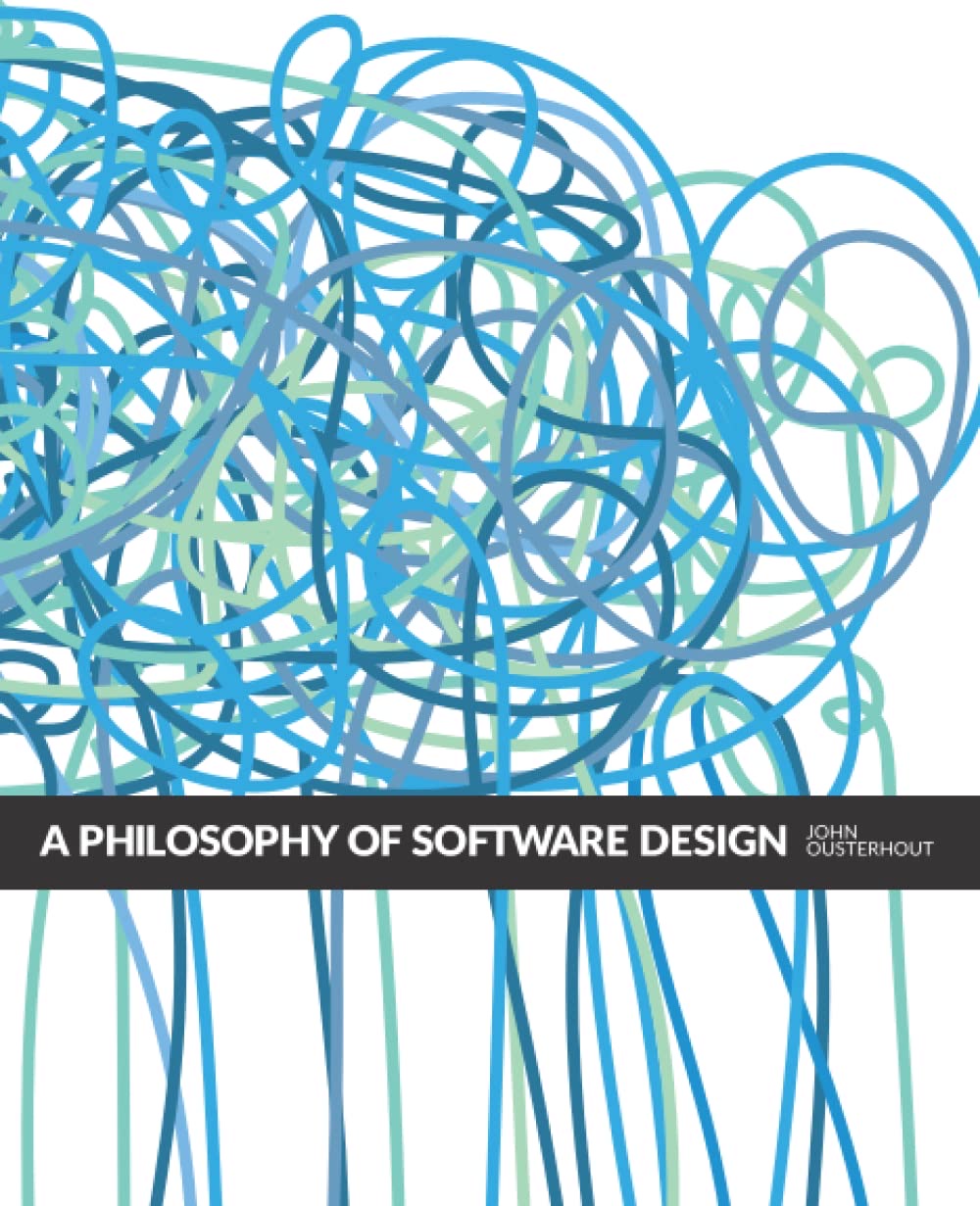
A Philosophy of Software Design
Strengths
+ Short and punchy: most engineers finish it in a long weekend
+ Reframes everyday design decisions with sharper language
+ Quietly contradicts several popular Clean Code rules with stronger arguments
+ 2nd edition adds three new chapters and tightens the original prose
Caveats
− Examples are small and educational — some readers want bigger real-world systems
− Disagrees with Robert C. Martin's Clean Code, which can be jarring if you've internalized that book
− Light on coverage of distributed systems or concurrent design
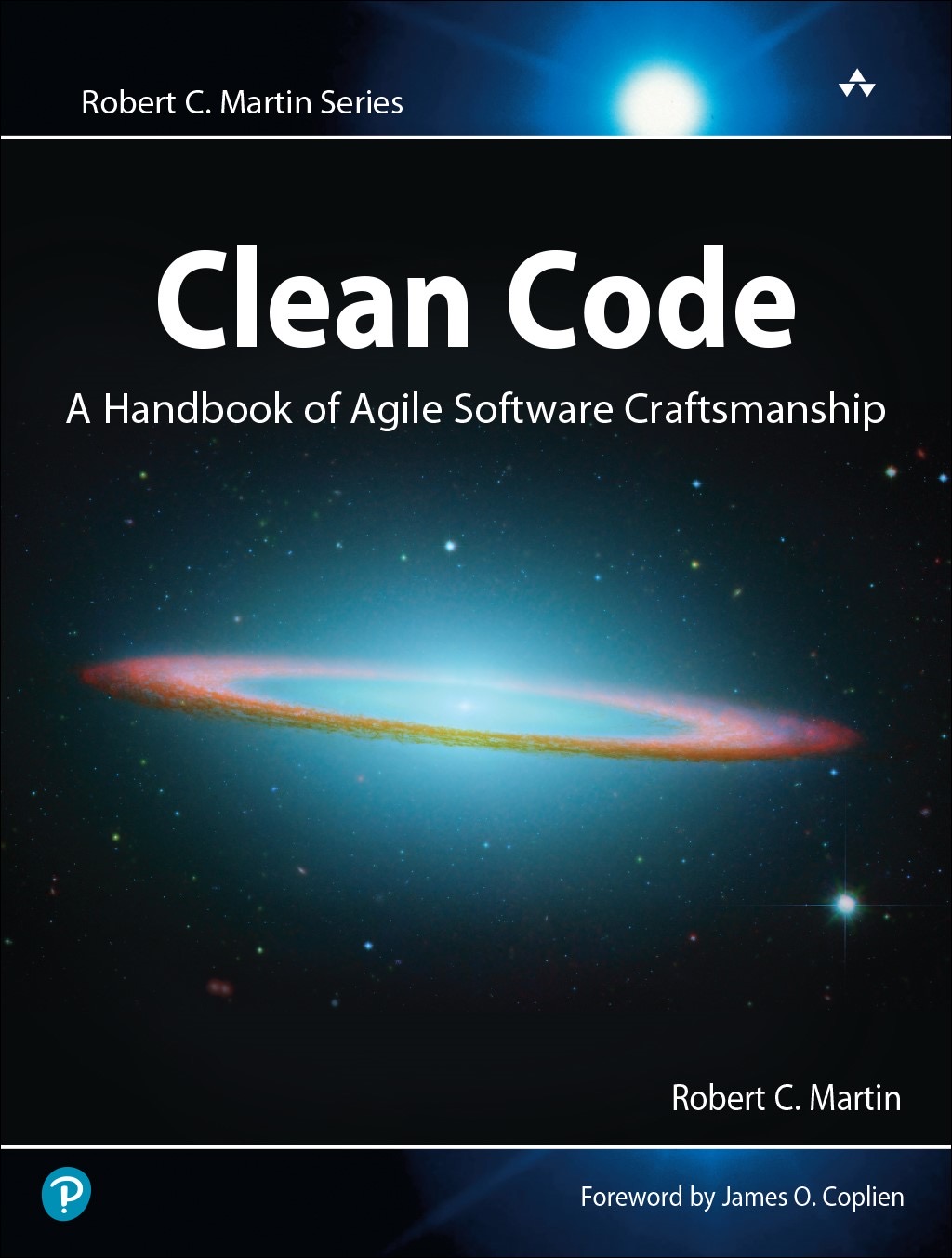
Clean Code
Strengths
+ The naming and function chapters change how you write within a week
+ Concrete before-and-after examples, not abstract theory
+ A shared team vocabulary for code review that actually sticks
+ The single most-recommended entry point into software craft
Caveats
− Java-heavy examples feel dated to readers on other stacks
− Some advice is presented as absolute rules and gets dogmatic
− The later case-study chapters drag and are often skimmed
The verdict
Choose based on your specific needs: A Philosophy of Software Design focuses on complexity as the fundamental problem of software design, while Clean Code emphasizes meaningful naming for variables, functions, and classes.
A Philosophy of Software Design
Check Price on Amazon →
Clean Code
Check Price on Amazon →
Frequently asked
Which is better, A Philosophy of Software Design or Clean Code?
Choose based on your specific needs: A Philosophy of Software Design focuses on complexity as the fundamental problem of software design, while Clean Code emphasizes meaningful naming for variables, functions, and classes.
Is A Philosophy of Software Design better than Clean Code?
They disagree on several specifics — Ousterhout argues for deeper modules and longer functions where Martin argues for shorter functions and tighter classes. Most engineers benefit from reading both, then trusting Ousterhout's framing on disagreements: it's the more rigorous of the two.
Is Clean Code still worth reading in 2026?
Yes, for the naming, function, and testing chapters, which remain the best concise treatment of readable code. Treat the harder rules as strong defaults, not laws. Most engineers still cite it as the book that first taught them craft.