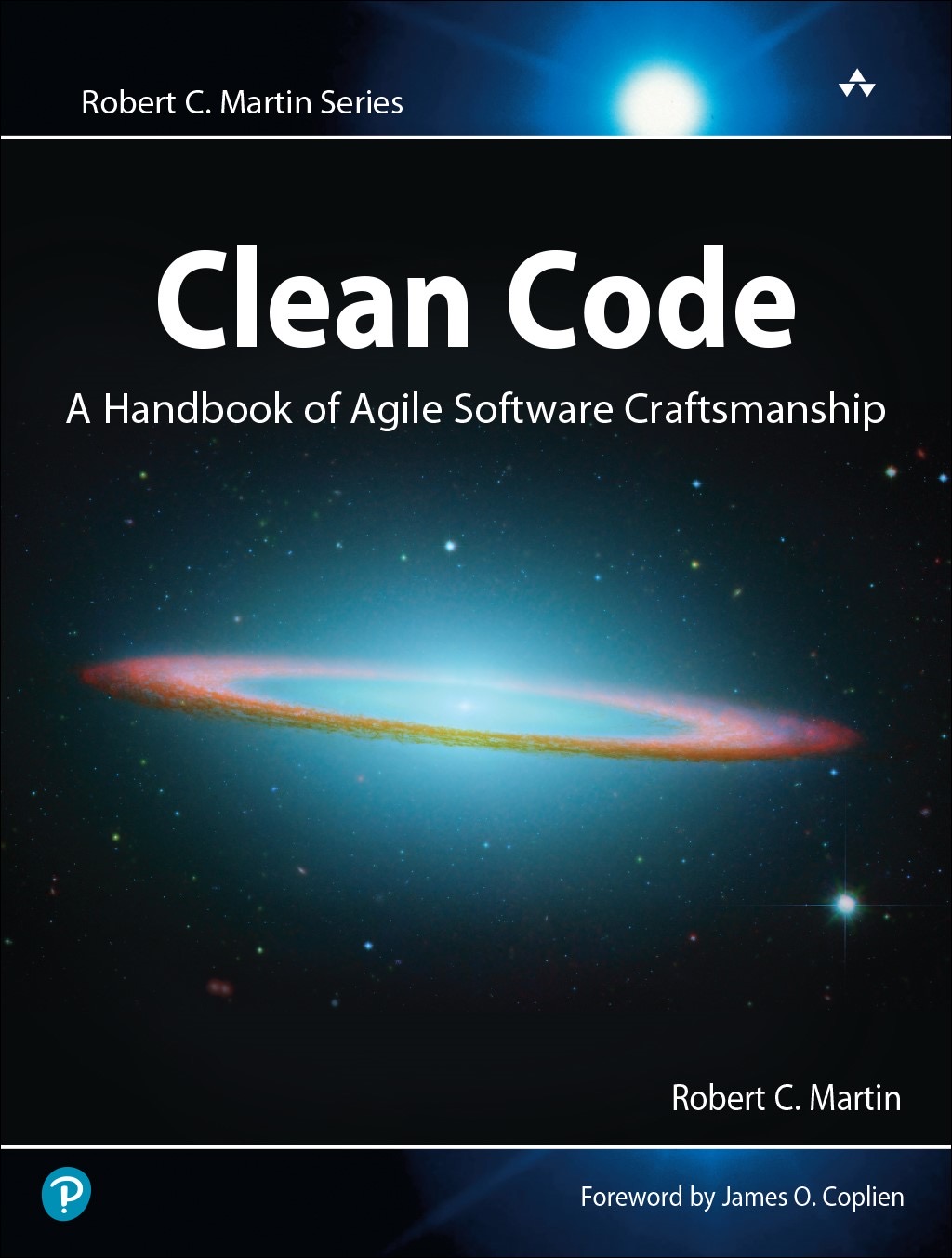
Pages
464
Year
2008
Level
intermediate
Read time
12h
Robert C. Martin · Pearson · 2008
Reviewed by Ashish Sheth · Updated July 2026
Clean Code
A Handbook of Agile Software Craftsmanship
4.5 / 5
AMAZON · 6.6K RATINGS
software craft
SUBJECTS
What you'll come away with
01.
A concrete checklist of what makes code readable at the function level
02.
Why naming is the highest-leverage habit in daily coding
03.
How to shrink functions until each does exactly one thing
04.
A shared vocabulary of code smells for code review
05.
Why tests are first-class code that deserve the same care
Strengths
+The naming and function chapters change how you write within a week
+Concrete before-and-after examples, not abstract theory
+A shared team vocabulary for code review that actually sticks
+The single most-recommended entry point into software craft
Caveats
−Java-heavy examples feel dated to readers on other stacks
−Some advice is presented as absolute rules and gets dogmatic
−The later case-study chapters drag and are often skimmed
★ 4.5 FROM 6.6K READERS ON AMAZON
Check Price on Amazon →
Read this if
→Junior and mid-level engineers building craft fundamentals
→Teams that want a common standard for readable code
→Self-taught developers who never had these habits modeled
Skip this if
—Senior engineers who already internalized these habits years ago
—Readers who want language-agnostic architecture (read Clean Architecture)
—Anyone allergic to rules stated as absolutes
Head-to-head comparisons
Clean Code vs Refactoring → Clean Code vs A Philosophy of Software Design → Clean Code vs The Pragmatic Programmer → Clean Code vs Working Effectively with Legacy Code → Clean Code vs Domain-Driven Design → Frequently asked
Is Clean Code still worth reading in 2026?
Yes, for the naming, function, and testing chapters, which remain the best concise treatment of readable code. Treat the harder rules as strong defaults, not laws. Most engineers still cite it as the book that first taught them craft.
Is Clean Code good for beginners?
It is best once you have written real code that others had to maintain. Complete beginners can read it, but the lessons land harder after you have felt the pain of a messy codebase. Pair it with daily practice, not passive reading.
Clean Code or Refactoring, which should I read first?
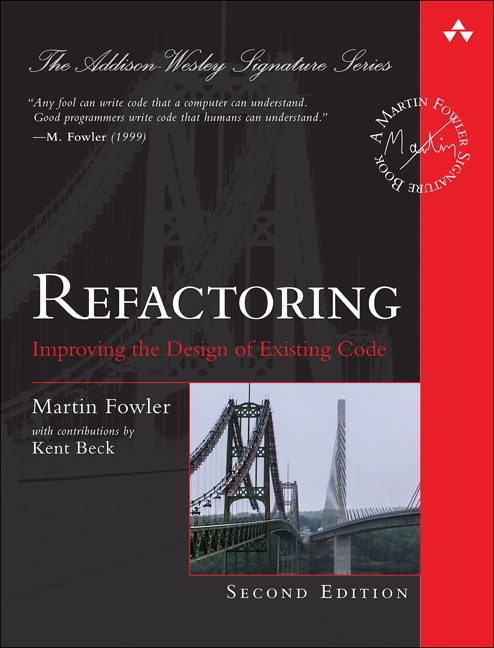
Read Clean Code first for what good code looks like, then Refactoring for the mechanical moves to get there safely. Clean Code builds judgment; Fowler's Refactoring gives you the named, test-backed steps to apply it.
Read this next
5 alternatives
Ready?
Check Price on Amazon →