Clean Code versus The Pragmatic Programmer.
Both show up on every "best" list. They're not competitors. They're a sequence. Here's which one to read first, and when.
Reviewed by Ashish Sheth · Updated July 2026
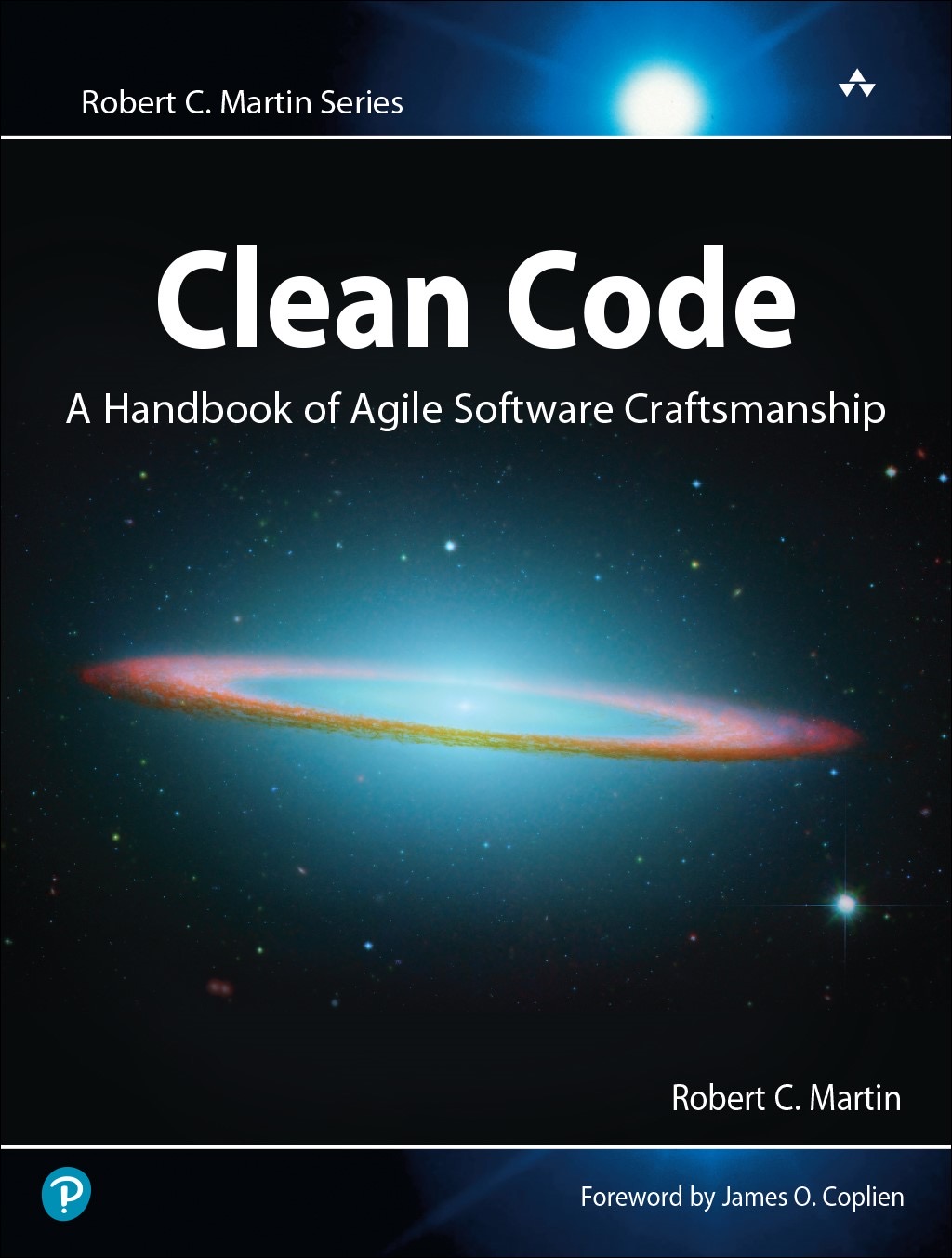
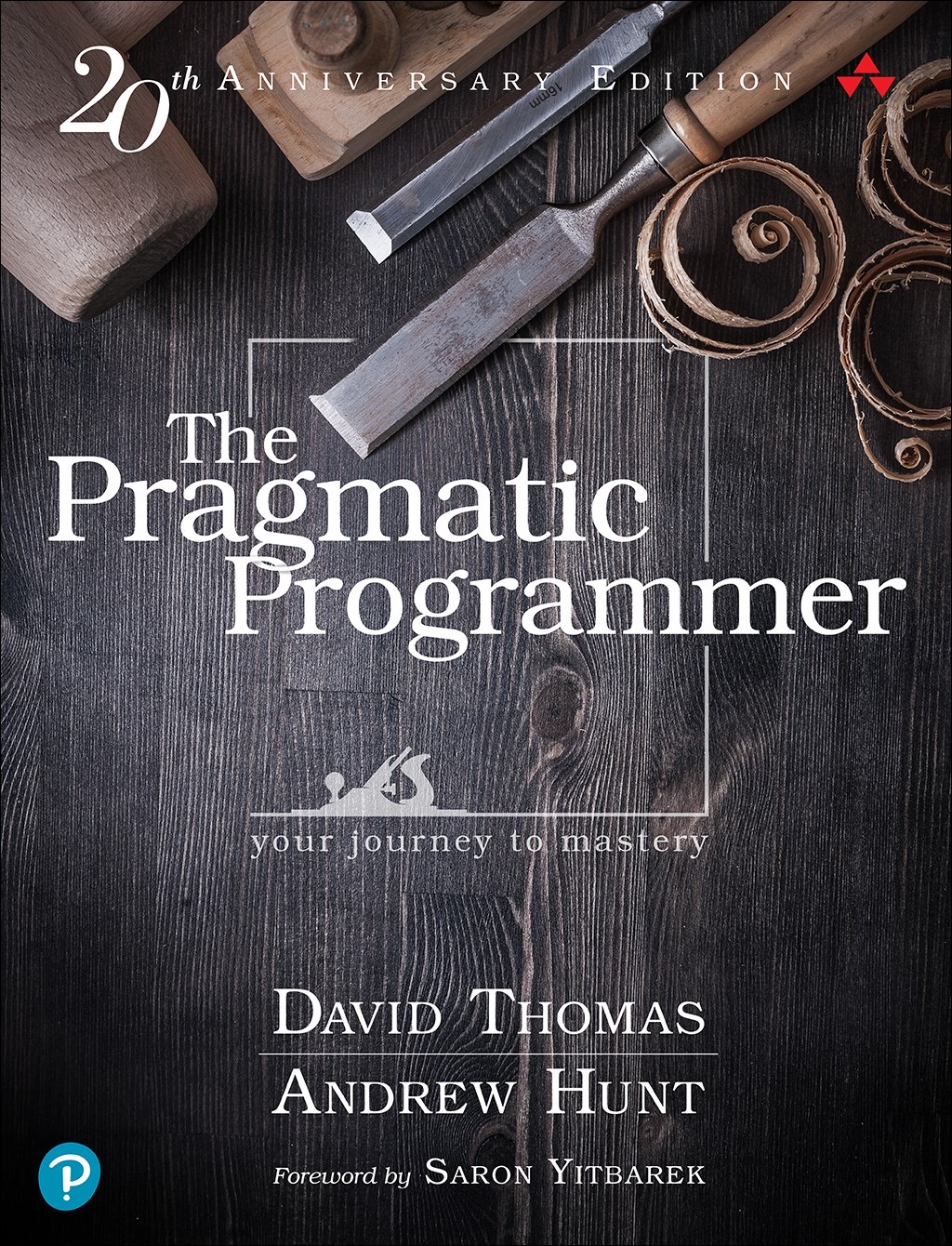
Author
Robert C. Martin
David Thomas, Andrew Hunt
Pages
464
352
Published
2008
2019
Publisher
Pearson
Addison-Wesley Professional
Level
intermediate
beginner to intermediate
Amazon Rating
4.5/5 (6,607)
4.7/5 (4,823)
Goodreads Rating
4.35/5 (23,709)
4.33/5 (24,500)
Clean Code
Strengths
+ The naming and function chapters change how you write within a week
+ Concrete before-and-after examples, not abstract theory
+ A shared team vocabulary for code review that actually sticks
+ The single most-recommended entry point into software craft
Caveats
− Java-heavy examples feel dated to readers on other stacks
− Some advice is presented as absolute rules and gets dogmatic
− The later case-study chapters drag and are often skimmed
The Pragmatic Programmer
Strengths
+ Timeless principles that survived 20 years of churn in tools and languages
+ Short, self-contained tips you can dip into without reading cover to cover
+ 20th anniversary edition refreshes outdated examples while keeping the spine intact
+ Excellent for self-taught engineers filling in unstated industry expectations
Caveats
− Some chapters read as opinionated essays rather than rigorous arguments
− Senior engineers may find half the tips already internalized
− A few examples still feel rooted in the 1999 worldview despite the refresh
The verdict
Read The Pragmatic Programmer first to build foundations, then move to Clean Code for advanced concepts.
Clean Code
Check Price on Amazon →
The Pragmatic Programmer
Check Price on Amazon →
Frequently asked
Which is better, Clean Code or The Pragmatic Programmer?
Read The Pragmatic Programmer first to build foundations, then move to Clean Code for advanced concepts.
Is Clean Code still worth reading in 2026?
Yes, for the naming, function, and testing chapters, which remain the best concise treatment of readable code. Treat the harder rules as strong defaults, not laws. Most engineers still cite it as the book that first taught them craft.
Should I read the original or the 20th Anniversary Edition of The Pragmatic Programmer?
Read the 20th Anniversary Edition. It's the same spine of ideas but with refreshed examples and several new sections (concurrency, agility, ethics). The original is a historical curio at this point.