Clean Code versus Refactoring.
Both show up on every "best" list. They're not competitors. They're a sequence. Here's which one to read first, and when.
Reviewed by Ashish Sheth · Updated July 2026
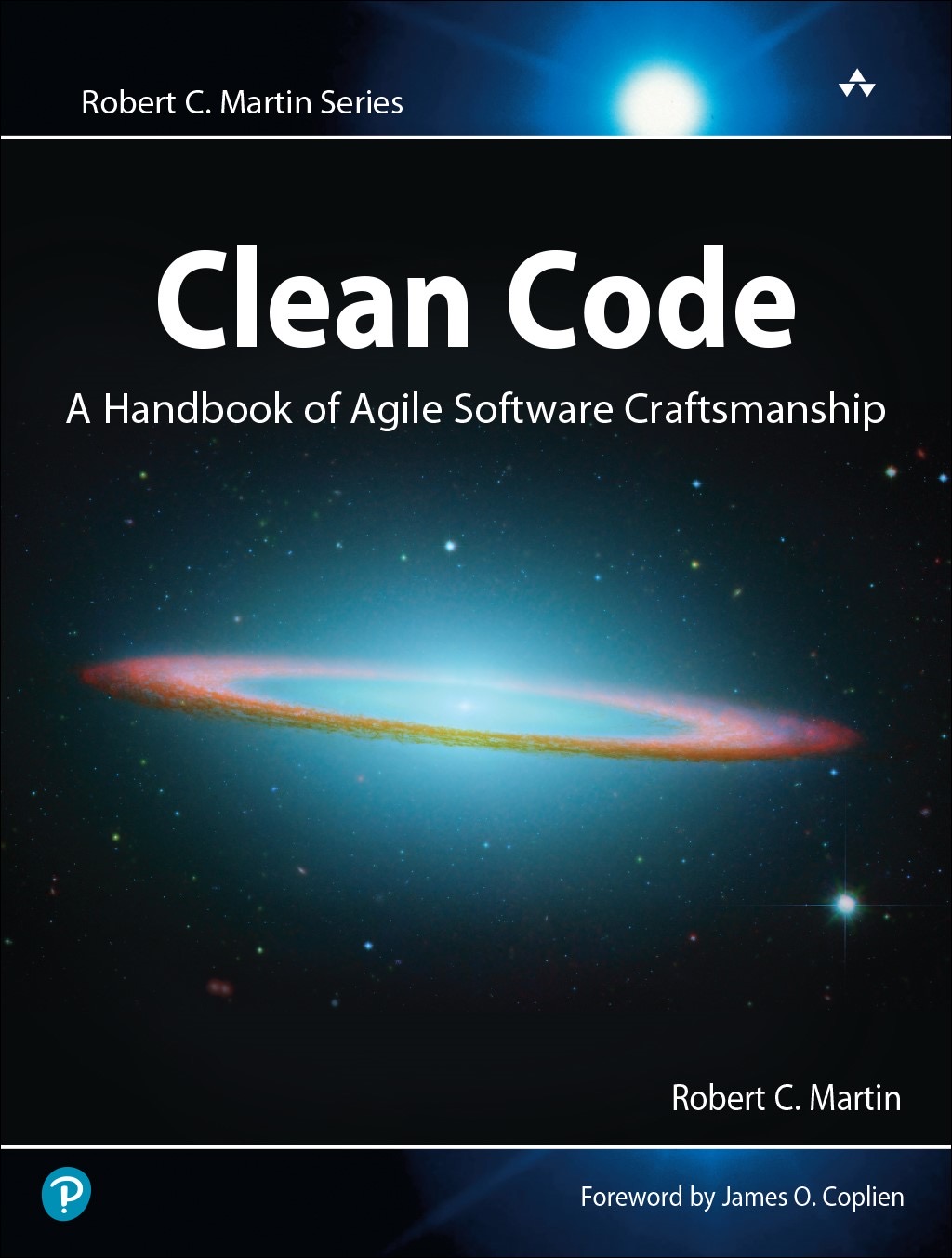
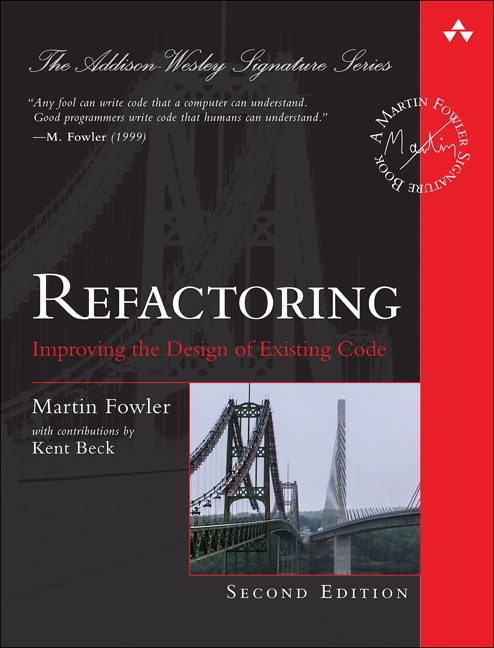
Author
Robert C. Martin
Martin Fowler
Pages
464
448
Published
2008
2019
Publisher
Pearson
Addison-Wesley
Level
intermediate
intermediate
Amazon Rating
4.5/5 (6,607)
4.7/5 (1,199)
Goodreads Rating
4.35/5 (23,709)
4.24/5 (8,860)
Clean Code
Strengths
+ The naming and function chapters change how you write within a week
+ Concrete before-and-after examples, not abstract theory
+ A shared team vocabulary for code review that actually sticks
+ The single most-recommended entry point into software craft
Caveats
− Java-heavy examples feel dated to readers on other stacks
− Some advice is presented as absolute rules and gets dogmatic
− The later case-study chapters drag and are often skimmed
Refactoring
Strengths
+ The definitive catalog: a reference you return to for years
+ Second edition uses JavaScript, widening its reach
+ Each refactoring has clear mechanics you can follow step by step
+ Reframes refactoring as economics, not vanity cleanup
Caveats
− Reads like a reference, not a cover-to-cover narrative
− Some find the JavaScript examples less rigorous than the first edition Java
− The catalog format can feel repetitive read linearly
The verdict
Choose based on your specific needs: Clean Code focuses on meaningful naming for variables, functions, and classes, while Refactoring emphasizes what refactoring is and why it is an economic activity.
Clean Code
Check Price on Amazon →
Refactoring
Check Price on Amazon →
Frequently asked
Which is better, Clean Code or Refactoring?
Choose based on your specific needs: Clean Code focuses on meaningful naming for variables, functions, and classes, while Refactoring emphasizes what refactoring is and why it is an economic activity.
Is Clean Code still worth reading in 2026?
Yes, for the naming, function, and testing chapters, which remain the best concise treatment of readable code. Treat the harder rules as strong defaults, not laws. Most engineers still cite it as the book that first taught them craft.
Is the 2nd edition of Refactoring worth it over the 1st?
Yes for most readers. The second edition modernizes examples to JavaScript, refreshes the catalog, and reflects two more decades of practice. Keep the first edition only if you specifically want the original Java mechanics. The core principles are unchanged.