Clean Code versus Working Effectively with Legacy Code.
Both show up on every "best" list. They're not competitors. They're a sequence. Here's which one to read first, and when.
Reviewed by Ashish Sheth · Updated July 2026
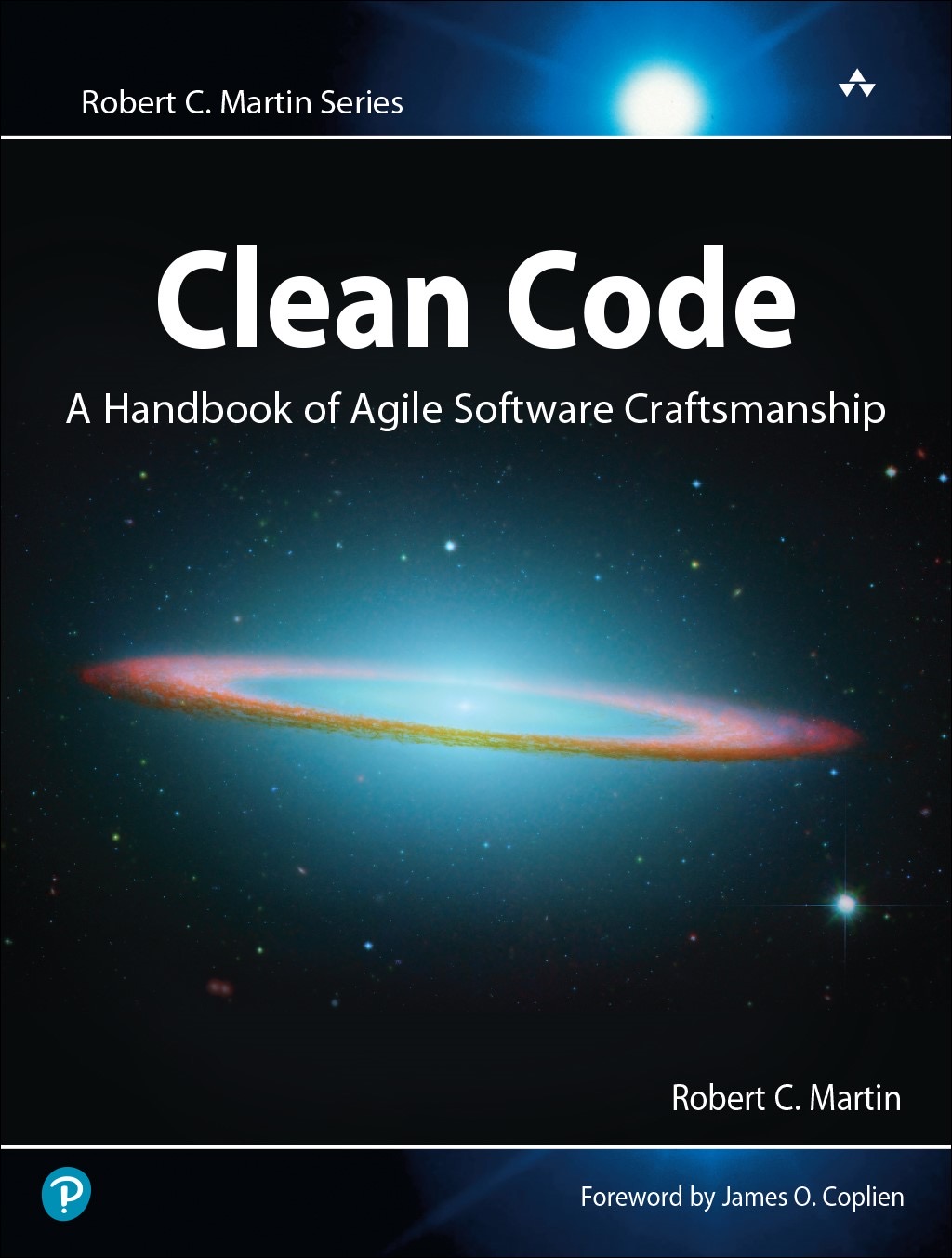
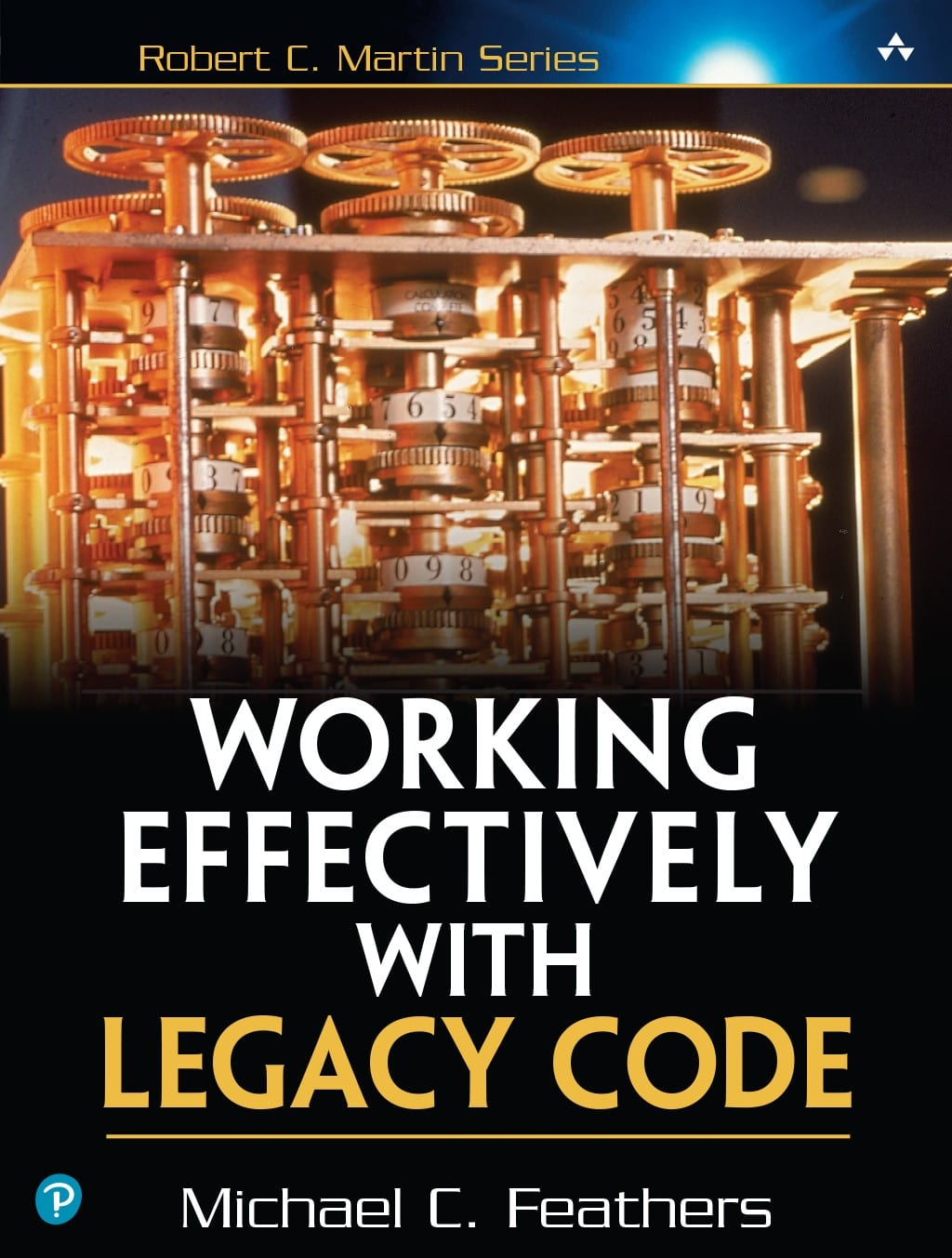
Author
Robert C. Martin
Michael C. Feathers
Pages
464
456
Published
2008
2004
Publisher
Pearson
Prentice Hall
Level
intermediate
intermediate
Amazon Rating
4.5/5 (6,607)
4.2/5 (702)
Goodreads Rating
4.35/5 (23,709)
4.14/5 (4,682)
Clean Code
Strengths
+ The naming and function chapters change how you write within a week
+ Concrete before-and-after examples, not abstract theory
+ A shared team vocabulary for code review that actually sticks
+ The single most-recommended entry point into software craft
Caveats
− Java-heavy examples feel dated to readers on other stacks
− Some advice is presented as absolute rules and gets dogmatic
− The later case-study chapters drag and are often skimmed
Working Effectively with Legacy Code
Strengths
+ The single most recommended book for taming legacy systems
+ Dozens of concrete, named dependency-breaking techniques
+ Its definition of legacy code reframed how teams talk about it
+ Techniques port across languages even where examples do not
Caveats
− Examples are in older Java, C++, and C
− Dense and reference-like rather than a light read
− Predates modern test tooling, so some mechanics feel dated
The verdict
Clean Code is the stronger pick overall, but Working Effectively with Legacy Code may suit you better if you're a developers stuck maintaining large untested codebases.
Clean Code
Check Price on Amazon →
Working Effectively with Legacy Code
Check Price on Amazon →
Frequently asked
Which is better, Clean Code or Working Effectively with Legacy Code?
Clean Code is the stronger pick overall, but Working Effectively with Legacy Code may suit you better if you're a developers stuck maintaining large untested codebases.
Is Clean Code still worth reading in 2026?
Yes, for the naming, function, and testing chapters, which remain the best concise treatment of readable code. Treat the harder rules as strong defaults, not laws. Most engineers still cite it as the book that first taught them craft.
Is Working Effectively with Legacy Code still relevant in 2026?
Yes. Most engineers spend more time changing existing code than writing new code, and the dependency-breaking techniques here are language-timeless. The examples use older Java and C++, but readers consistently say the seam and testing ideas outlast the syntax. Around 4,600 Goodreads readers rate it 4.14.