Pages
456
Year
2004
Level
intermediate
Read time
12h
Michael C. Feathers · Prentice Hall · 2004
Reviewed by Ashish Sheth · Updated July 2026
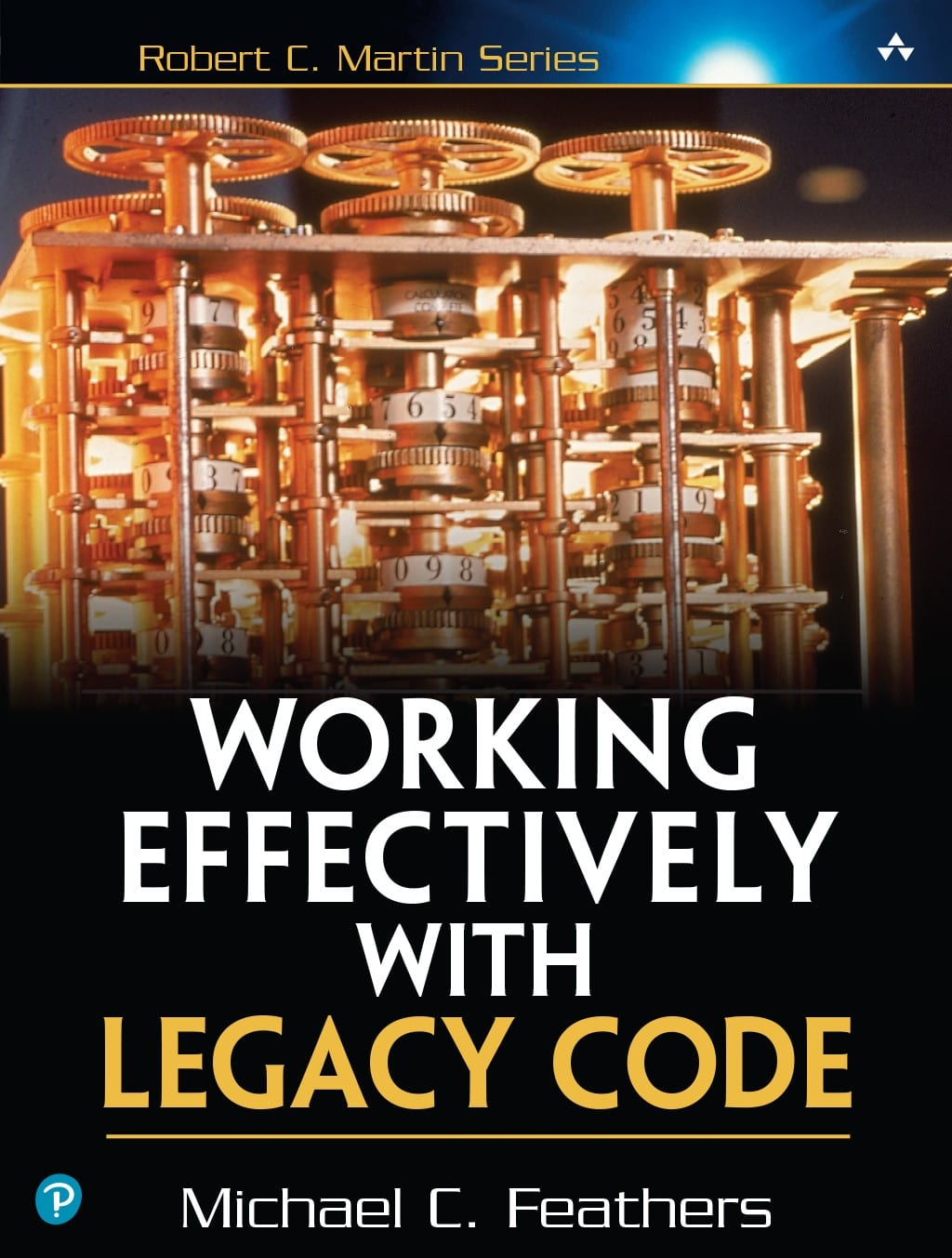
Working Effectively with Legacy Code
4.2 / 5
AMAZON · 702 RATINGS
software craft
SUBJECTS
What you'll come away with
01.
Why untested code is risky to change, and how to make it safe
02.
How to find seams where you can insert tests
03.
A repeatable algorithm for changing legacy code
04.
How characterization tests pin down existing behavior
05.
Techniques to break dependencies without a big rewrite
Strengths
+The single most recommended book for taming legacy systems
+Dozens of concrete, named dependency-breaking techniques
+Its definition of legacy code reframed how teams talk about it
+Techniques port across languages even where examples do not
Caveats
−Examples are in older Java, C++, and C
−Dense and reference-like rather than a light read
−Predates modern test tooling, so some mechanics feel dated
★ 4.2 FROM 702 READERS ON AMAZON
Check Price on Amazon →
Read this if
→Developers maintaining code that has no tests
→Engineers who want to refactor safely under real deadlines
→Anyone who has been afraid to touch a critical file
Skip this if
—Beginners who have not yet written much code
—Readers wanting a modern, language-specific testing tutorial
—Teams working only in fresh greenfield projects
Head-to-head comparisons
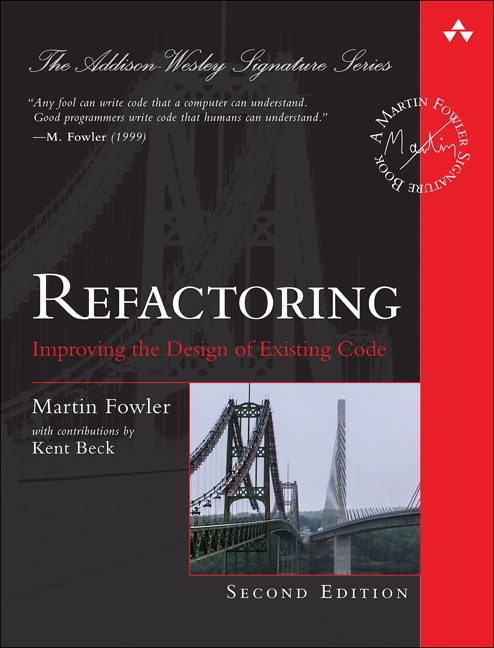
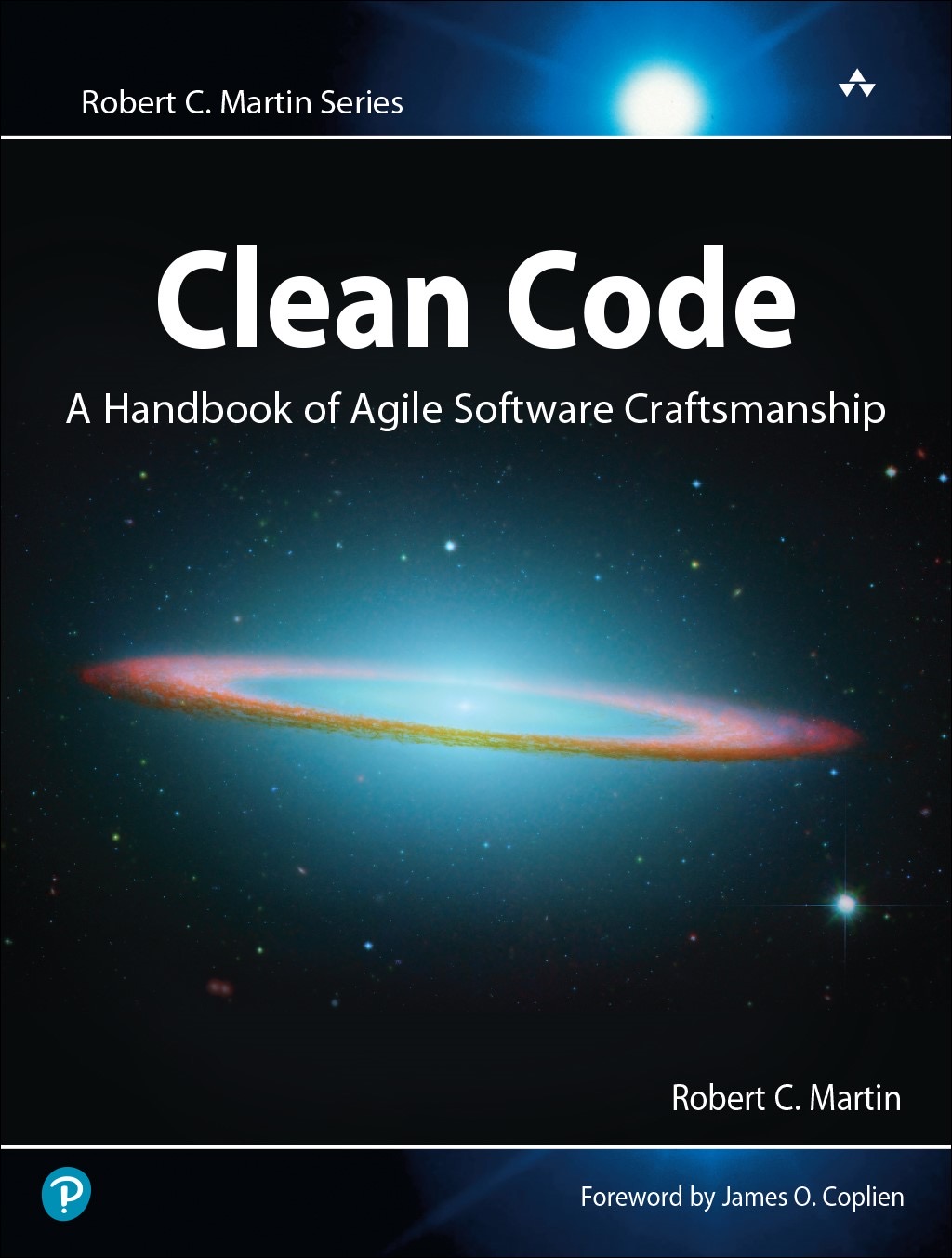
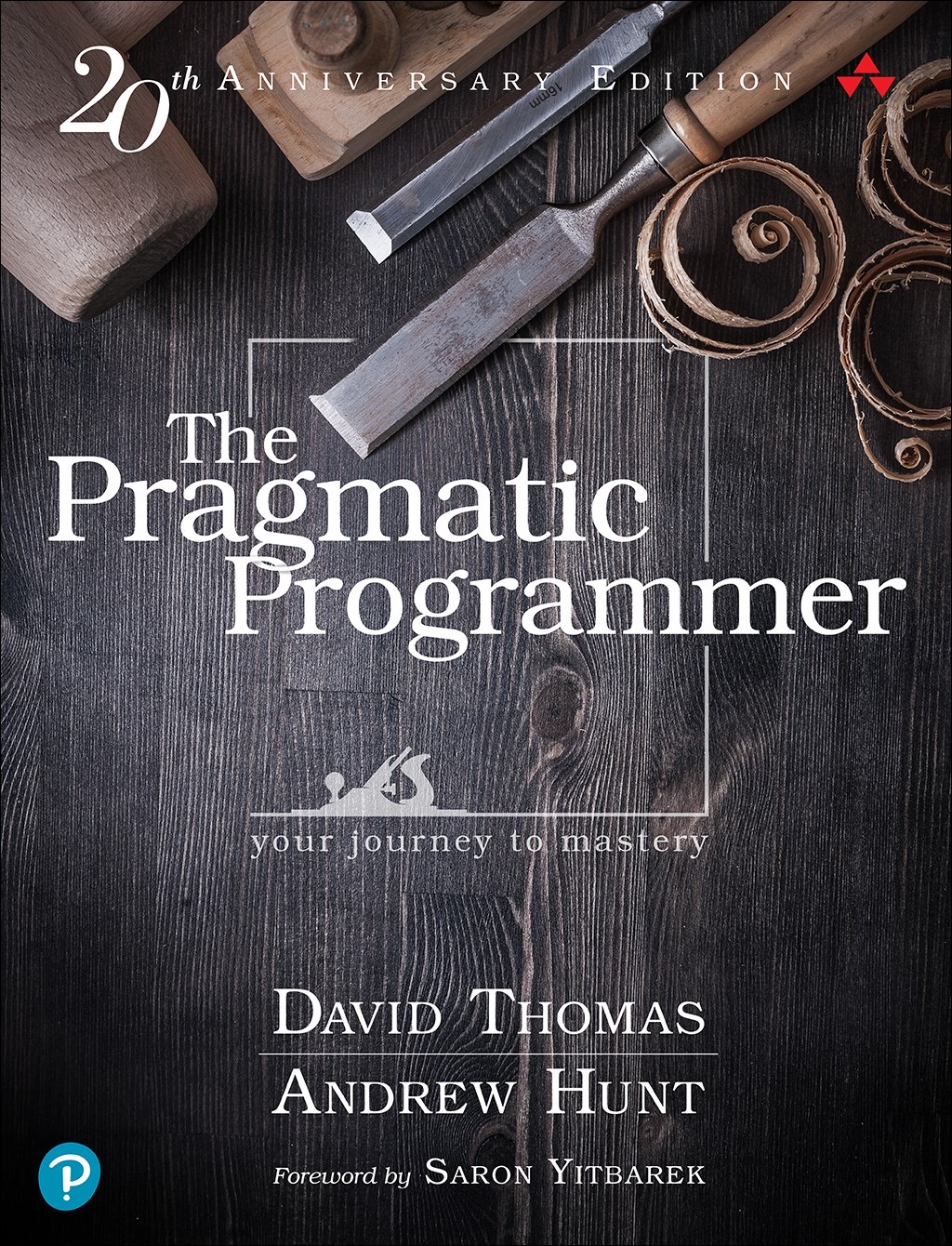
Working Effectively with Legacy Code vs The Pragmatic Programmer → Working Effectively with Legacy Code vs Clean Code → Working Effectively with Legacy Code vs Refactoring → Frequently asked
Is Working Effectively with Legacy Code still relevant in 2026?
Yes. Most engineers spend more time changing existing code than writing new code, and the dependency-breaking techniques here are language-timeless. The examples use older Java and C++, but readers consistently say the seam and testing ideas outlast the syntax. Around 4,600 Goodreads readers rate it 4.14.
Should I read Refactoring or Working Effectively with Legacy Code first?
Read Refactoring first. It teaches the safe transformations on code that already has tests. Feathers then shows how to get untested, tangled code safe enough to refactor at all. Together they cover both the clean-code moves and the messy real-world starting point most developers actually face.
Do the dated code examples make the book less useful?
Not really. The examples predate modern test frameworks, but the core techniques, finding seams, breaking dependencies, and writing characterization tests, translate to any language. Readers working in Python, JavaScript, or Go regularly apply the same moves to their own untested code.
Read this next
3 alternatives
Ready?
Check Price on Amazon →