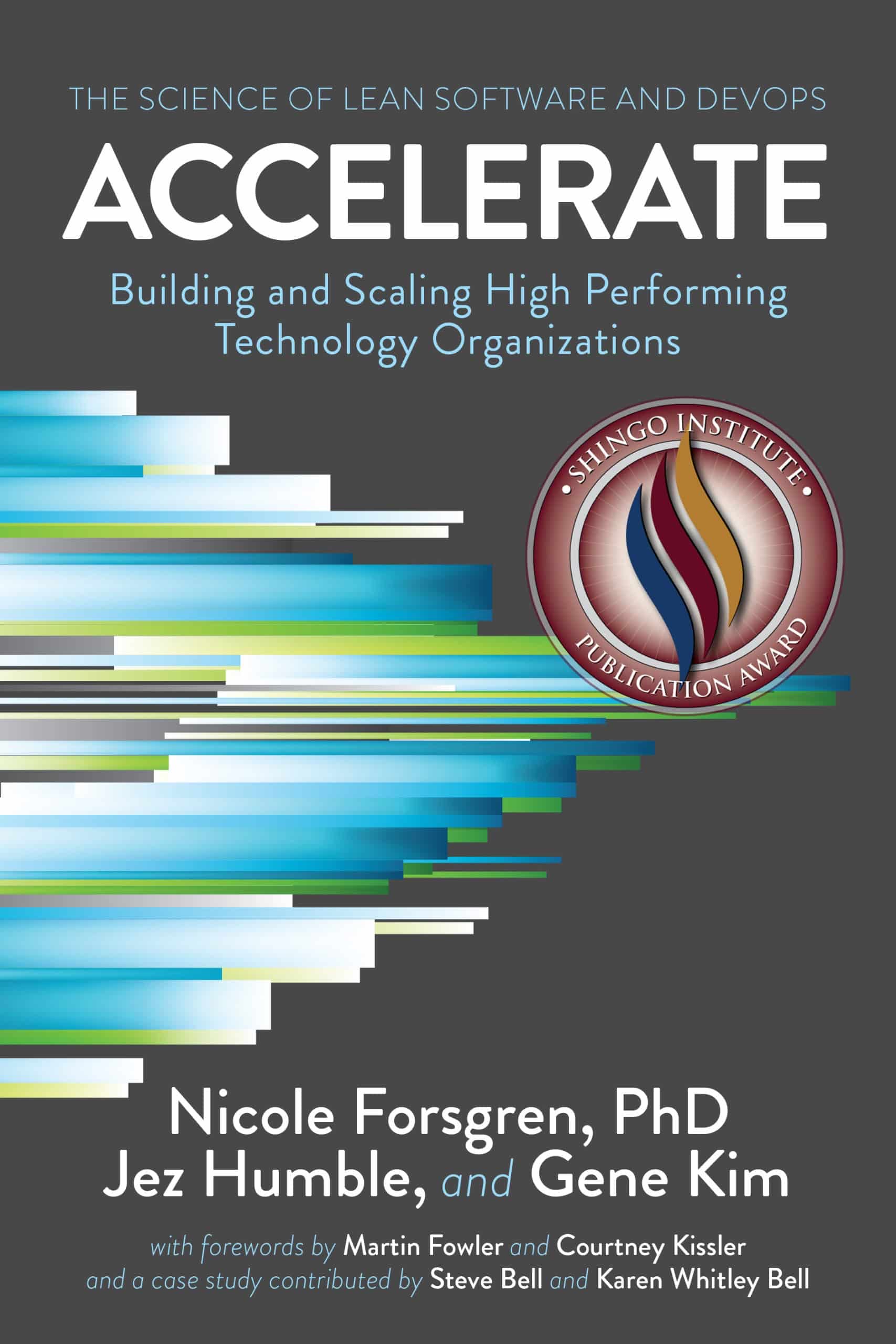
Accelerate versus Observability Engineering.
Both show up on every "best" list. They're not competitors. They're a sequence. Here's which one to read first, and when.
Reviewed by Ashish Sheth · Updated July 2026
Option B
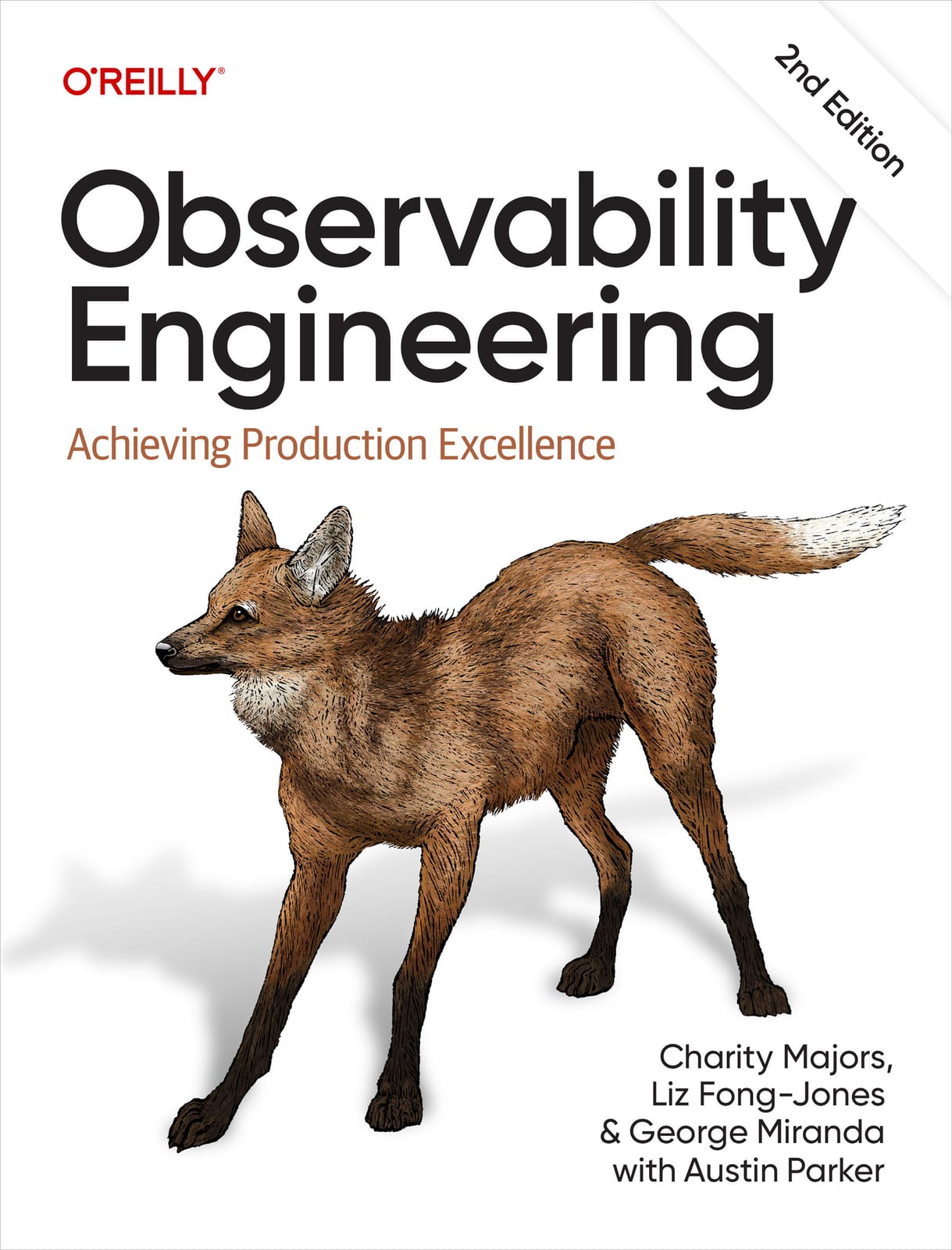
Observability Engineering
Charity Majors, Liz Fong-Jones, and George Miranda · 2026
READ FULL REVIEW →
Author
Nicole Forsgren, Jez Humble, Gene Kim
Charity Majors, Liz Fong-Jones, and George Miranda
Pages
288
318
Published
2018
2026
Publisher
IT Revolution Press
O'Reilly Media
Level
intermediate
intermediate
Amazon Rating
4.4/5 (3,400)
4.3/5 (221)
Goodreads Rating
4.05/5 (8,250)
3.72/5 (327)
Accelerate
Strengths
+ Rigorous research, not opinion, behind every claim
+ Short and focused compared with most DevOps books
+ The DORA metrics gave the industry a shared scorecard
+ Ammunition for engineers making the case to leadership
Caveats
− Roughly the first half reads like a methods defense
− Light on step-by-step implementation detail
− Some findings now feel like accepted common knowledge
Observability Engineering
Strengths
+ A clear articulation of what observability actually means
+ Strong on the why: structured events and high cardinality
+ Written by practitioners who helped define the field at Honeycomb
+ A good bridge from traditional monitoring to modern practice
Caveats
− Some readers find it leans toward Honeycomb's worldview and product
− Lighter on hands-on, tool-agnostic implementation than expected
− Repetitive in places, with the core ideas stated several times
The verdict
Accelerate is the stronger pick overall, but Observability Engineering may suit you better if you're a SREs and platform engineers running production systems.
Accelerate
Check Price on Amazon →
Observability Engineering
Check Price on Amazon →
Frequently asked
Which is better, Accelerate or Observability Engineering?
Accelerate is the stronger pick overall, but Observability Engineering may suit you better if you're a SREs and platform engineers running production systems.
Is Accelerate still relevant in 2026?
Yes. The four DORA metrics it introduced are now an industry standard for measuring delivery, and the finding that speed and stability rise together still guides teams. It is short, evidence-based, and remains the reference for what actually improves performance.
What is the difference between observability and monitoring?
Monitoring watches for known failure modes with predefined metrics and dashboards. Observability, as the book frames it, lets you ask new questions about your system from rich, high-cardinality event data, so you can debug problems you never predicted. That distinction is the book's central theme.