Pages
318
Year
2026
Level
intermediate
Read time
8h
Charity Majors, Liz Fong-Jones, and George Miranda · O'Reilly Media · 2026
Reviewed by Ashish Sheth · Updated July 2026
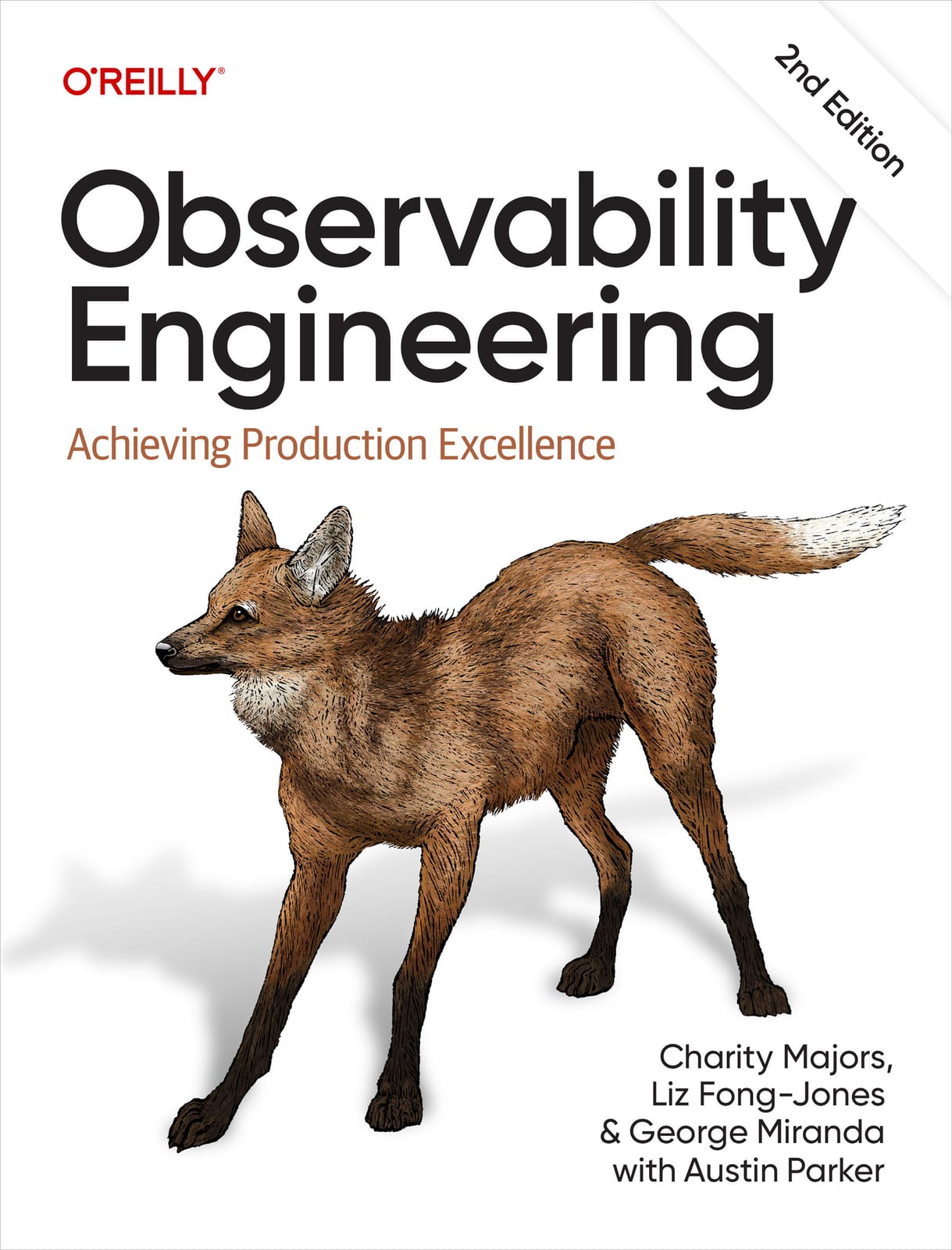
Observability Engineering
Achieving Production Excellence
4.3 / 5
AMAZON · 221 RATINGS
engineering practices
SUBJECTS
What you'll come away with
01.
How observability differs from metrics-and-dashboards monitoring
02.
Why high-cardinality, structured events answer questions dashboards cannot
03.
How to debug unknown-unknowns in production
04.
How to alert on user-facing symptoms with SLOs instead of noisy thresholds
05.
How to grow an observability culture, not just install a tool
Strengths
+A clear articulation of what observability actually means
+Strong on the why: structured events and high cardinality
+Written by practitioners who helped define the field at Honeycomb
+A good bridge from traditional monitoring to modern practice
Caveats
−Some readers find it leans toward Honeycomb's worldview and product
−Lighter on hands-on, tool-agnostic implementation than expected
−Repetitive in places, with the core ideas stated several times
★ 4.3 FROM 221 READERS ON AMAZON
Check Price on Amazon →
Read this if
→SREs and platform engineers responsible for production reliability
→Backend engineers who carry a pager for their own services
→Teams whose dashboards keep failing to explain new outages
Skip this if
—Engineers who only need a quick setup guide for a specific tool
—Readers wanting deep vendor-neutral implementation detail for every stack
Head-to-head comparisons
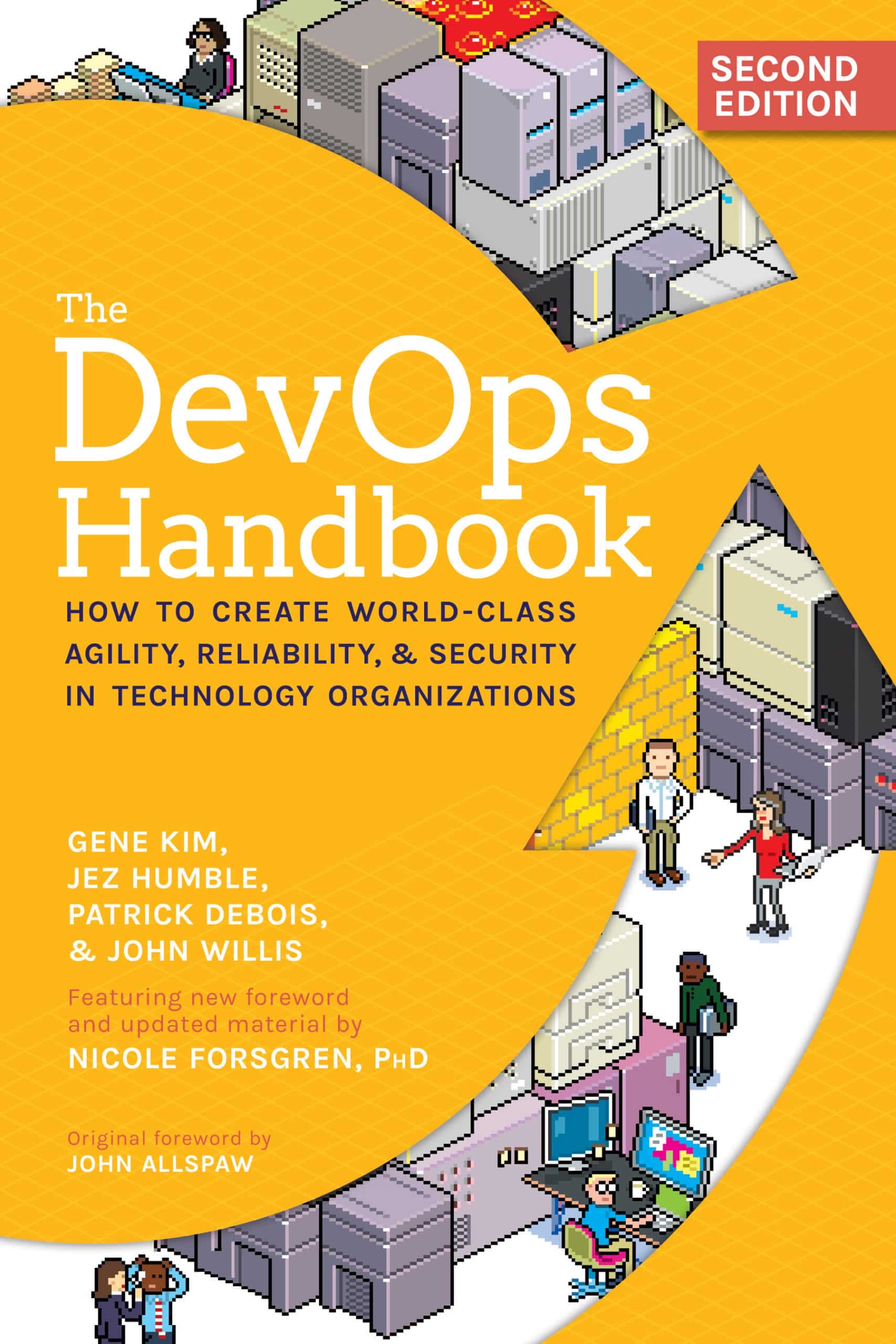
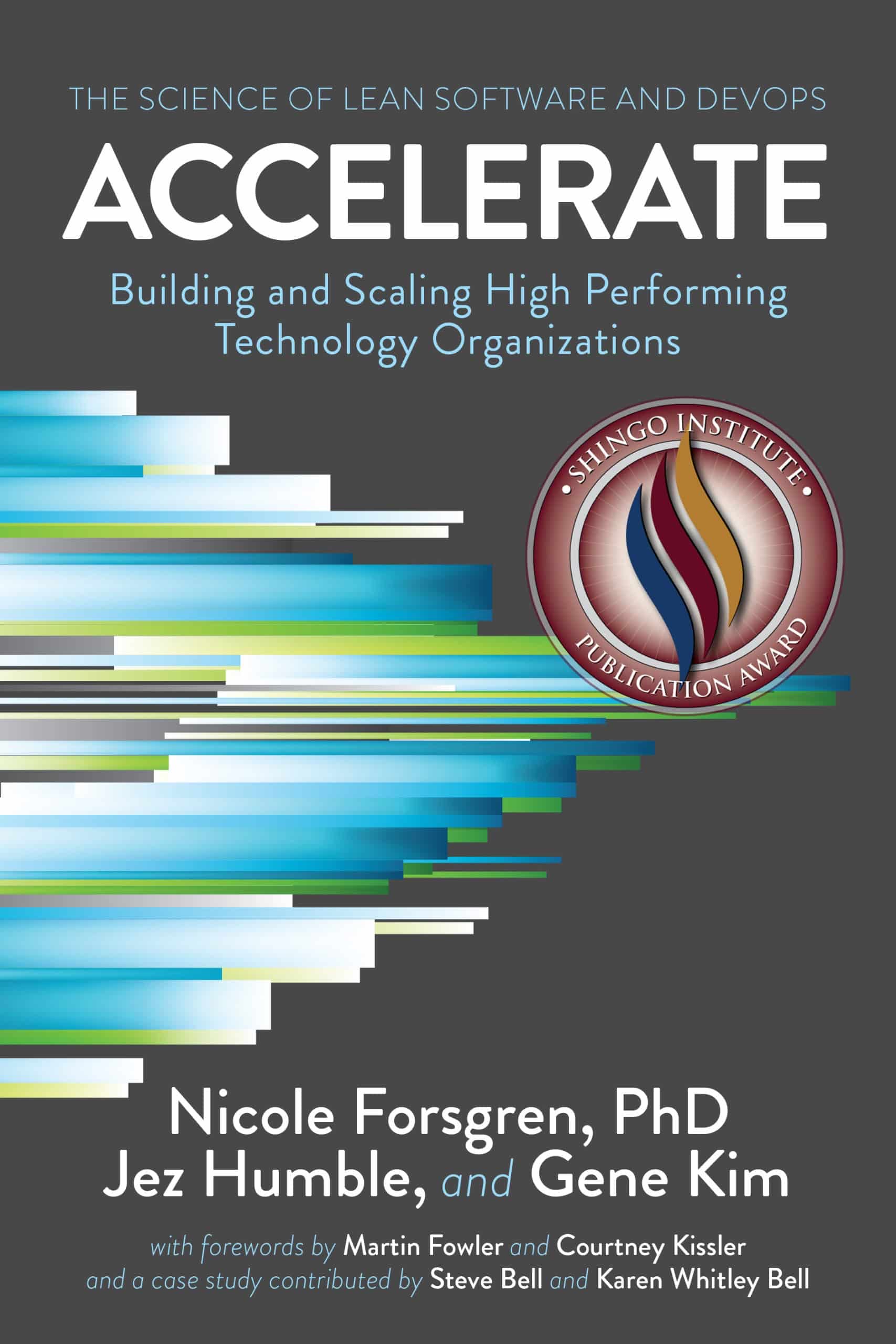
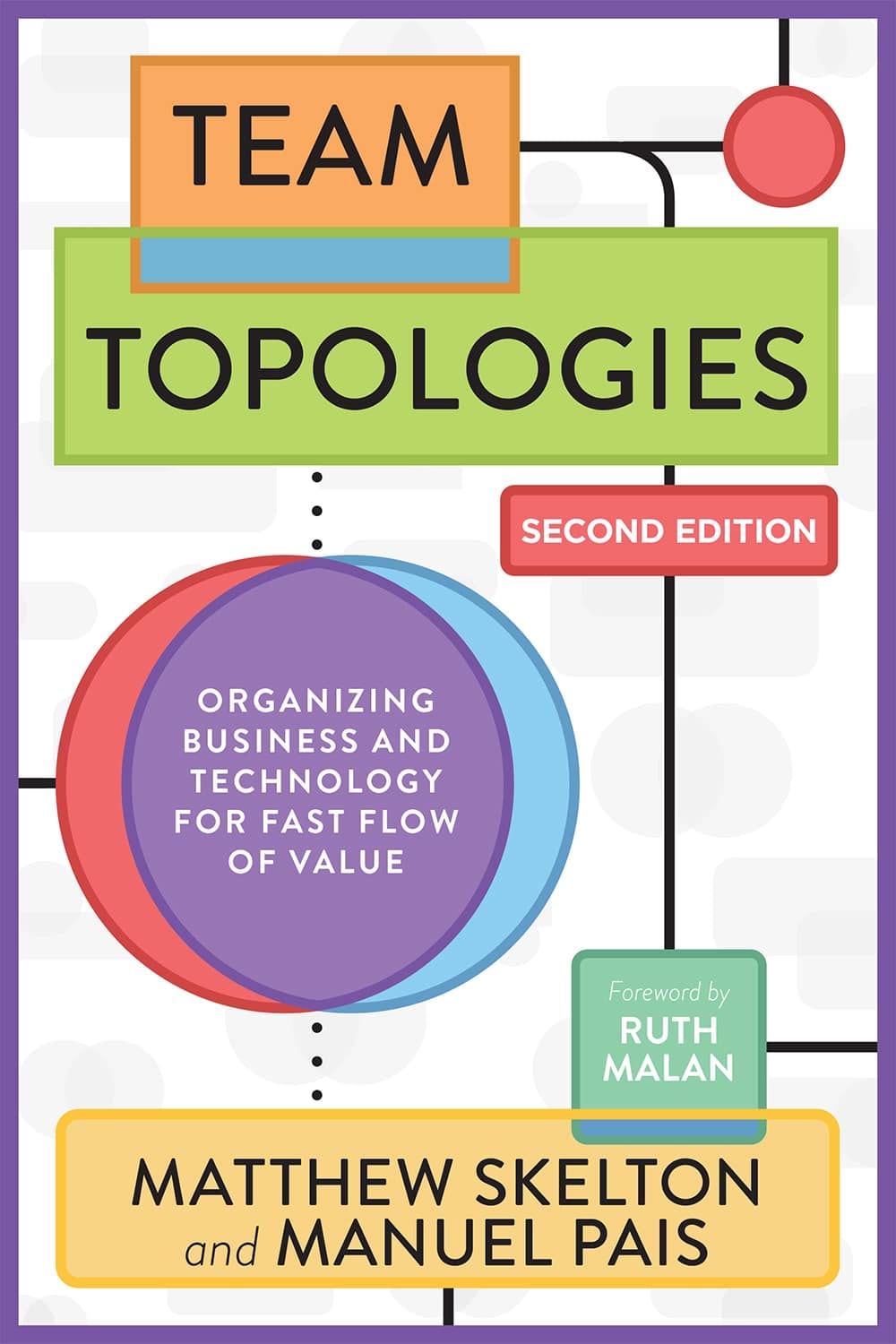
Observability Engineering vs The DevOps Handbook → Observability Engineering vs Accelerate → Observability Engineering vs Team Topologies → Frequently asked
What is the difference between observability and monitoring?
Monitoring watches for known failure modes with predefined metrics and dashboards. Observability, as the book frames it, lets you ask new questions about your system from rich, high-cardinality event data, so you can debug problems you never predicted. That distinction is the book's central theme.
Is Observability Engineering vendor-neutral?
Mostly, though the authors work at Honeycomb and the book reflects its philosophy of structured events and high cardinality. The concepts apply to any modern observability stack, but some readers feel the examples lean toward the authors' own product approach.
Who should read Observability Engineering?
SREs, platform engineers, and backend developers who are on call for production systems get the most from it. If your dashboards keep failing to explain new outages, the approach to events and tracing will resonate. It carries a 3.72 Goodreads rating across more than 300 ratings.
Does the book teach a specific tool?
Not really. It focuses on principles: structured events, tracing, high cardinality, and service level objectives. You will not get a step-by-step setup for one platform, but you will understand what to look for when choosing or building observability tooling.
Read this next
3 alternatives
Ready?
Check Price on Amazon →