AI Engineering versus Prompt Engineering for Generative AI.
Both show up on every "best" list. They're not competitors. They're a sequence. Here's which one to read first, and when.
Reviewed by Ashish Sheth · Updated May 2026
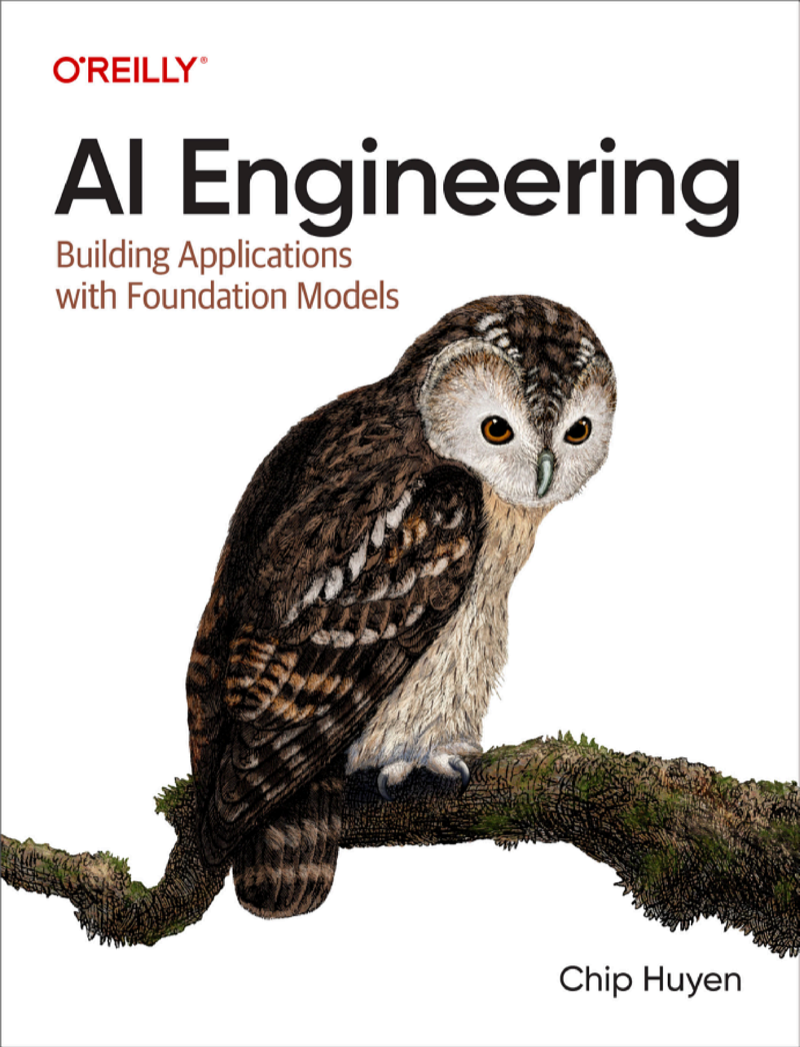
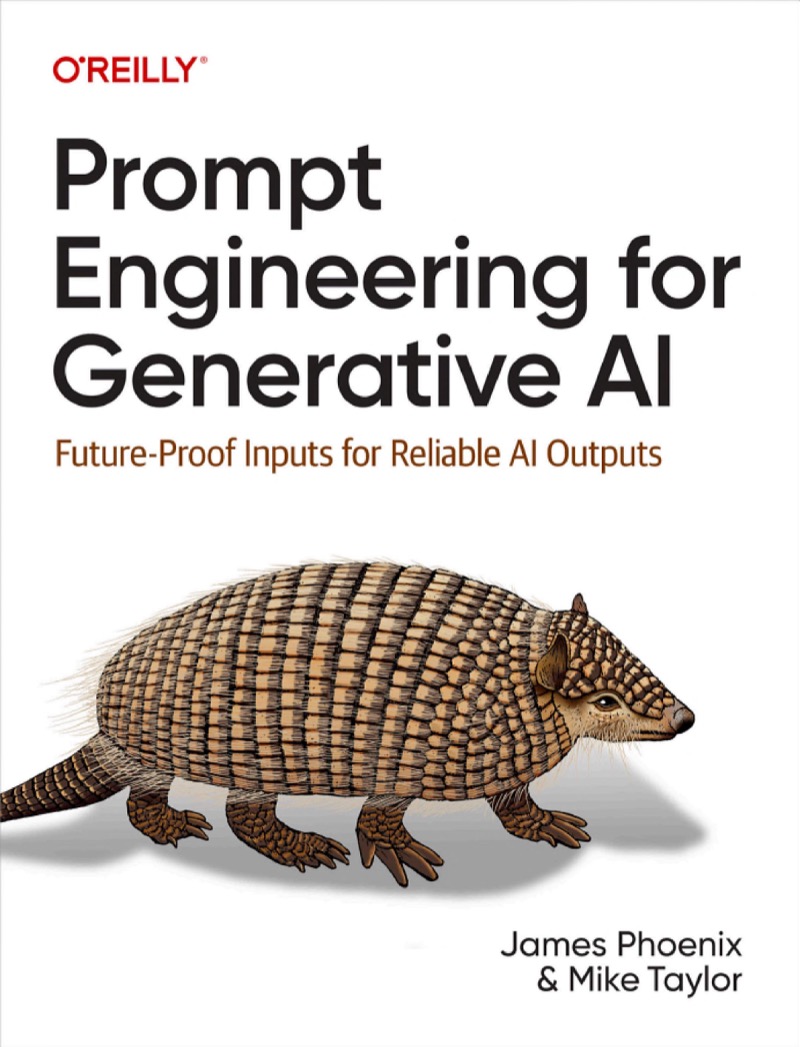
Author
Chip Huyen
James Phoenix, Mike Taylor
Pages
532
422
Published
2025
2024
Publisher
O'Reilly Media
O'Reilly Media
Level
intermediate
beginner to intermediate
Amazon Rating
4.4/5 (899)
4.5/5 (132)
Goodreads Rating
4.4/5 (1,061)
3.64/5 (144)
AI Engineering
Strengths
+ Clear, accessible explanations of complex AI/ML concepts
+ Practical and implementation-focused rather than theoretical
+ Well-researched with extensive references to current literature
+ Excellent for software engineers transitioning into AI development
Caveats
− Inconsistent depth: some topics feel surface-level for experienced practitioners
− Limited practical code examples
− Breadth-first approach means some topics lack deep coverage
Prompt Engineering for Generative AI
Strengths
+ Covers both text and image generation in one book
+ Good entry point for developers completely new to prompt engineering
+ The five principles framework provides a structured starting point
+ Practical and project-oriented approach
Caveats
− Heavy reliance on specific tools (LangChain, etc.) that date quickly
− Reads more like assembled blog posts than a cohesive narrative
− Tutorial-style code that ages fast as APIs change
− Breadth over depth on most topics
The verdict
Read Prompt Engineering for Generative AI first to build foundations, then move to AI Engineering for advanced concepts.
AI Engineering
Check Price on Amazon →
Prompt Engineering for Generative AI
Check Price on Amazon →
Frequently asked
Which is better, AI Engineering or Prompt Engineering for Generative AI?
Read Prompt Engineering for Generative AI first to build foundations, then move to AI Engineering for advanced concepts.
Is AI Engineering good for beginners?
You need some software engineering experience. It's not a learn-to-code book. But you don't need a PhD in ML either. If you can write Python and understand APIs, you'll follow along.
Does this cover image generation too?
Yes. About a third of the book covers image generation with Midjourney and Stable Diffusion. Most other prompt engineering books focus only on text.