Pages
422
Year
2024
Level
beginner to intermediate
Read time
11h
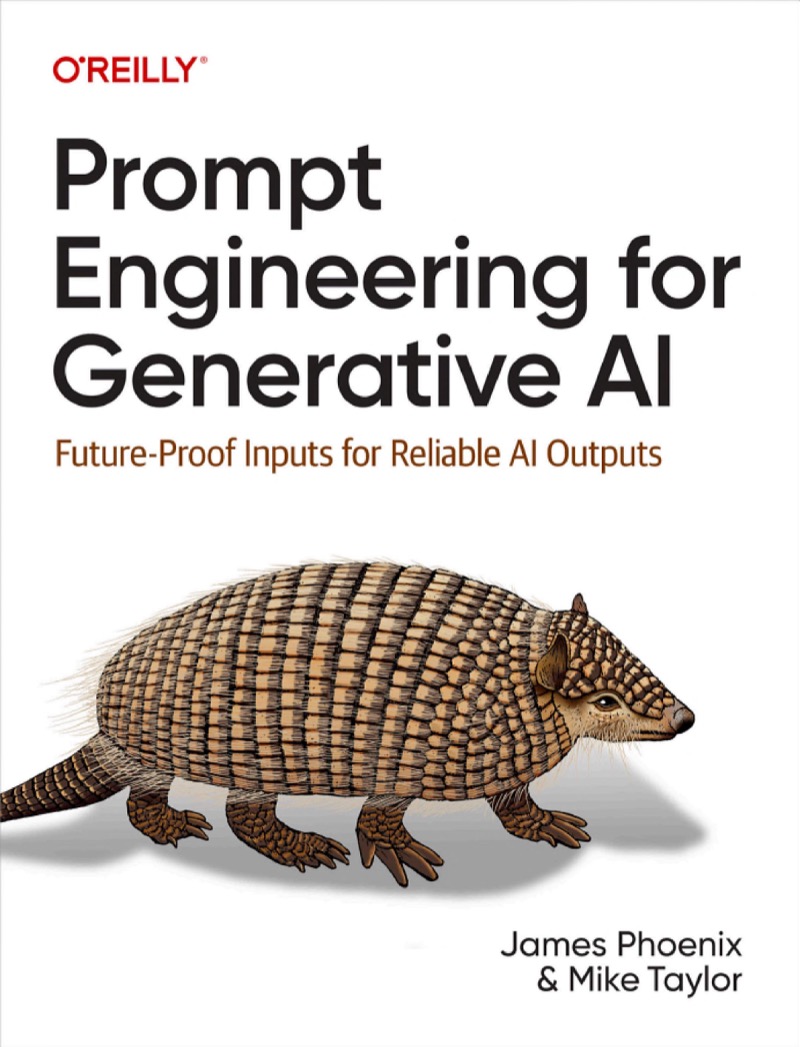
James Phoenix, Mike Taylor · O'Reilly Media · 2024
Reviewed by Ashish Sheth · Updated May 2026
Prompt Engineering for Generative AI
4.5 / 5
AMAZON · 132 RATINGS
prompt engineering
SUBJECTS
What you'll come away with
01.
A structured framework (five principles) for writing effective prompts
02.
How to use LangChain for building text generation applications
03.
Working with vector databases for retrieval and semantic search
04.
Building autonomous AI agents with memory and tool access
05.
Prompt techniques for both text and image generation models
06.
How to architect complete AI-powered applications
Strengths
+Covers both text and image generation in one book
+Good entry point for developers completely new to prompt engineering
+The five principles framework provides a structured starting point
+Practical and project-oriented approach
Caveats
−Heavy reliance on specific tools (LangChain, etc.) that date quickly
−Reads more like assembled blog posts than a cohesive narrative
−Tutorial-style code that ages fast as APIs change
−Breadth over depth on most topics
★ 4.5 FROM 132 READERS ON AMAZON
Check Price on Amazon →
Read this if
→Developers wanting a broad introduction to both text and image generation
→People who prefer learning through code tutorials and projects
→Anyone who wants one book covering the full generative AI prompt landscape
Skip this if
—Those who want deep, principle-based understanding (see Prompt Engineering for LLMs)
—Experienced LLM practitioners who already use LangChain and vector databases
—Readers who prefer timeless principles over tool-specific tutorials
Head-to-head comparisons
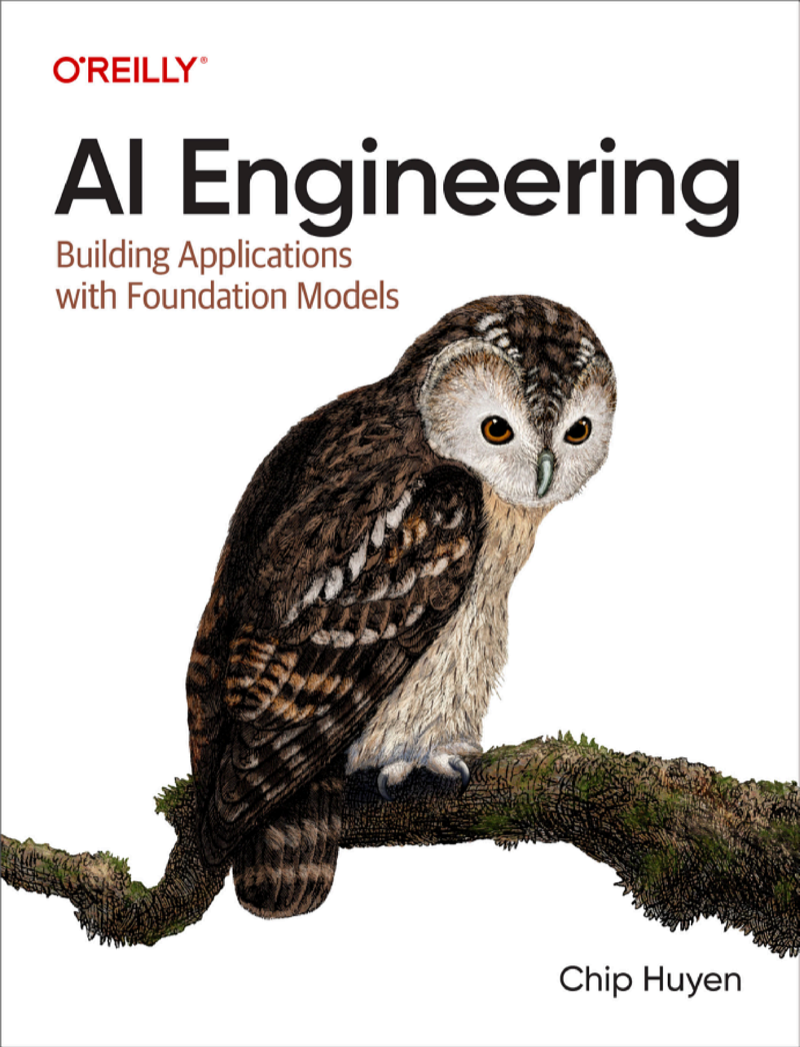
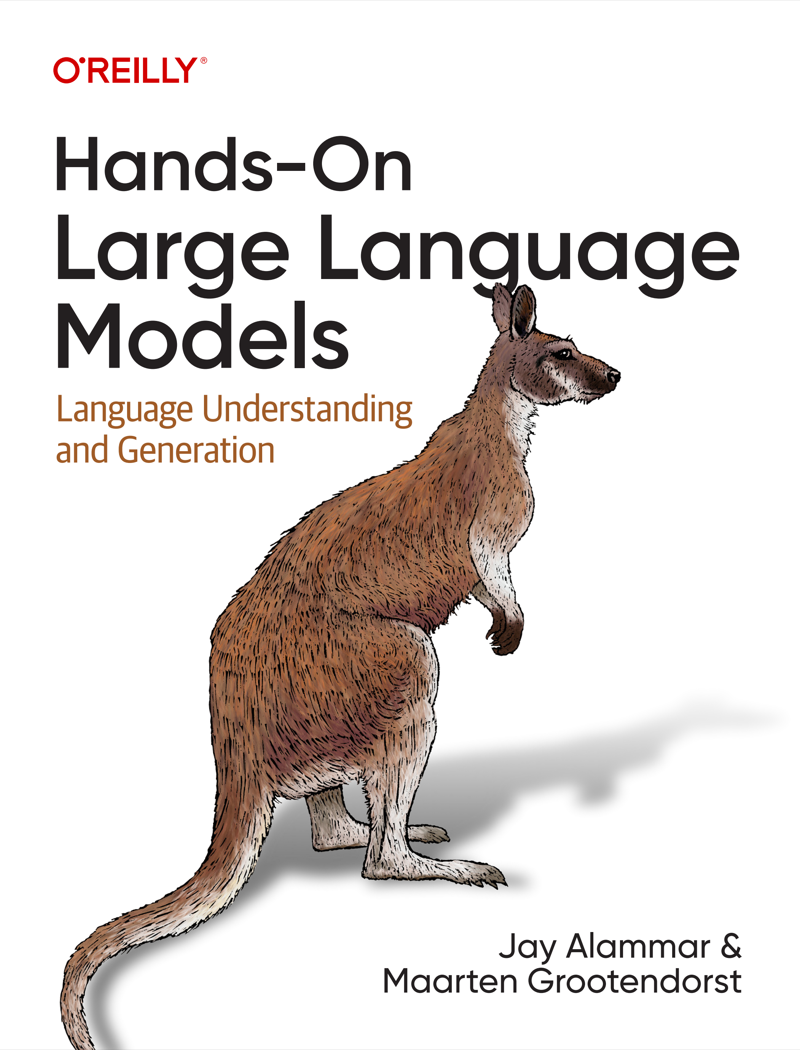
Prompt Engineering for Generative AI vs Prompt Engineering for LLMs → Prompt Engineering for Generative AI vs AI Engineering → Prompt Engineering for Generative AI vs Hands-On Large Language Models → Frequently asked
Does this cover image generation too?
Yes. About a third of the book covers image generation with Midjourney and Stable Diffusion. Most other prompt engineering books focus only on text.
Will the code examples still work?
Some LangChain and API examples may need updates as libraries evolve. The concepts transfer, but expect to adapt code to current API versions.
How is this different from Prompt Engineering for LLMs?
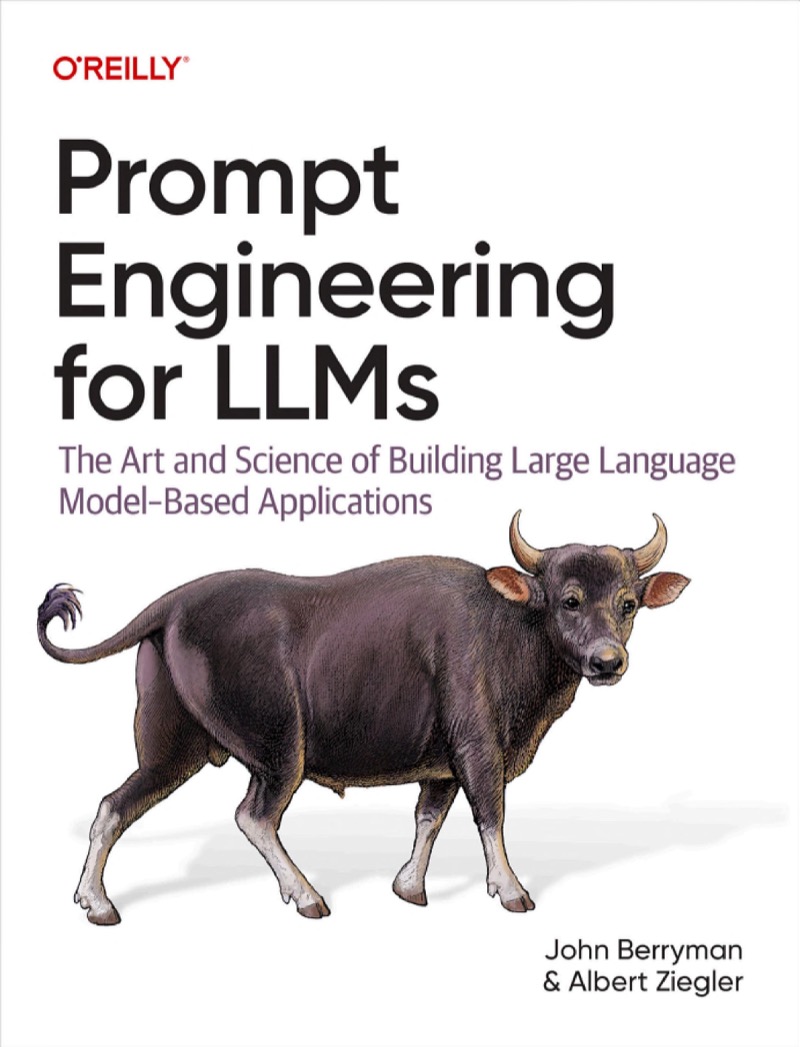
Phoenix and Taylor's book is broader and beginner-friendly. It covers both text and image generation, with a five-principles framework as the scaffold. Berryman and Ziegler's book goes deeper on text-only prompting and the why behind techniques. Pick this if you're new and want range. Pick that one for theory.
Read this next
3 alternatives
Ready?
Check Price on Amazon →