Pages
282
Year
2024
Level
intermediate
Read time
8h
John Berryman, Albert Ziegler · O'Reilly Media · 2024
Reviewed by Ashish Sheth · Updated May 2026
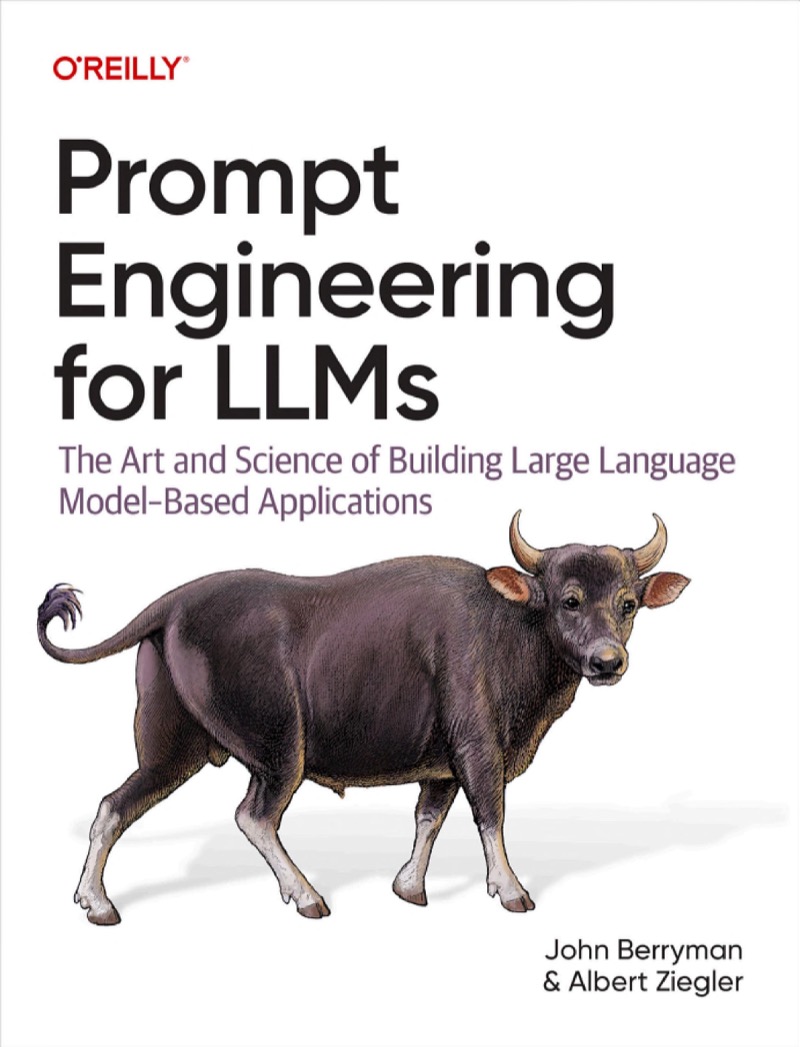
Prompt Engineering for LLMs
The Art and Science of Building Large Language Model-Based Applications
4.1 / 5
AMAZON · 60 RATINGS
prompt engineering · llm
SUBJECTS
What you'll come away with
01.
Why understanding LLM architecture helps you write better prompts
02.
Systematic prompt design instead of trial-and-error guessing
03.
How chain-of-thought and few-shot techniques improve output quality
04.
Managing context windows and token budgets effectively
05.
Building applications that get consistent results from LLMs
06.
How the GitHub Copilot team approaches prompt engineering at scale
Strengths
+Focuses on understanding why techniques work, not just memorizing patterns
+Written by practitioners who build one of the world's largest LLM products
+Good visual explanations and exercises throughout
+Research-backed approach with references for deeper exploration
Caveats
−Heavy GPT-3 focus makes some content feel dated
−Longer than it needs to be, some sections are unnecessarily verbose
−Some later chapters feel too abstract for practical application
★ 4.1 FROM 60 READERS ON AMAZON
Check Price on Amazon →
Read this if
→Developers who want to understand the science behind prompt engineering, not just copy patterns
→Engineers building LLM features who need systematic approaches
→Anyone using Copilot or similar tools who wants to get more out of them
Skip this if
—People wanting a quick cookbook of prompt templates
—Those already deeply familiar with transformer architecture
—Readers looking for the latest model-specific techniques
Head-to-head comparisons
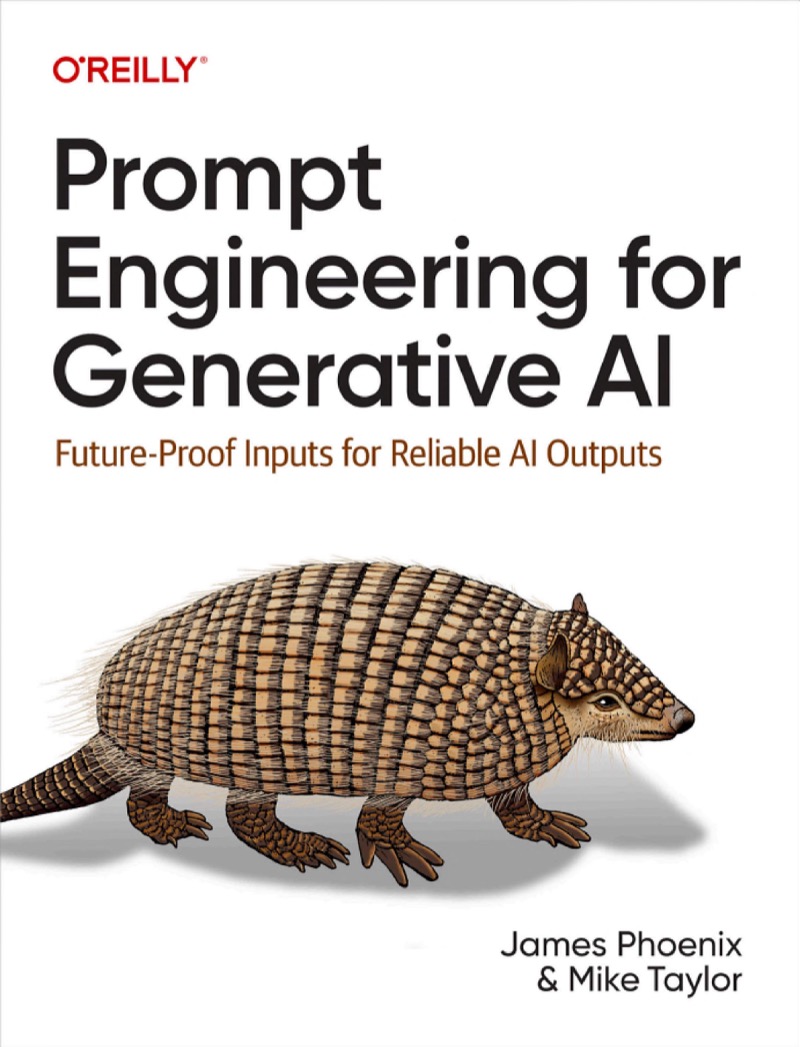
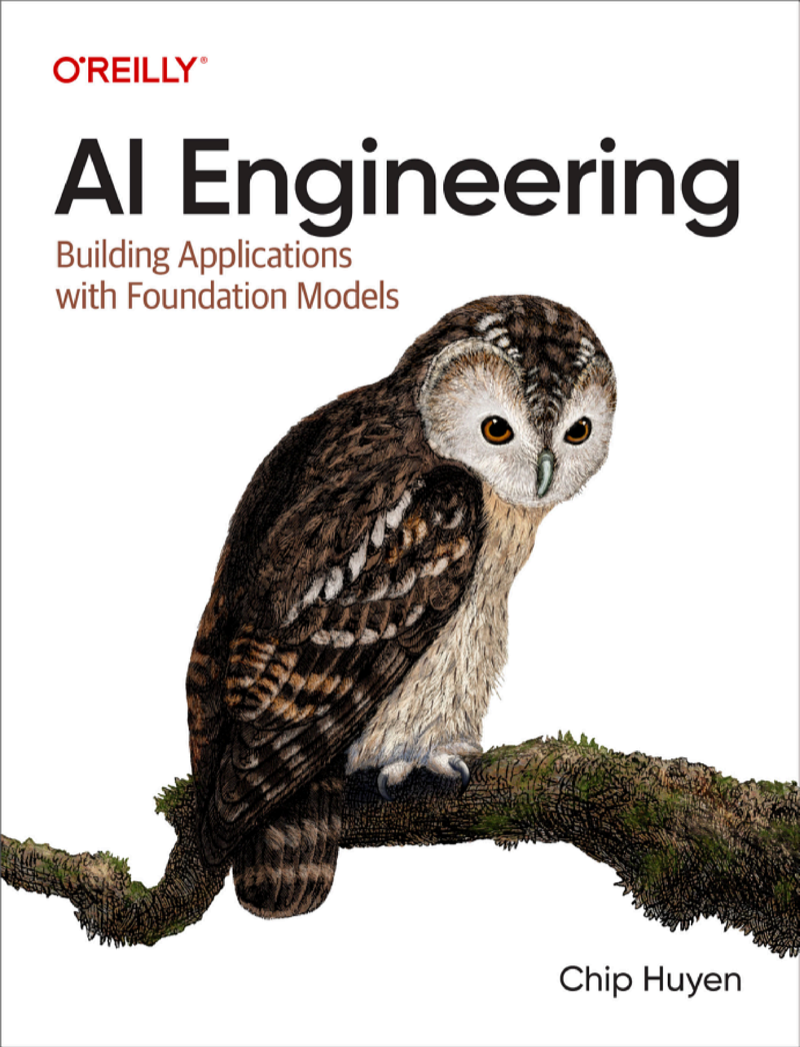
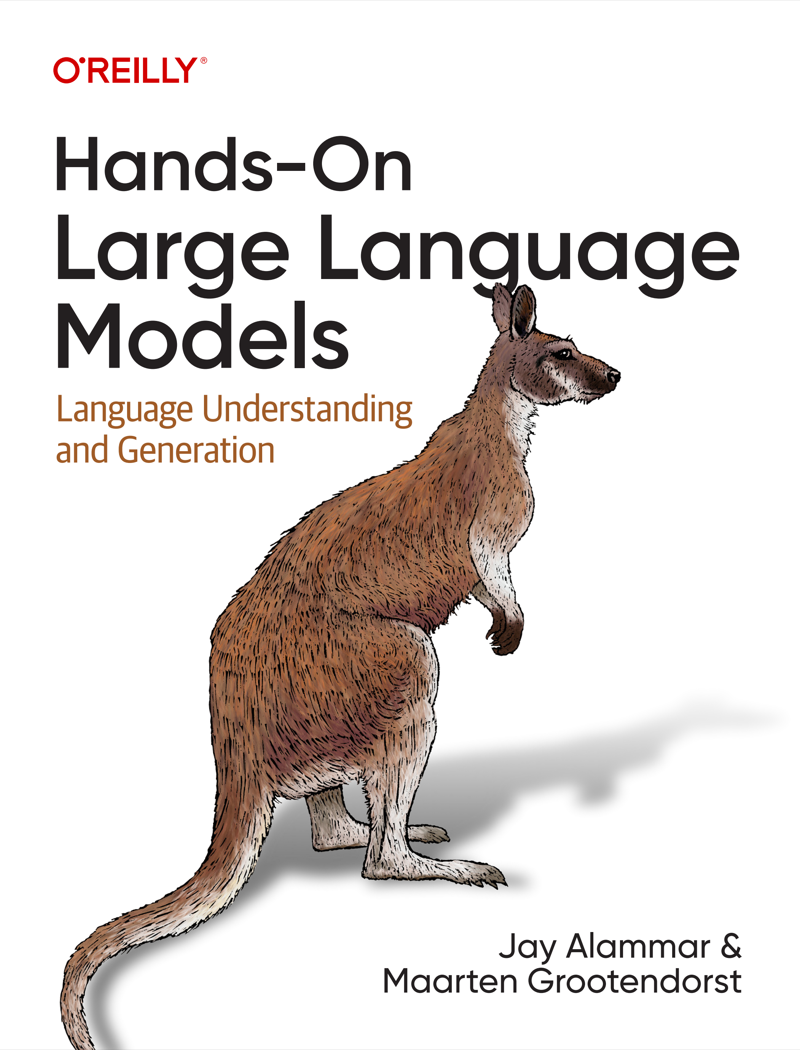
Prompt Engineering for LLMs vs Prompt Engineering for Generative AI → Prompt Engineering for LLMs vs AI Engineering → Prompt Engineering for LLMs vs Hands-On Large Language Models → Frequently asked
Is this just a collection of prompt templates?
No. It focuses on understanding why prompts work at the architectural level. You'll learn principles that apply to any model, not templates that stop working when models update.
Is it still relevant given how fast LLMs evolve?
The principles of how context windows, attention, and token prediction work are stable. Specific model references (GPT-3) are dated, but the techniques transfer to newer models.
Who wrote this book and why does that matter?
John Berryman and Albert Ziegler were early engineers on GitHub Copilot, one of the highest-volume LLM applications ever shipped. That practical context shapes the book. They prioritize what works at scale over what's theoretically clever. Readers who want a researcher's perspective should pair this with an academic prompt-engineering paper survey.
Read this next
3 alternatives
Ready?
Check Price on Amazon →