Generative Deep Learning versus Hands-On Large Language Models.
Both show up on every "best" list. They're not competitors. They're a sequence. Here's which one to read first, and when.
Reviewed by Ashish Sheth · Updated May 2026
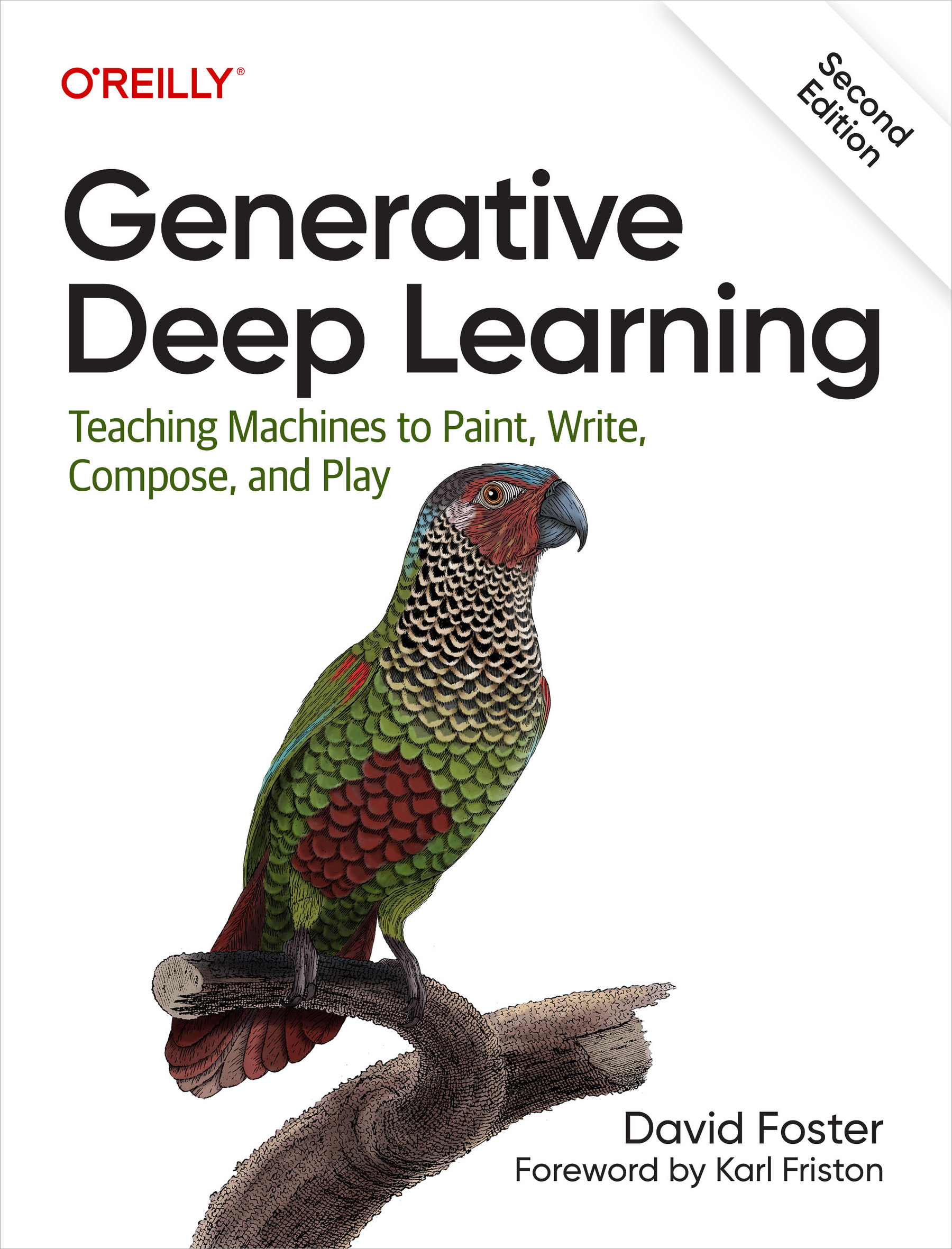
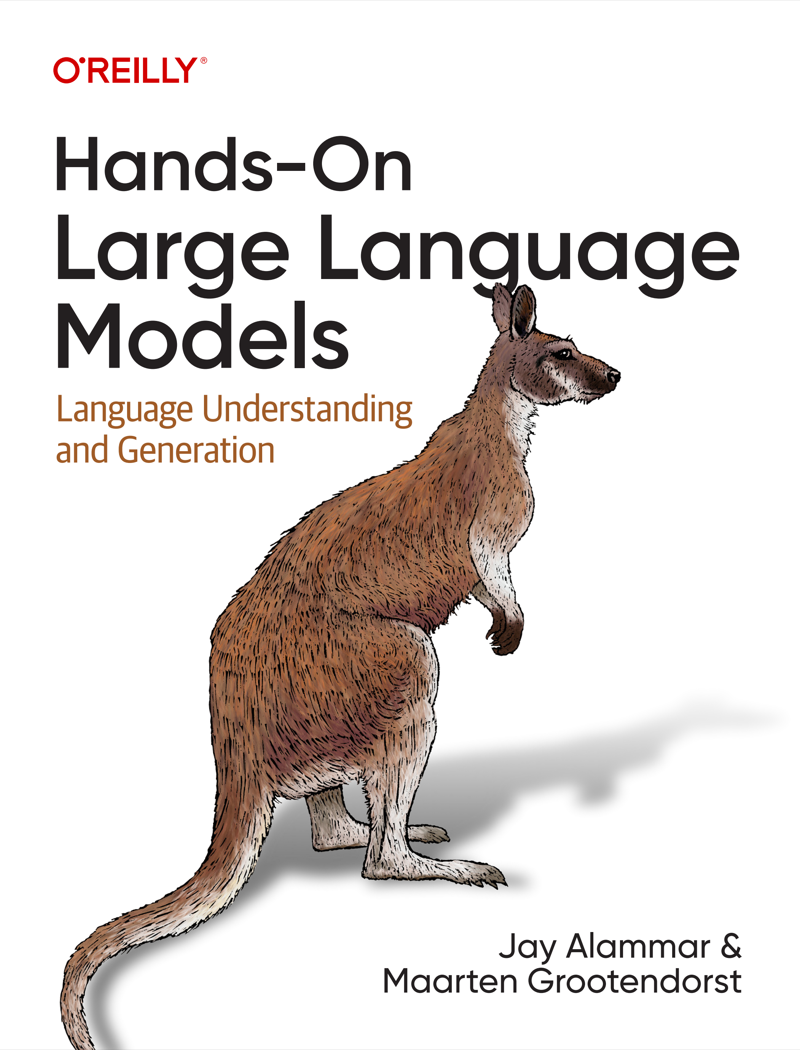
Author
David Foster
Jay Alammar, Maarten Grootendorst
Pages
453
425
Published
2023
2024
Publisher
Shroff Publishers / O'Reilly Media
O'Reilly Media
Level
intermediate
beginner to intermediate
Amazon Rating
4.5/5 (205)
4.5/5 (392)
Goodreads Rating
4.3/5 (264)
4.29/5 (254)
Generative Deep Learning
Strengths
+ Best single book covering the breadth of generative architectures
+ 2nd edition adds diffusion models — essential for 2026 readers
+ Code-first with Keras implementations you can run
+ Strong theoretical grounding without being math-heavy
Caveats
− Keras/TensorFlow focus when much of generative ML is now PyTorch
− Diffusion chapter is solid but the field has moved fast since 2023
− Less coverage of LLM generation than readers may expect from the title
Hands-On Large Language Models
Strengths
+ 275+ custom diagrams make abstract concepts visual and intuitive
+ Accessible to beginners without prior PyTorch/TensorFlow knowledge
+ Practical code examples covering real use cases like semantic search and RAG
+ Well-structured progression from foundations to advanced techniques
Caveats
− Limited depth on transformer internals despite the author's blog reputation
− Image generation sections lack clarity
− May be too introductory for experienced ML practitioners
The verdict
Read Hands-On Large Language Models first to build foundations, then move to Generative Deep Learning for advanced concepts.
Generative Deep Learning
Check Price on Amazon →
Hands-On Large Language Models
Check Price on Amazon →
Frequently asked
Which is better, Generative Deep Learning or Hands-On Large Language Models?
Read Hands-On Large Language Models first to build foundations, then move to Generative Deep Learning for advanced concepts.
Does this book cover Stable Diffusion and modern image generation?
The 2nd edition (2023) added a diffusion-models chapter that covers the architecture behind Stable Diffusion. Specific tools and APIs have evolved since, but the architecture explanations hold up.
Is Hands-On Large Language Models good for beginners?
Yes, it's one of the most beginner-friendly LLM books available. No PyTorch or TensorFlow experience needed. The 275+ diagrams carry a lot of the explanation load.