Building Microservices versus Release It!.
Both show up on every "best" list. They're not competitors. They're a sequence. Here's which one to read first, and when.
Reviewed by Ashish Sheth · Updated July 2026
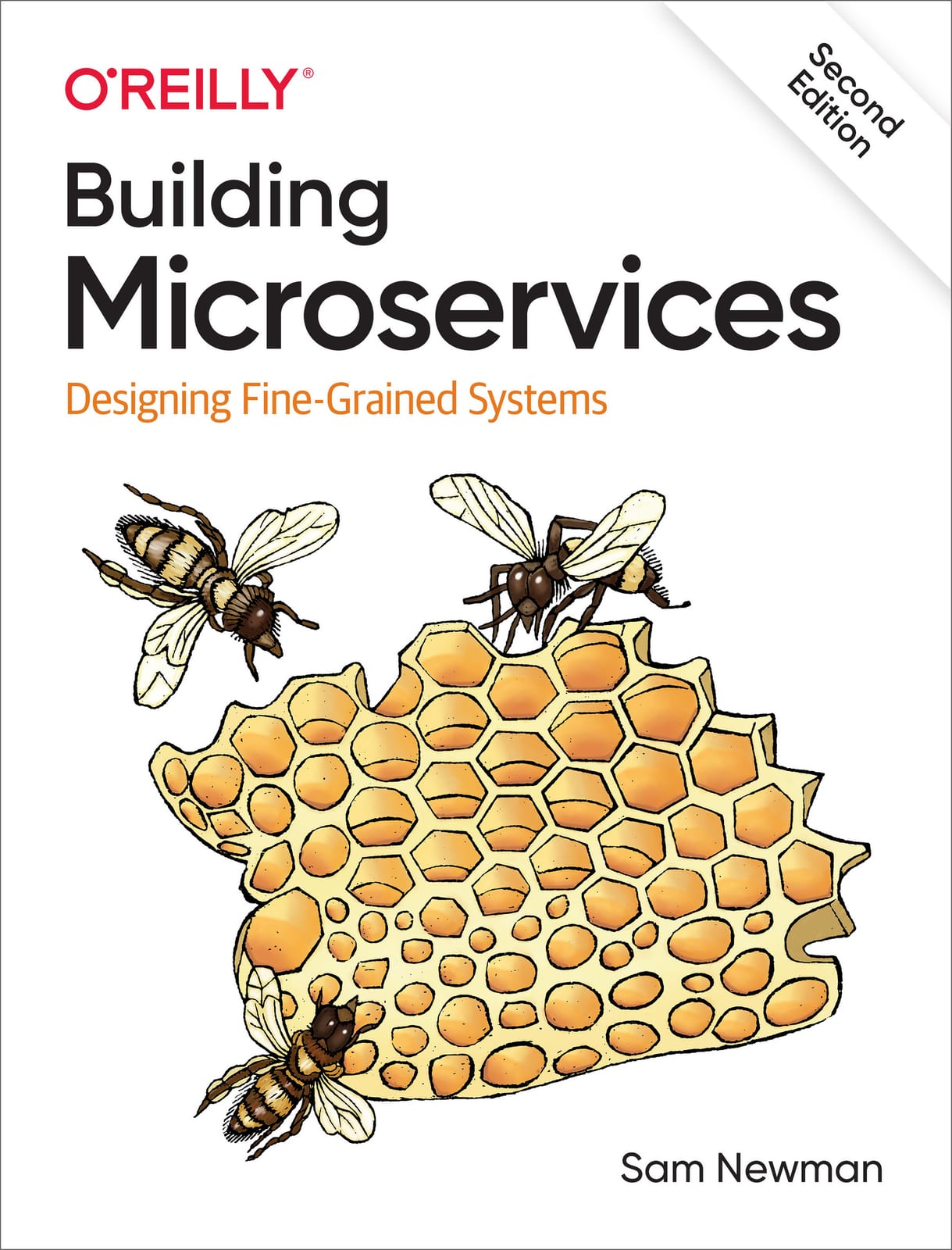
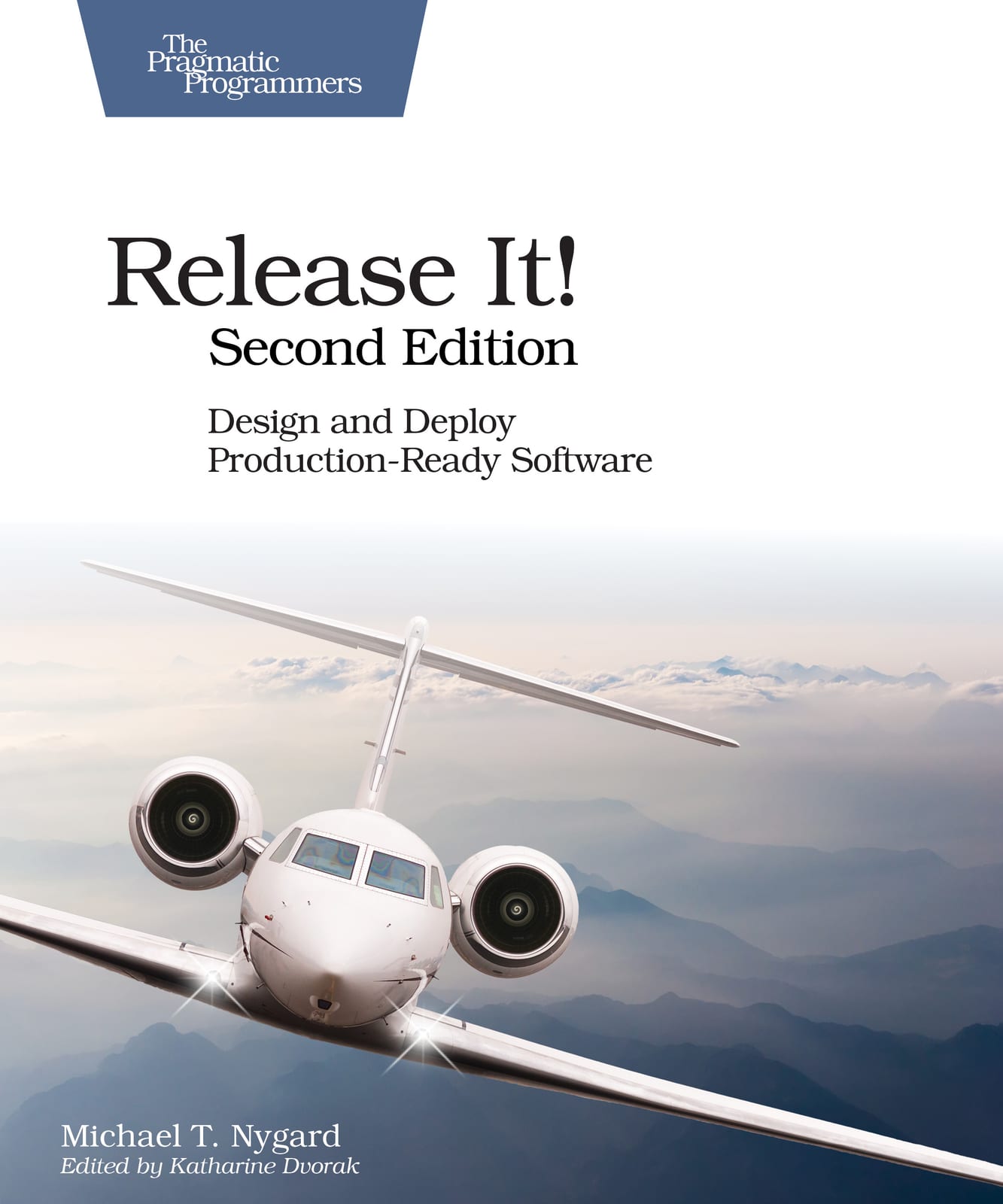
Author
Sam Newman
Michael T. Nygard
Pages
616
366
Published
2021
2018
Publisher
O'Reilly Media
Pragmatic Bookshelf
Level
intermediate
intermediate
Amazon Rating
4.5/5 (820)
4.7/5 (496)
Goodreads Rating
4.22/5 (5,236)
4.25/5 (3,239)
Building Microservices
Strengths
+ Honest about the costs of microservices rather than a sales pitch
+ The 2nd edition adds real depth on decomposing monoliths
+ Practical patterns backed by years of consulting work
+ Clear diagrams and worked examples throughout
Caveats
− Broad rather than deep; each topic could fill its own book
− Technology-agnostic by design, so light on specific tooling
− Readers new to distributed systems may want DDIA alongside it
Release It!
Strengths
+ War stories from real outages make the lessons stick
+ Its stability patterns are now standard industry vocabulary
+ The 2nd edition adds cloud, containers, and microservices
+ Reads quickly for a book this influential
Caveats
− Some examples lean on older Java enterprise stacks
− Pattern-focused rather than a step-by-step playbook
− A few readers wanted more on modern cloud-native tooling
The verdict
Release It! is the stronger pick overall, but Building Microservices may suit you better if you're a backend engineers moving from a monolith toward services.
Building Microservices
Check Price on Amazon →
Release It!
Check Price on Amazon →
Frequently asked
Which is better, Building Microservices or Release It!?
Release It! is the stronger pick overall, but Building Microservices may suit you better if you're a backend engineers moving from a monolith toward services.
Should I read the 1st or 2nd edition of Building Microservices?
Read the 2nd edition. Sam Newman reworked every chapter for 2021 and added substantial material on decomposing monoliths, service boundaries, and modern delivery. Around 5,200 Goodreads readers rate the book 4.22 on average, and the second edition reflects how the pattern actually matured in practice.
Is Release It! still relevant in 2026?
Yes. The stability patterns it introduced, such as circuit breakers and bulkheads, are now built into most resilience libraries and service meshes. The 2nd edition updates the examples for cloud and containers. Roughly 3,200 Goodreads readers rate it 4.25, and its ideas show up in production systems everywhere.