Pages
616
Year
2021
Level
intermediate
Read time
16h
Sam Newman · O'Reilly Media · 2021
Reviewed by Ashish Sheth · Updated July 2026
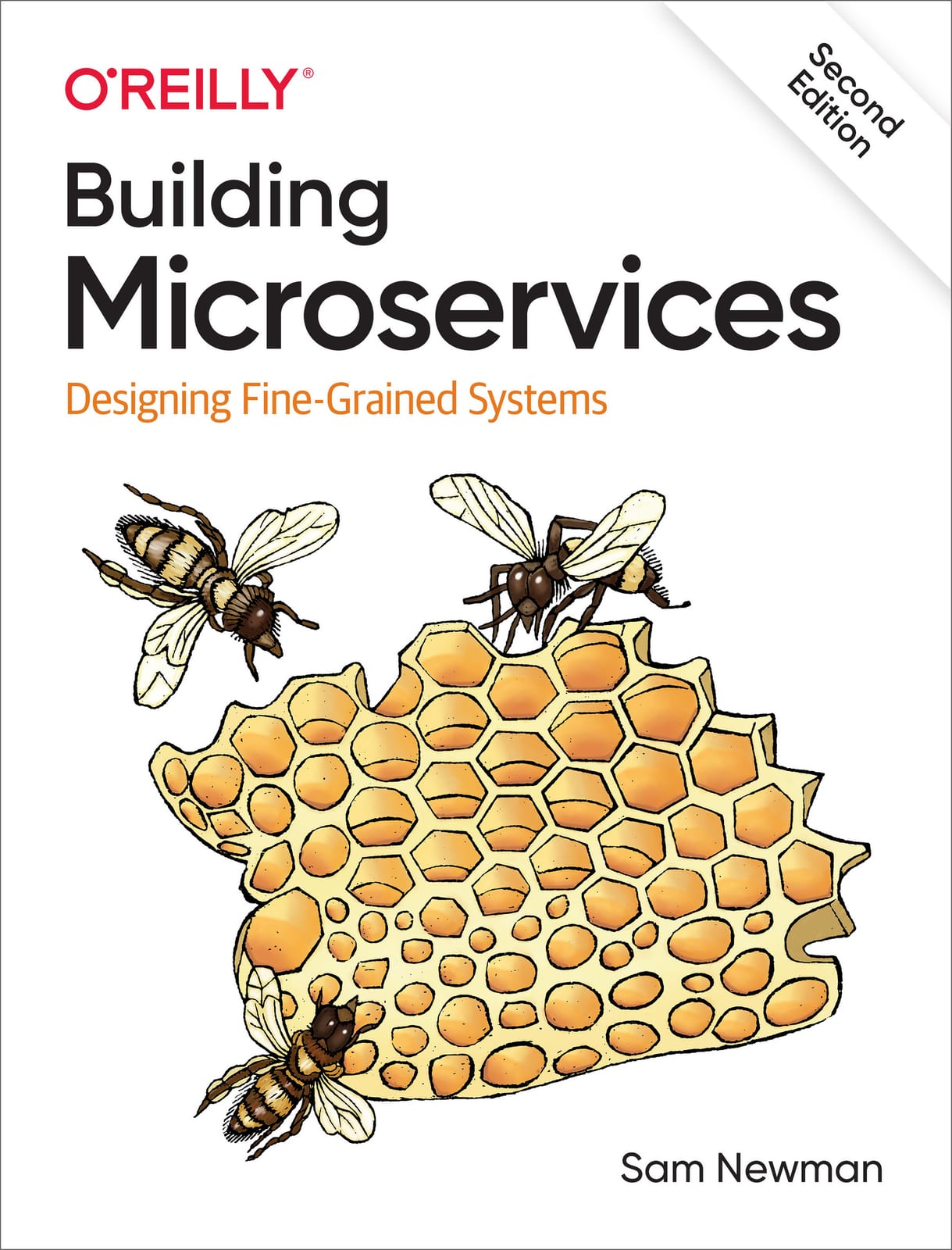
Building Microservices
Designing Fine-Grained Systems
4.5 / 5
AMAZON · 820 RATINGS
system design
SUBJECTS
What you'll come away with
01.
When microservices help, and when they add pain for no gain
02.
How to find service boundaries that map to real domains
03.
A safe, incremental path out of a monolith
04.
The trade-offs behind synchronous versus event-driven calls
05.
How to keep dozens of services observable and secure
Strengths
+Honest about the costs of microservices rather than a sales pitch
+The 2nd edition adds real depth on decomposing monoliths
+Practical patterns backed by years of consulting work
+Clear diagrams and worked examples throughout
Caveats
−Broad rather than deep; each topic could fill its own book
−Technology-agnostic by design, so light on specific tooling
−Readers new to distributed systems may want DDIA alongside it
★ 4.5 FROM 820 READERS ON AMAZON
Check Price on Amazon →
Read this if
→Teams considering or already running microservices
→Engineers tasked with breaking up a large monolith
→Architects who want a vendor-neutral map of the trade-offs
Skip this if
—Developers happy with a working monolith and no scaling pressure
—Readers wanting step-by-step Kubernetes or framework tutorials
—Anyone looking for deep database or consensus internals
Head-to-head comparisons
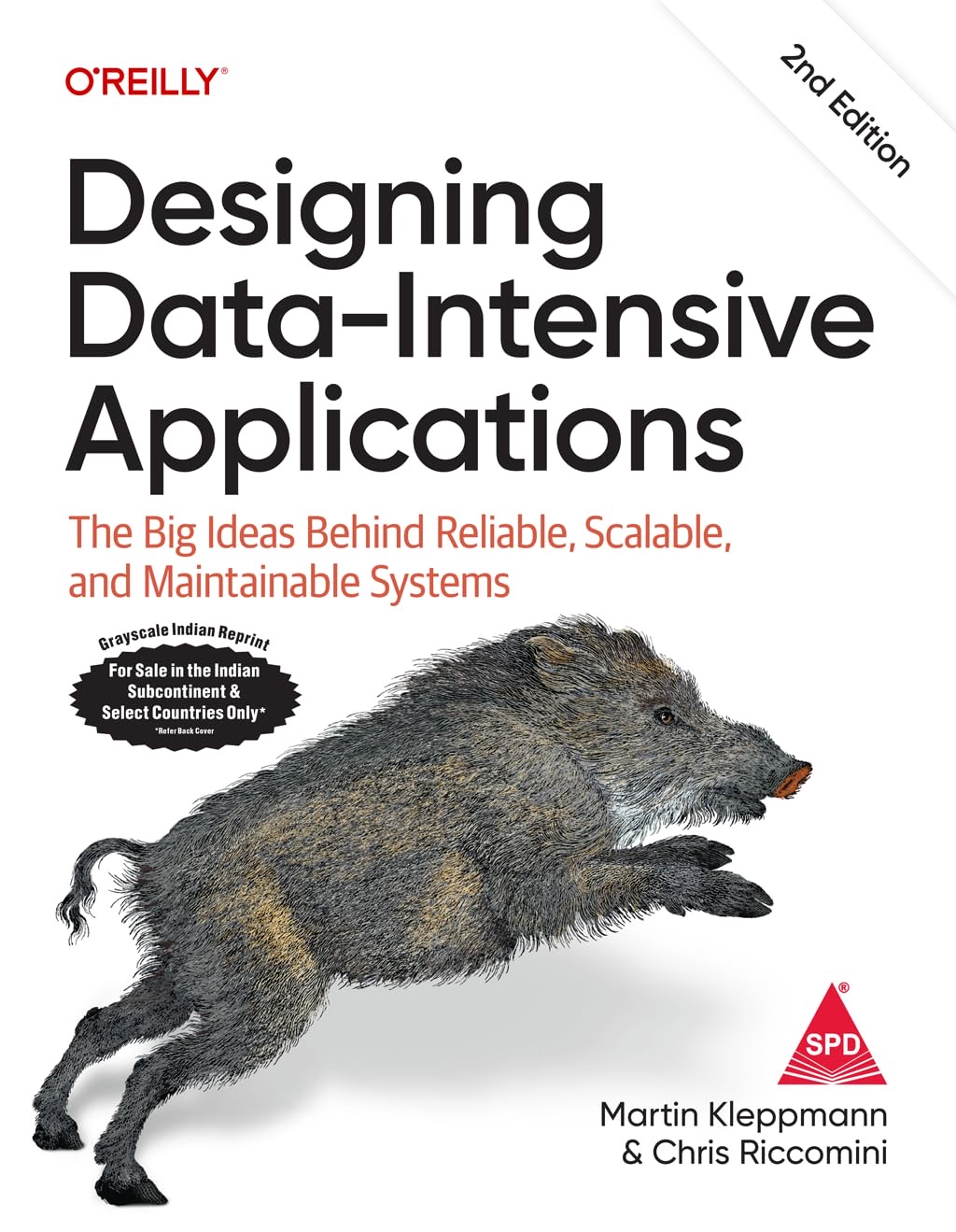
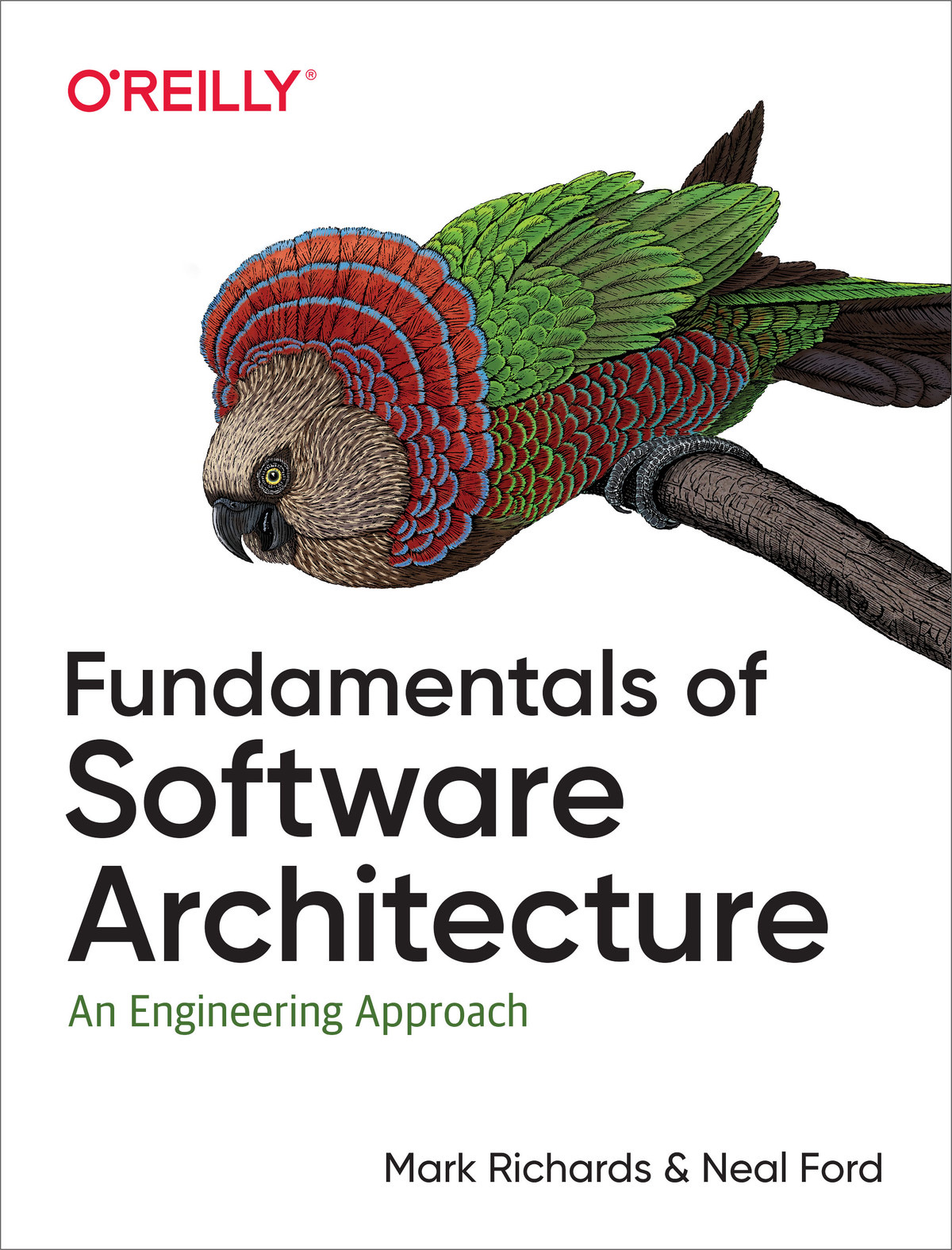
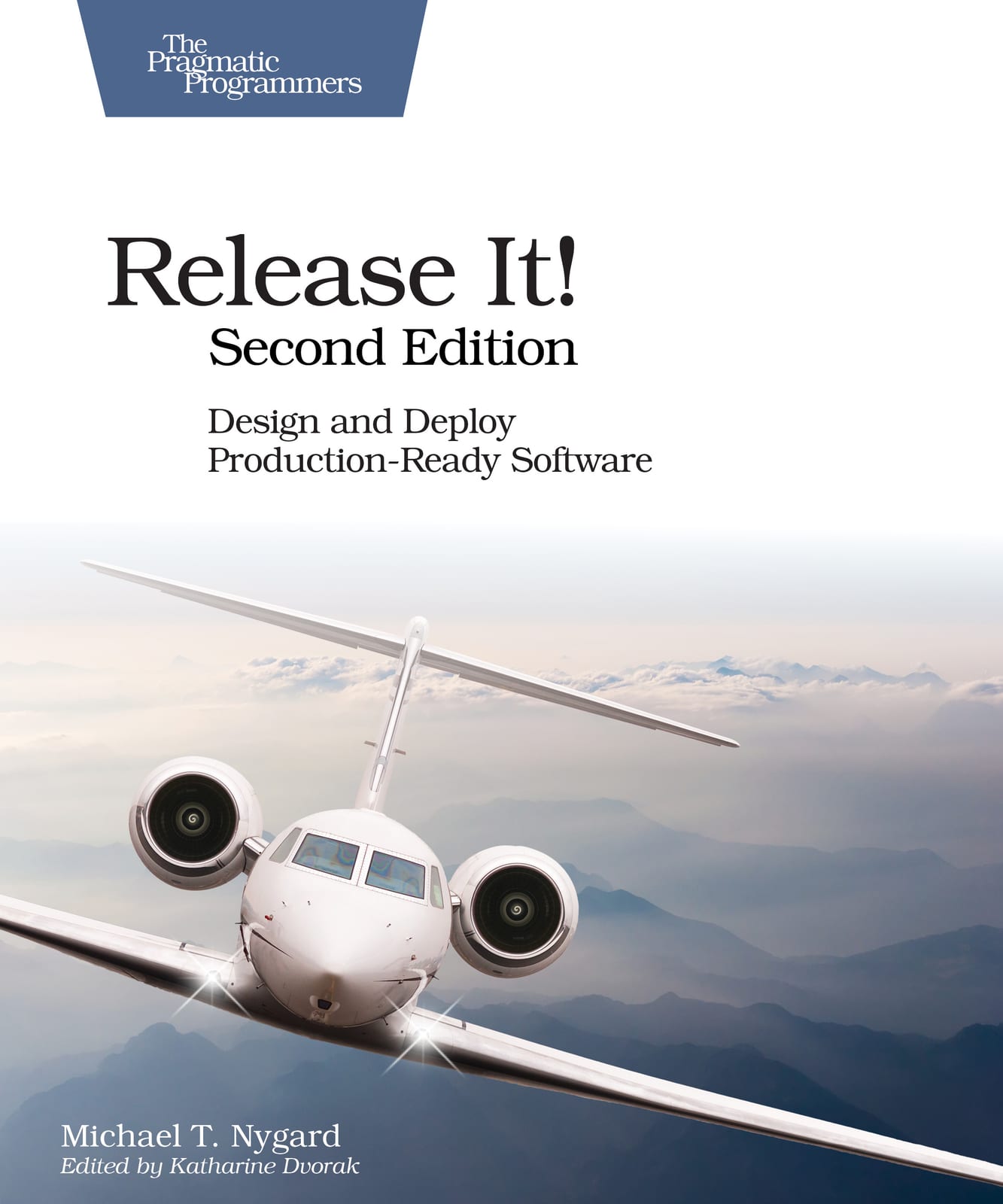
Building Microservices vs Designing Data-Intensive Applications → Building Microservices vs Fundamentals of Software Architecture → Building Microservices vs Release It! → Frequently asked
Should I read the 1st or 2nd edition of Building Microservices?
Read the 2nd edition. Sam Newman reworked every chapter for 2021 and added substantial material on decomposing monoliths, service boundaries, and modern delivery. Around 5,200 Goodreads readers rate the book 4.22 on average, and the second edition reflects how the pattern actually matured in practice.
Is Building Microservices good for beginners?
It suits engineers who already understand a monolith and basic web services. Newman explains ideas clearly, but the book assumes you know why you might split a system. Beginners to distributed systems often pair it with Designing Data-Intensive Applications for the storage and consistency foundations underneath.
Does Building Microservices tie you to a specific tech stack?
No. The book stays deliberately technology-agnostic, focused on patterns and trade-offs rather than one framework or cloud. That keeps it relevant across stacks, though it means you will look elsewhere for hands-on Kubernetes, service mesh, or language-specific tutorials.
Read this next
3 alternatives
Ready?
Check Price on Amazon →