Pages
366
Year
2018
Level
intermediate
Read time
10h
Michael T. Nygard · Pragmatic Bookshelf · 2018
Reviewed by Ashish Sheth · Updated July 2026
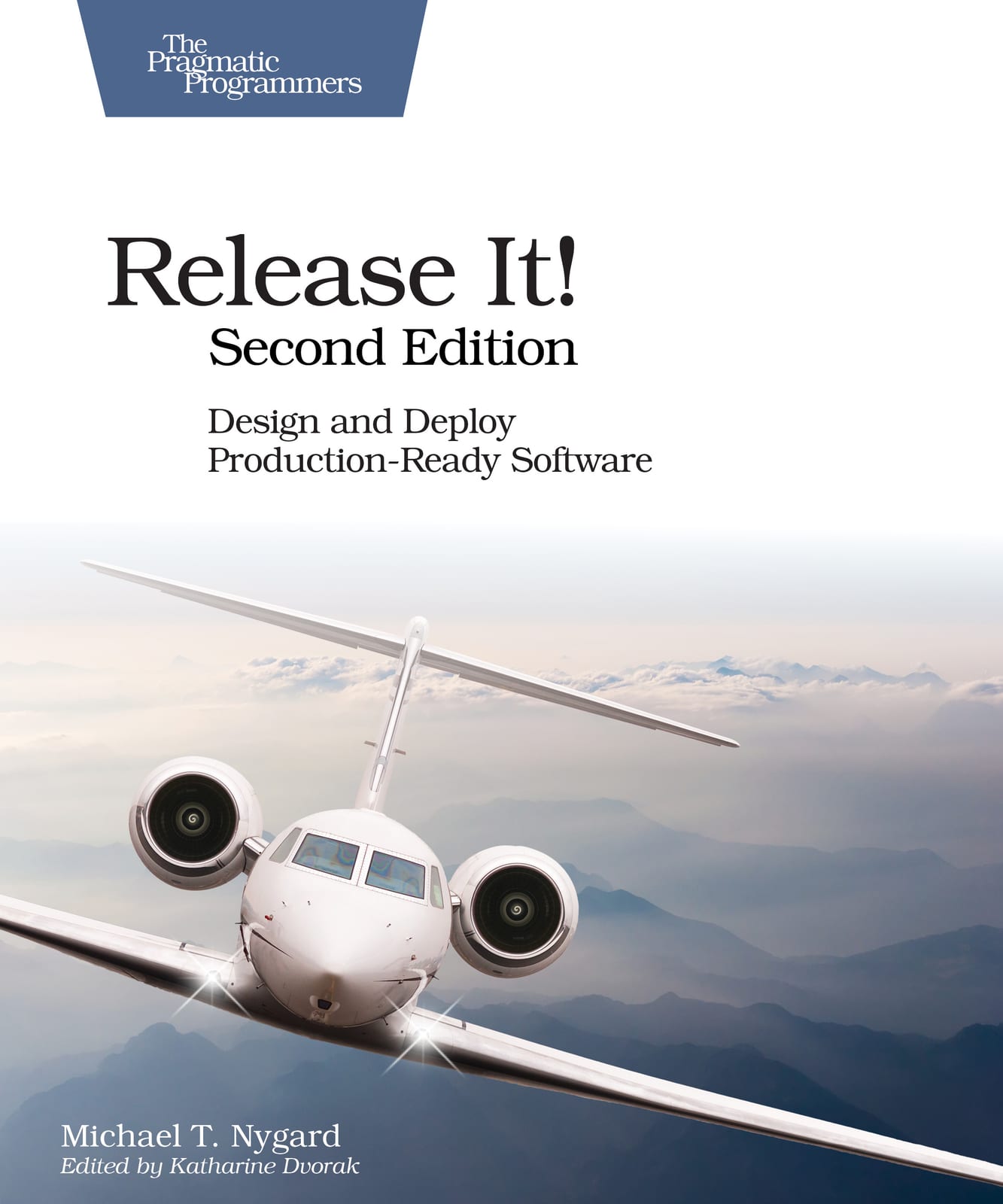
Release It!
Design and Deploy Production-Ready Software
4.7 / 5
AMAZON · 496 RATINGS
system design
SUBJECTS
What you'll come away with
01.
How small failures cascade into full outages, and how to stop them
02.
The circuit breaker and bulkhead patterns, drawn from real incidents
03.
Why software that passes tests still falls over under load
04.
How to design for operability instead of only for features
05.
What to instrument so you can debug a live system fast
Strengths
+War stories from real outages make the lessons stick
+Its stability patterns are now standard industry vocabulary
+The 2nd edition adds cloud, containers, and microservices
+Reads quickly for a book this influential
Caveats
−Some examples lean on older Java enterprise stacks
−Pattern-focused rather than a step-by-step playbook
−A few readers wanted more on modern cloud-native tooling
★ 4.7 FROM 496 READERS ON AMAZON
Check Price on Amazon →
Read this if
→Engineers responsible for keeping a service up
→Developers who have watched a small bug take down a system
→Architects who want a vocabulary for resilience
Skip this if
—Beginners still learning to build a first web app
—Readers wanting a specific cloud provider tutorial
—Anyone after deep storage-engine or database internals
Head-to-head comparisons
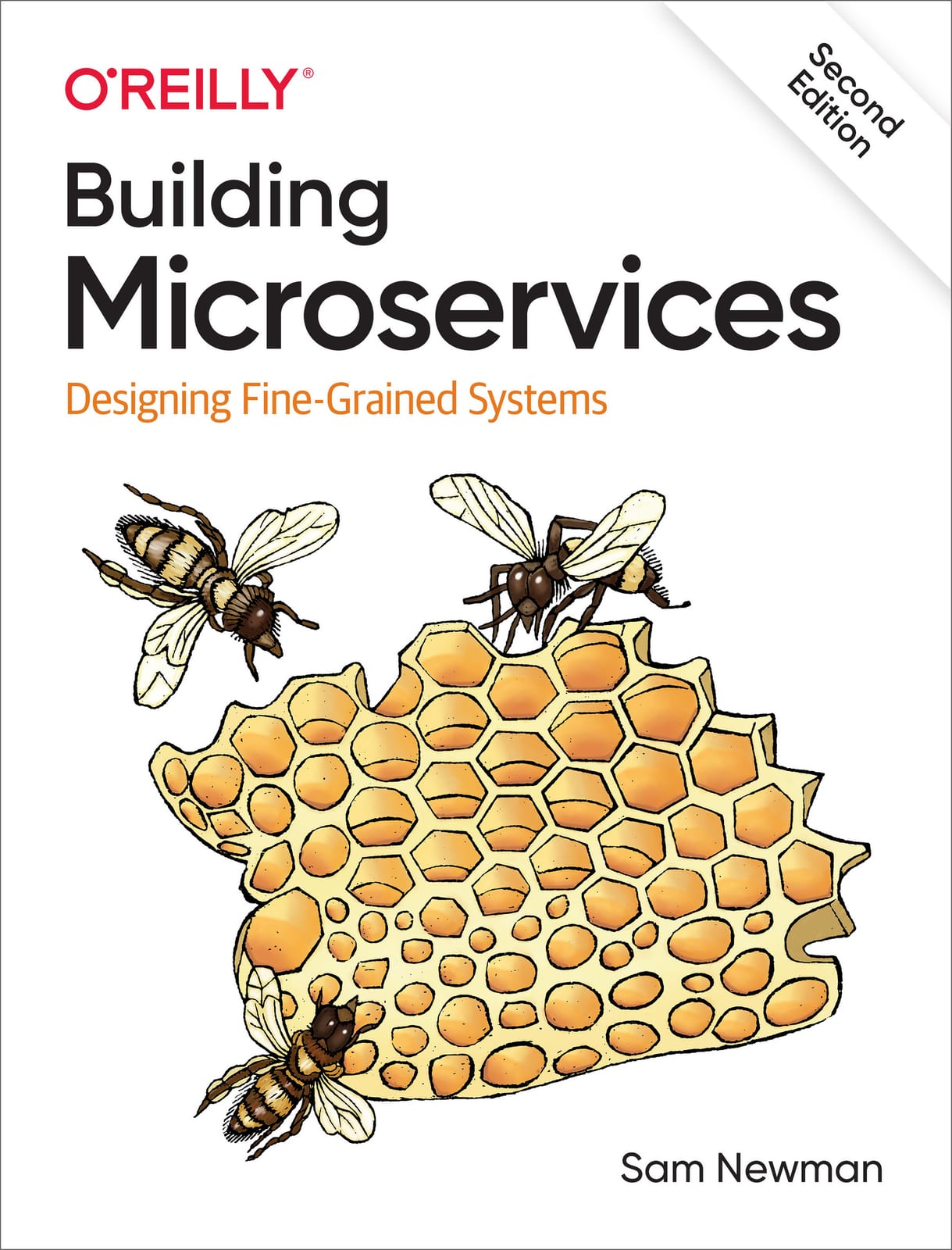
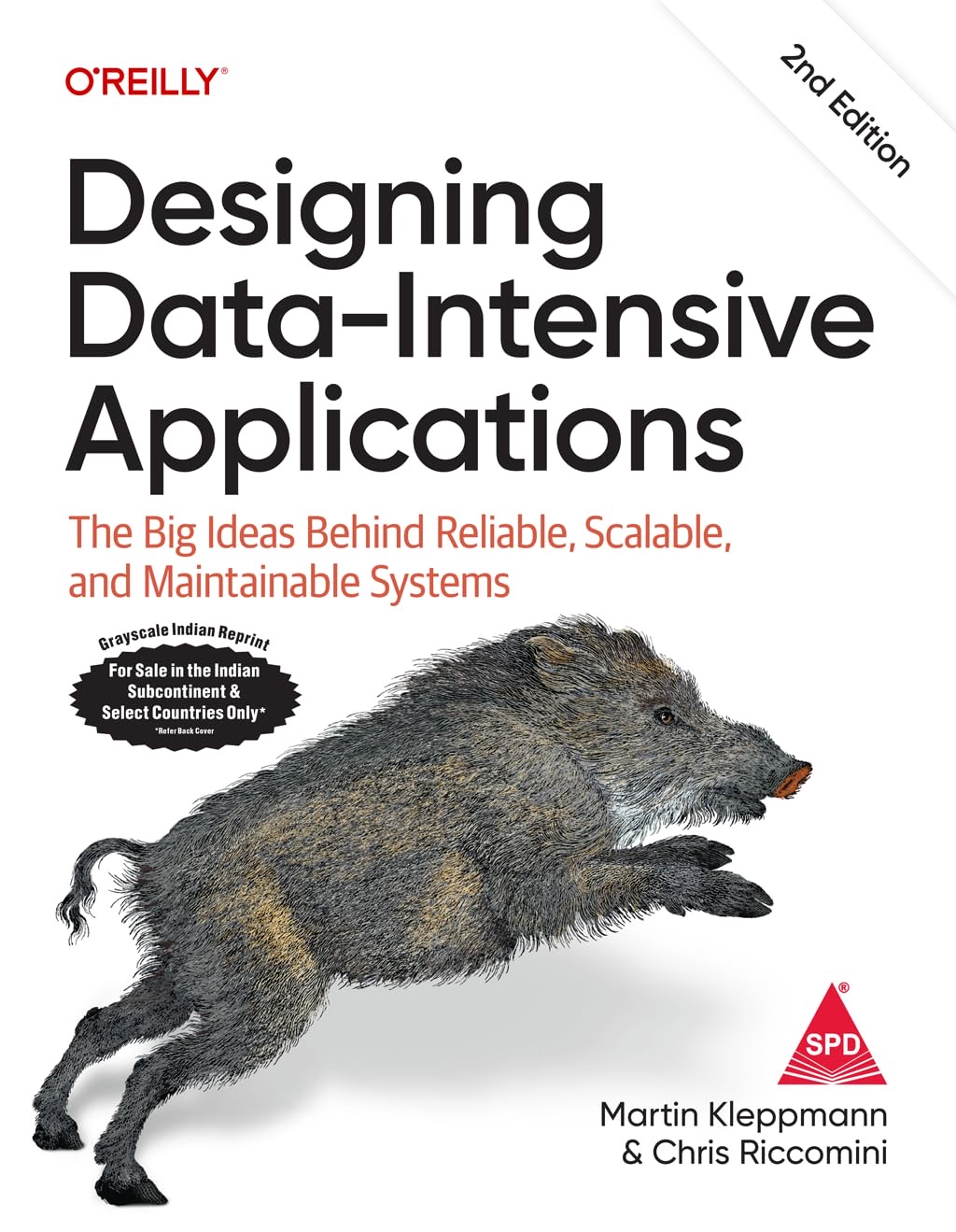
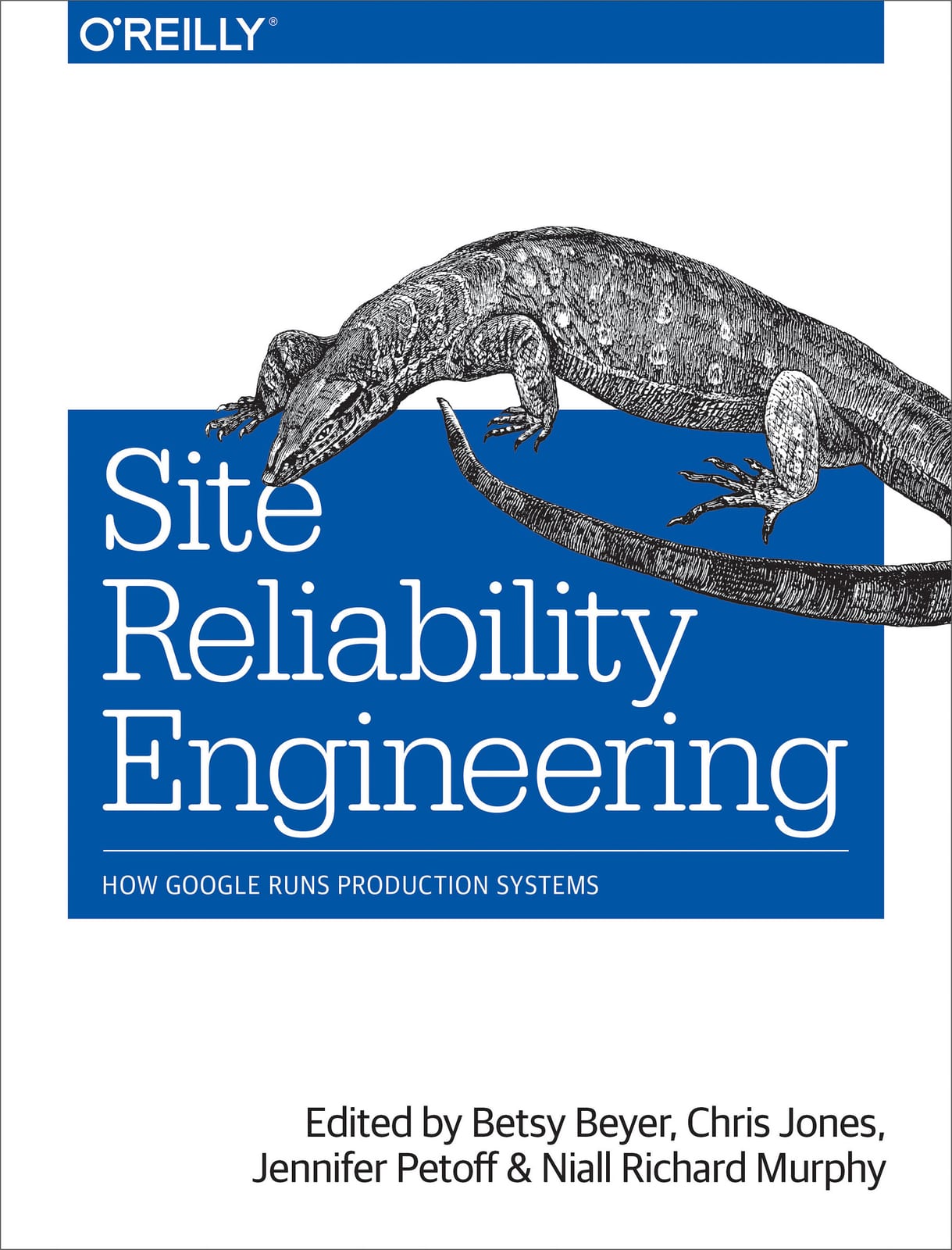
Release It! vs Designing Data-Intensive Applications → Release It! vs Building Microservices → Release It! vs Site Reliability Engineering → Frequently asked
Is Release It! still relevant in 2026?
Yes. The stability patterns it introduced, such as circuit breakers and bulkheads, are now built into most resilience libraries and service meshes. The 2nd edition updates the examples for cloud and containers. Roughly 3,200 Goodreads readers rate it 4.25, and its ideas show up in production systems everywhere.
Do I need to know Java to read Release It!?
No. A few examples use Java, but the patterns are language-agnostic and the reasoning carries to any stack. Readers working in Go, Python, or Node consistently say the lessons on timeouts, retries, and cascading failure translate directly to their own systems.
How is Release It! different from Site Reliability Engineering?
Release It! is about designing and coding a single system for stability before it ships. Site Reliability Engineering is about operating fleets of services at Google scale after they ship. They complement each other: one hardens the code, the other runs it well in production.
Read this next
3 alternatives
Ready?
Check Price on Amazon →