Designing Data-Intensive Applications versus Release It!.
Both show up on every "best" list. They're not competitors. They're a sequence. Here's which one to read first, and when.
Reviewed by Ashish Sheth · Updated July 2026
Option A
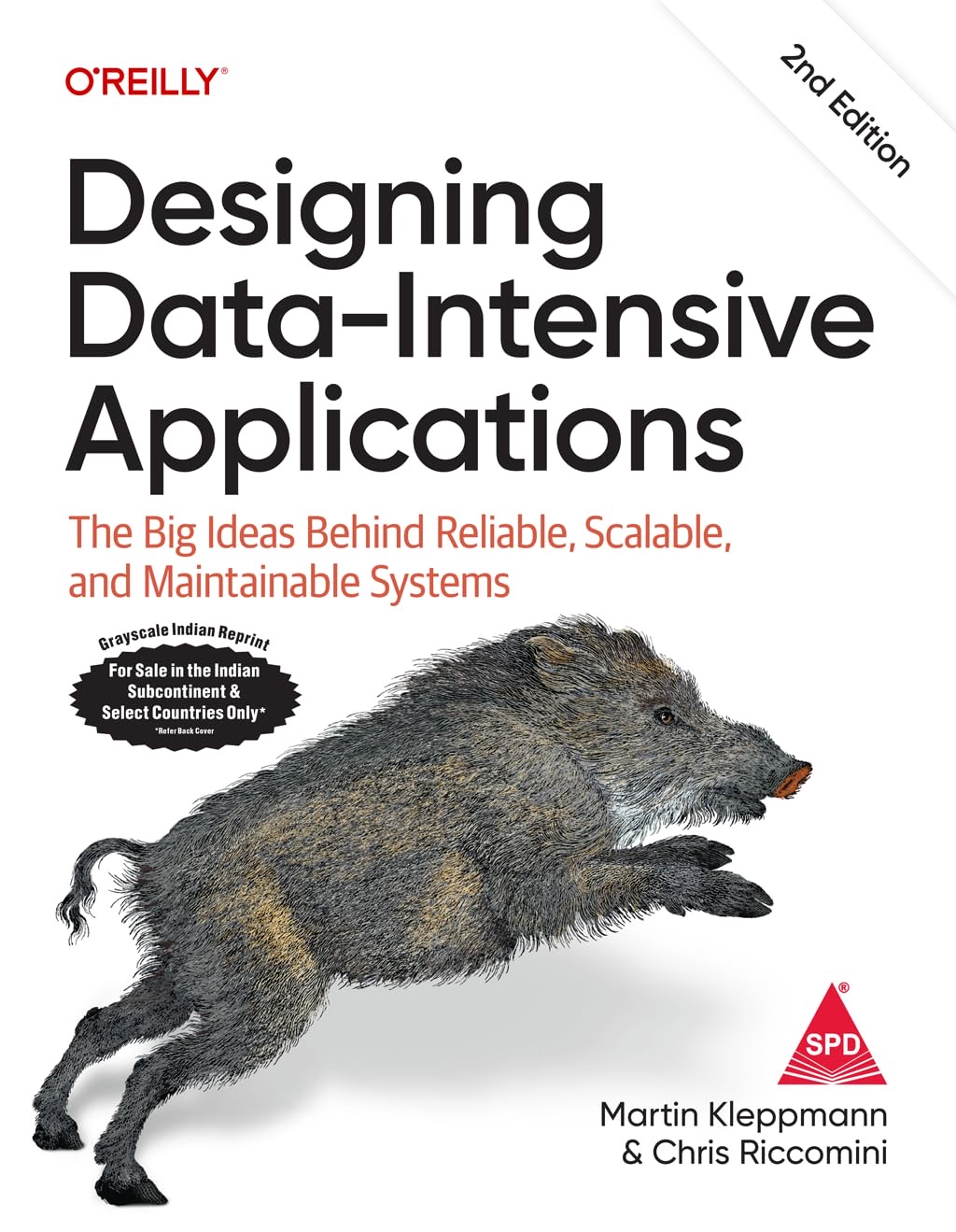
Designing Data-Intensive Applications
Martin Kleppmann, Chris Riccomini · 2026
READ FULL REVIEW →
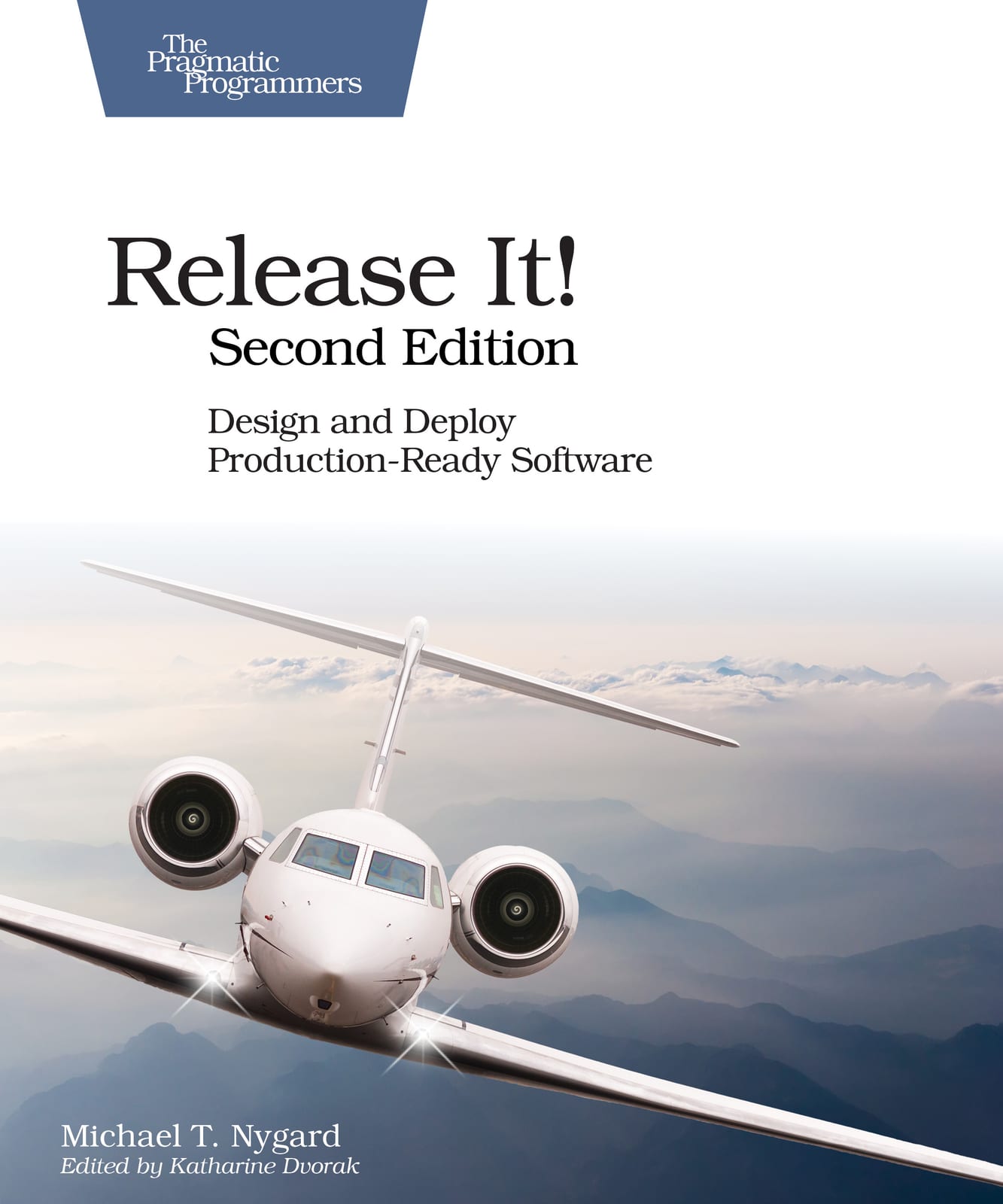
Author
Martin Kleppmann, Chris Riccomini
Michael T. Nygard
Pages
720
366
Published
2026
2018
Publisher
O'Reilly Media
Pragmatic Bookshelf
Level
intermediate to advanced
intermediate
Amazon Rating
4.7/5 (312)
4.7/5 (496)
Goodreads Rating
4.55/5 (480)
4.25/5 (3,239)
Designing Data-Intensive Applications
Strengths
+ Best-in-class explanations of distributed systems fundamentals
+ Vendor-neutral: teaches principles, not specific tools
+ Excellent diagrams that make consensus and replication finally click
+ 2nd edition refreshes every chapter and adds AI/ML data systems coverage
Caveats
− Dense: not a weekend read, expect 3-4 months at one chapter per week
− Light on hands-on code; pair with a database internals book for implementation depth
− Some readers wish the new edition went deeper on cloud-native specifics
Release It!
Strengths
+ War stories from real outages make the lessons stick
+ Its stability patterns are now standard industry vocabulary
+ The 2nd edition adds cloud, containers, and microservices
+ Reads quickly for a book this influential
Caveats
− Some examples lean on older Java enterprise stacks
− Pattern-focused rather than a step-by-step playbook
− A few readers wanted more on modern cloud-native tooling
The verdict
Read Release It! first to build foundations, then move to Designing Data-Intensive Applications for advanced concepts.
Designing Data-Intensive Applications
Check Price on Amazon →
Release It!
Check Price on Amazon →
Frequently asked
Which is better, Designing Data-Intensive Applications or Release It!?
Read Release It! first to build foundations, then move to Designing Data-Intensive Applications for advanced concepts.
Is the 2nd edition of Designing Data-Intensive Applications worth buying if I already own the first?
If you read the first edition cover to cover already, the upgrade is incremental: every chapter is refreshed and there's new coverage of AI/ML data systems, cloud-native architectures, and modern streaming. If you skimmed the first or read it years ago, the 2nd edition is the better starting point.
Is Release It! still relevant in 2026?
Yes. The stability patterns it introduced, such as circuit breakers and bulkheads, are now built into most resilience libraries and service meshes. The 2nd edition updates the examples for cloud and containers. Roughly 3,200 Goodreads readers rate it 4.25, and its ideas show up in production systems everywhere.