Database Internals versus Fundamentals of Data Engineering.
Both show up on every "best" list. They're not competitors. They're a sequence. Here's which one to read first, and when.
Reviewed by Ashish Sheth · Updated July 2026
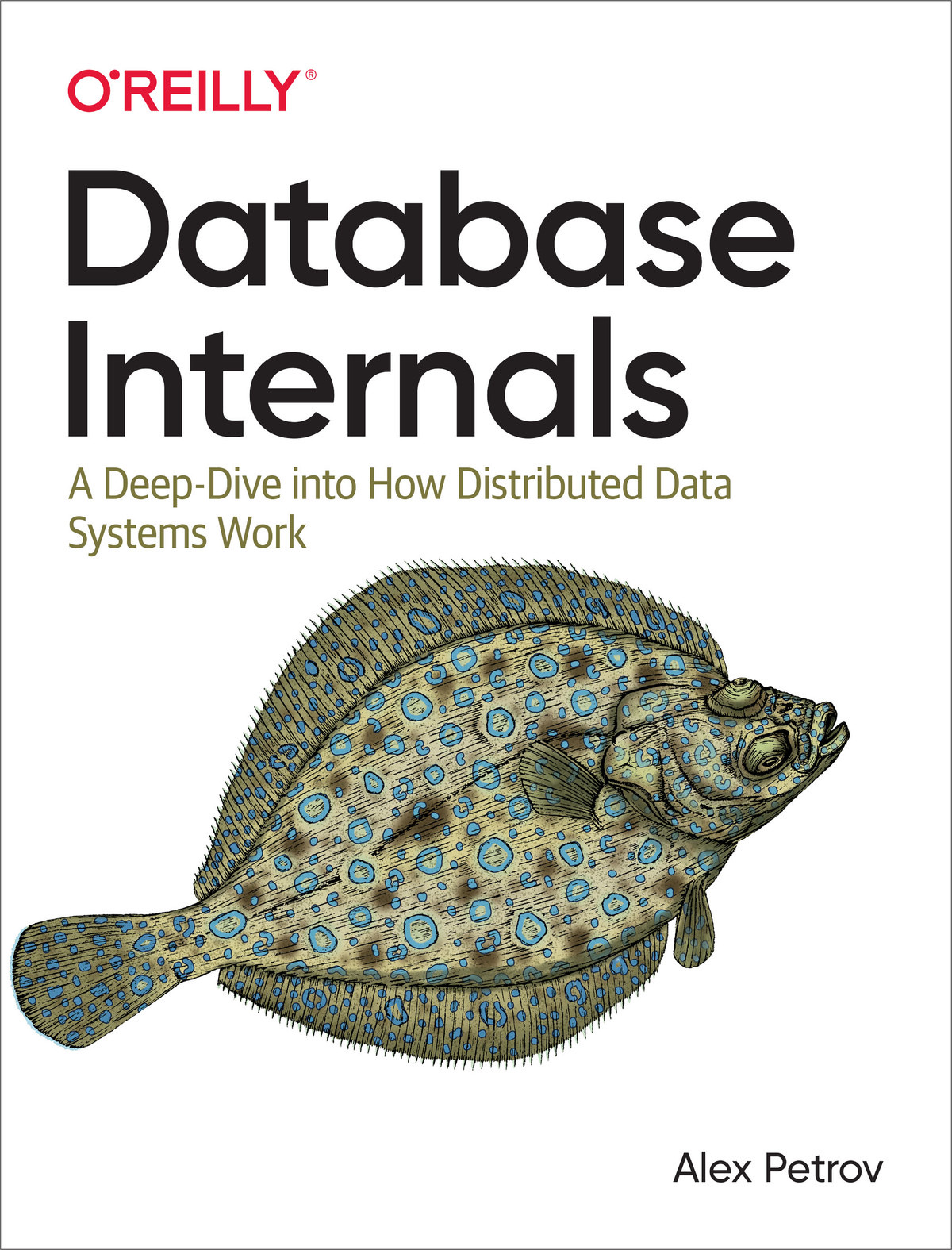
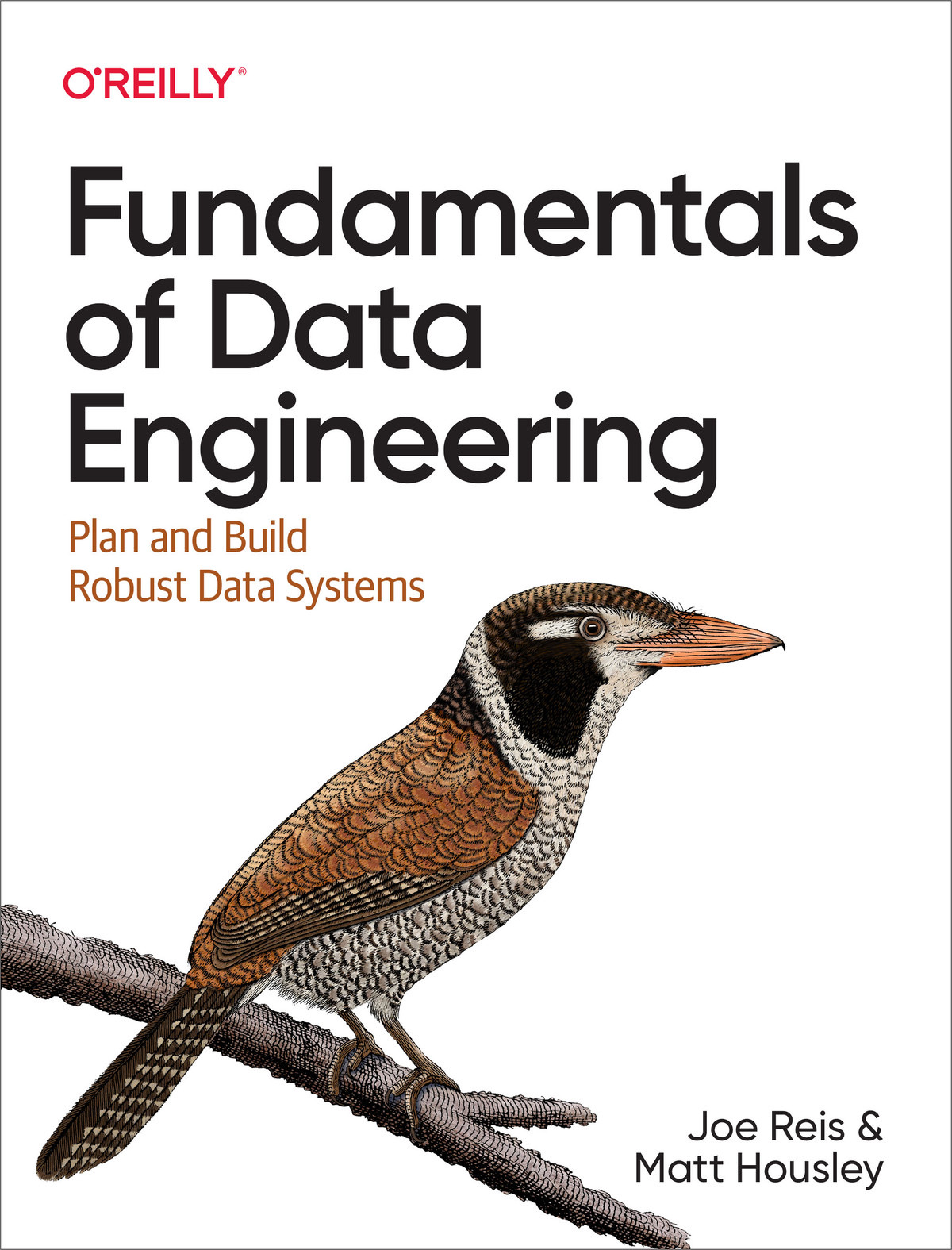
Author
Alex Petrov
Joe Reis, Matt Housley
Pages
370
447
Published
2019
2022
Publisher
O'Reilly Media
O'Reilly Media
Level
advanced
intermediate
Amazon Rating
4.3/5 (552)
4.5/5 (860)
Goodreads Rating
4.27/5 (579)
4.15/5 (1,019)
Database Internals
Strengths
+ Rare depth on storage-engine and distributed internals
+ Well-organized into a storage half and a distributed half
+ Extensive references for going deeper into the literature
+ Builds intuition for why databases behave the way they do
Caveats
− Dense and academic; not a casual read
− Assumes comfort with data structures and concurrency
− Some sections read as summaries of papers rather than tutorials
Fundamentals of Data Engineering
Strengths
+ Tool-agnostic: teaches principles that survive stack churn
+ The lifecycle framework organizes a chaotic field
+ Strong on the undercurrents most tutorials skip
+ Great onboarding for engineers new to data work
Caveats
− Deliberately high-level: few hands-on code examples
− Experienced data engineers may find early chapters basic
− Broad coverage means no single topic goes deep
The verdict
Read Fundamentals of Data Engineering first to build foundations, then move to Database Internals for advanced concepts.
Database Internals
Check Price on Amazon →
Fundamentals of Data Engineering
Check Price on Amazon →
Frequently asked
Which is better, Database Internals or Fundamentals of Data Engineering?
Read Fundamentals of Data Engineering first to build foundations, then move to Database Internals for advanced concepts.
Is Database Internals worth reading in 2026?
Yes for engineers who want to understand storage engines and distributed data systems at depth. The fundamentals it covers, B-Trees, LSM-Trees, replication, and consensus, do not change with fashion. It remains the go-to deep dive after Designing Data-Intensive Applications.
Is Fundamentals of Data Engineering worth reading in 2026?
Yes. Because it teaches a tool-agnostic lifecycle rather than a specific stack, it has aged well while individual tools churn. It is the standard first book for engineers entering data work and a solid framework for teams standardizing their approach.