Pages
370
Year
2019
Level
advanced
Read time
10h
Alex Petrov · O'Reilly Media · 2019
Reviewed by Ashish Sheth · Updated July 2026
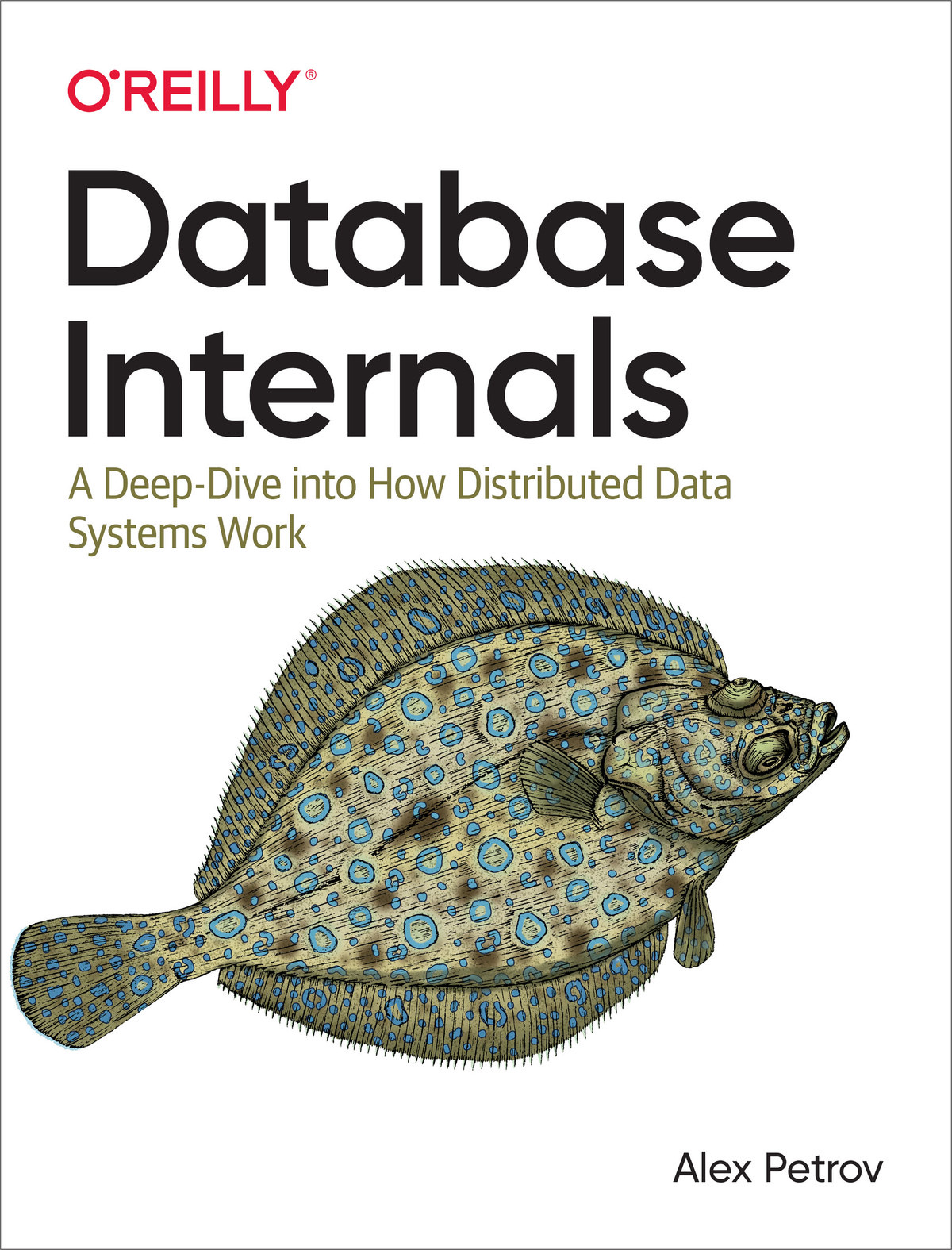
Database Internals
A Deep Dive into How Distributed Data Systems Work
4.3 / 5
AMAZON · 552 RATINGS
system design
SUBJECTS
What you'll come away with
01.
How B-Tree and LSM storage engines actually differ
02.
What really happens during replication and recovery
03.
How consensus algorithms keep distributed data correct
04.
The trade-offs behind the databases you use every day
05.
A rigorous foundation for reasoning about data systems
Strengths
+Rare depth on storage-engine and distributed internals
+Well-organized into a storage half and a distributed half
+Extensive references for going deeper into the literature
+Builds intuition for why databases behave the way they do
Caveats
−Dense and academic; not a casual read
−Assumes comfort with data structures and concurrency
−Some sections read as summaries of papers rather than tutorials
★ 4.3 FROM 552 READERS ON AMAZON
Check Price on Amazon →
Read this if
→Backend and infrastructure engineers who want database depth
→Engineers evaluating or operating distributed data stores
→Readers who finished DDIA and want to go deeper
Skip this if
—Beginners who need application-level database basics
—Readers wanting SQL or ORM how-to guidance
—Anyone looking for a light conceptual overview
Head-to-head comparisons
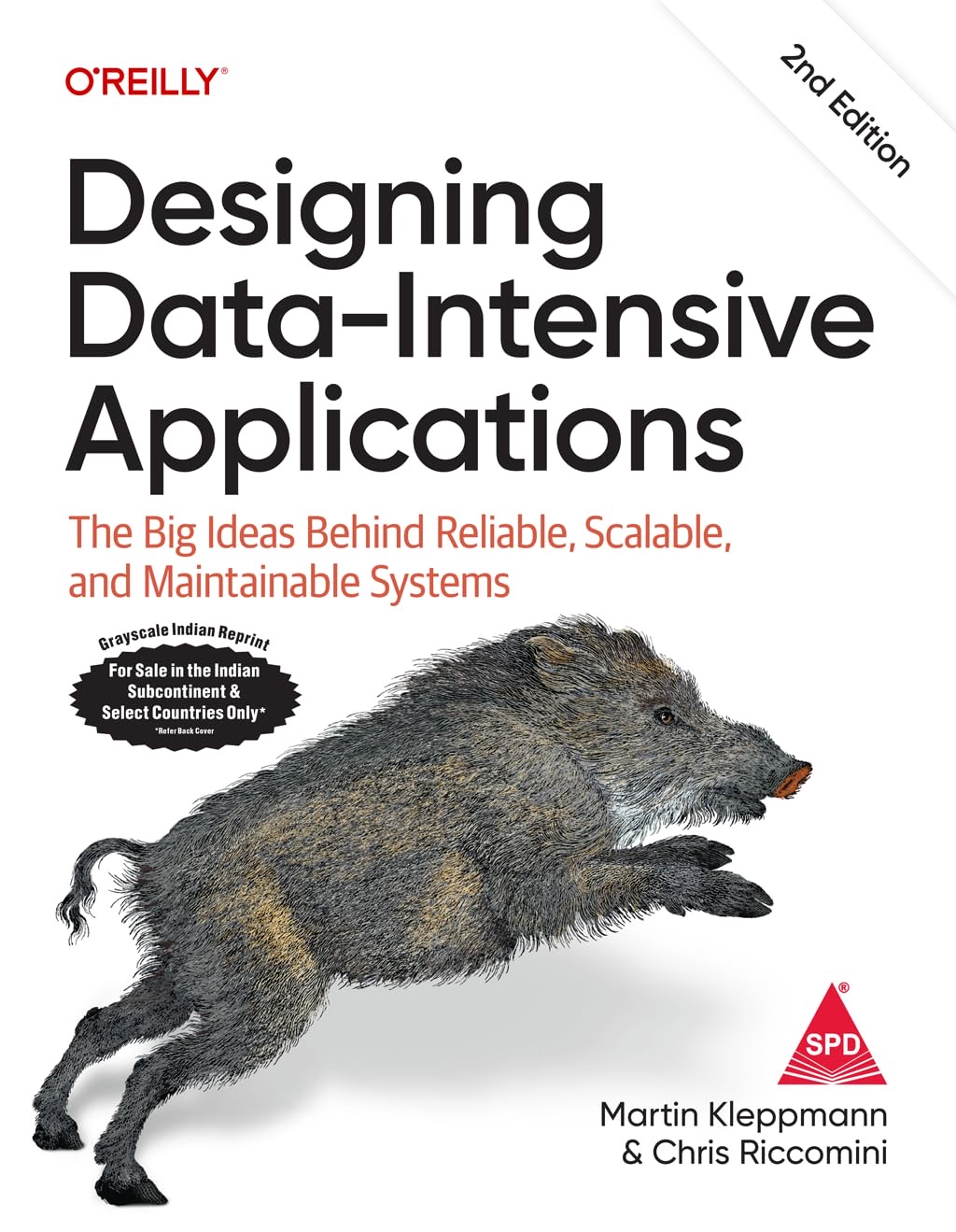
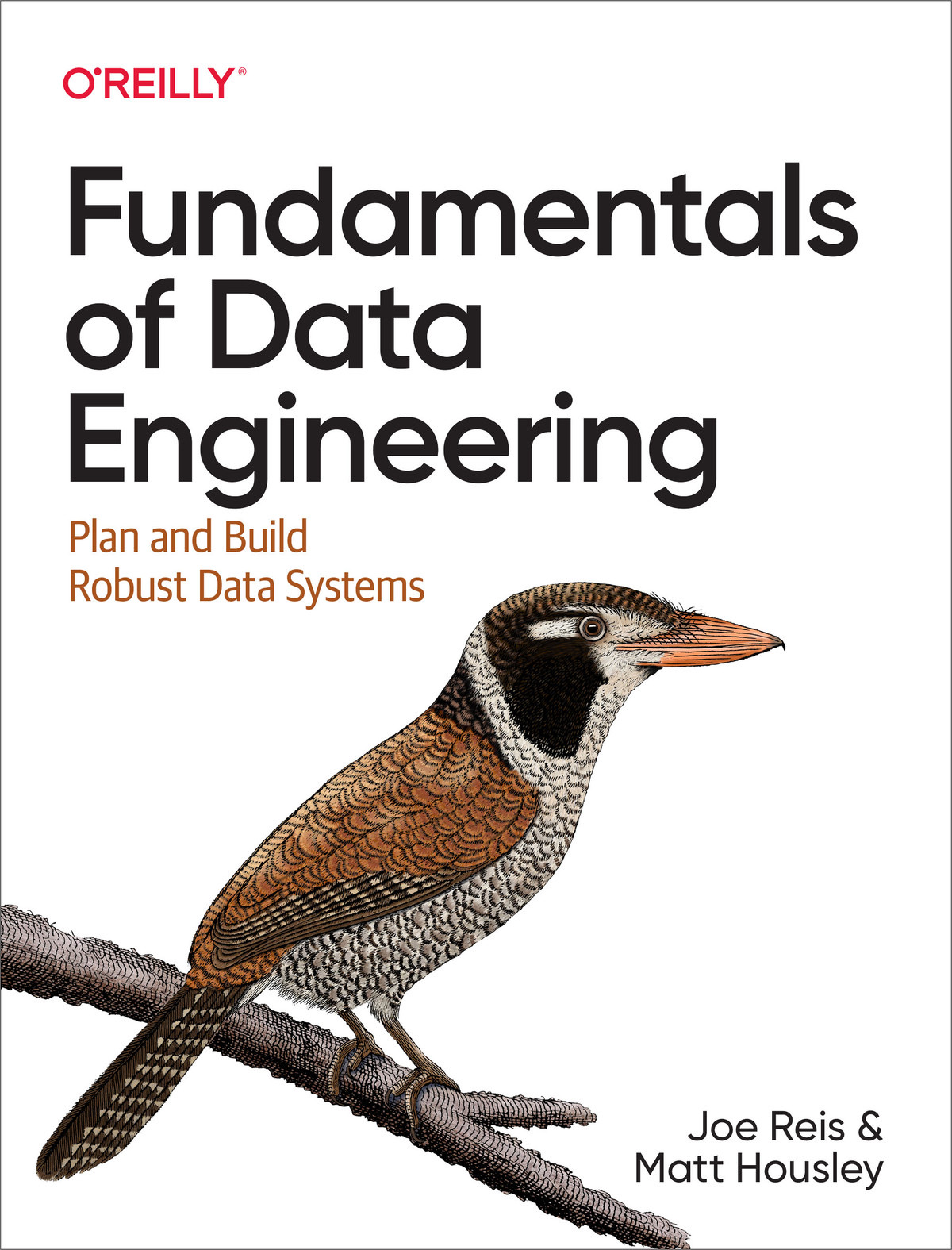
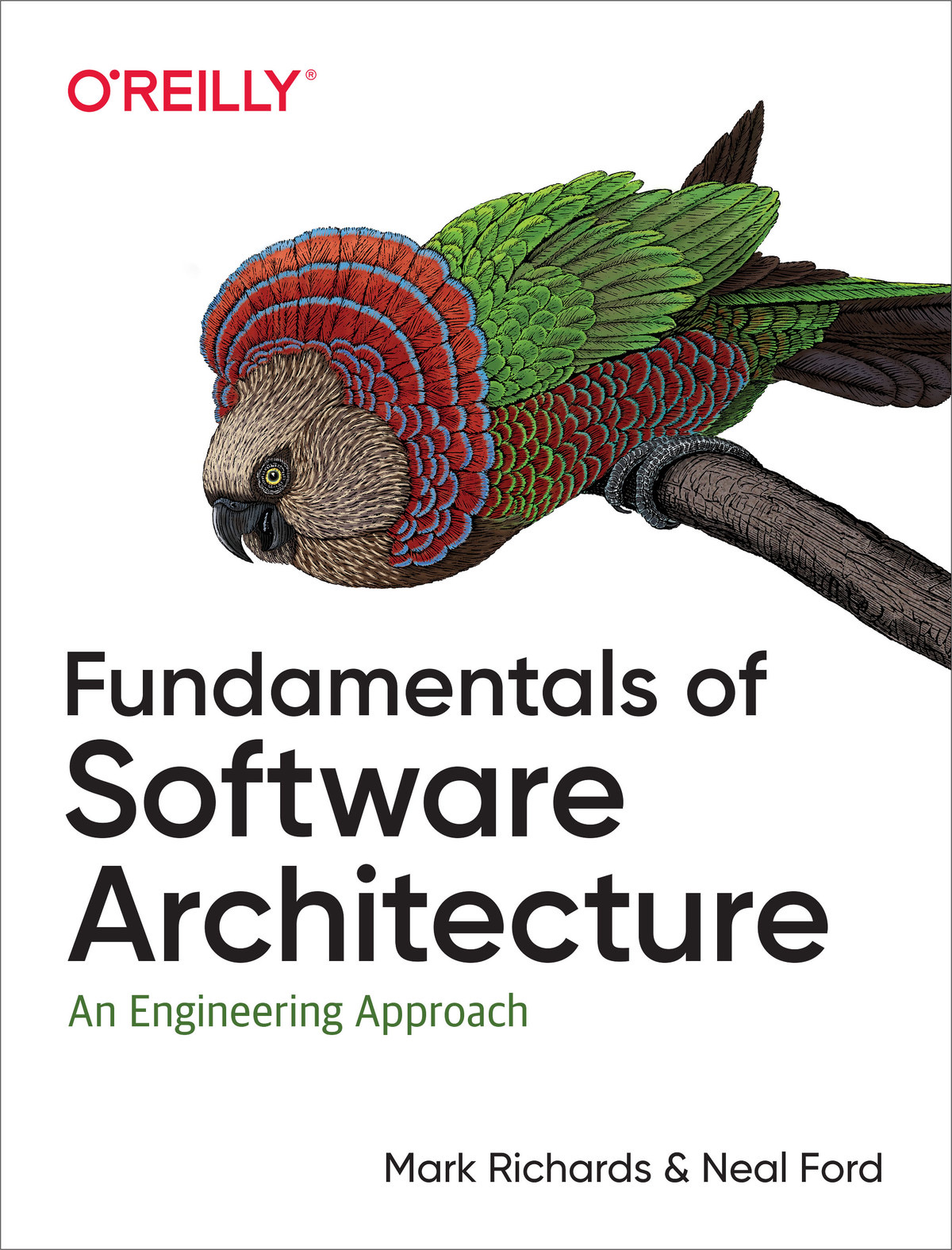
Database Internals vs Fundamentals of Software Architecture → Database Internals vs Fundamentals of Data Engineering → Database Internals vs Designing Data-Intensive Applications → Database Internals vs Understanding Distributed Systems → Frequently asked
Is Database Internals worth reading in 2026?
Yes for engineers who want to understand storage engines and distributed data systems at depth. The fundamentals it covers, B-Trees, LSM-Trees, replication, and consensus, do not change with fashion. It remains the go-to deep dive after Designing Data-Intensive Applications.
Is Database Internals harder than Designing Data-Intensive Applications?
Yes. DDIA explains the big ideas accessibly; Database Internals goes deeper into implementation, with denser, more academic treatment of storage and consensus. Read DDIA first, then Database Internals when you want the mechanisms beneath the concepts.
Do I need a strong CS background for Database Internals?
It helps. You should be comfortable with data structures, concurrency, and algorithmic reasoning. It is an advanced book that rewards patience; engineers without that background should start with DDIA and return to this one afterward.
Read this next
4 alternatives
Ready?
Check Price on Amazon →