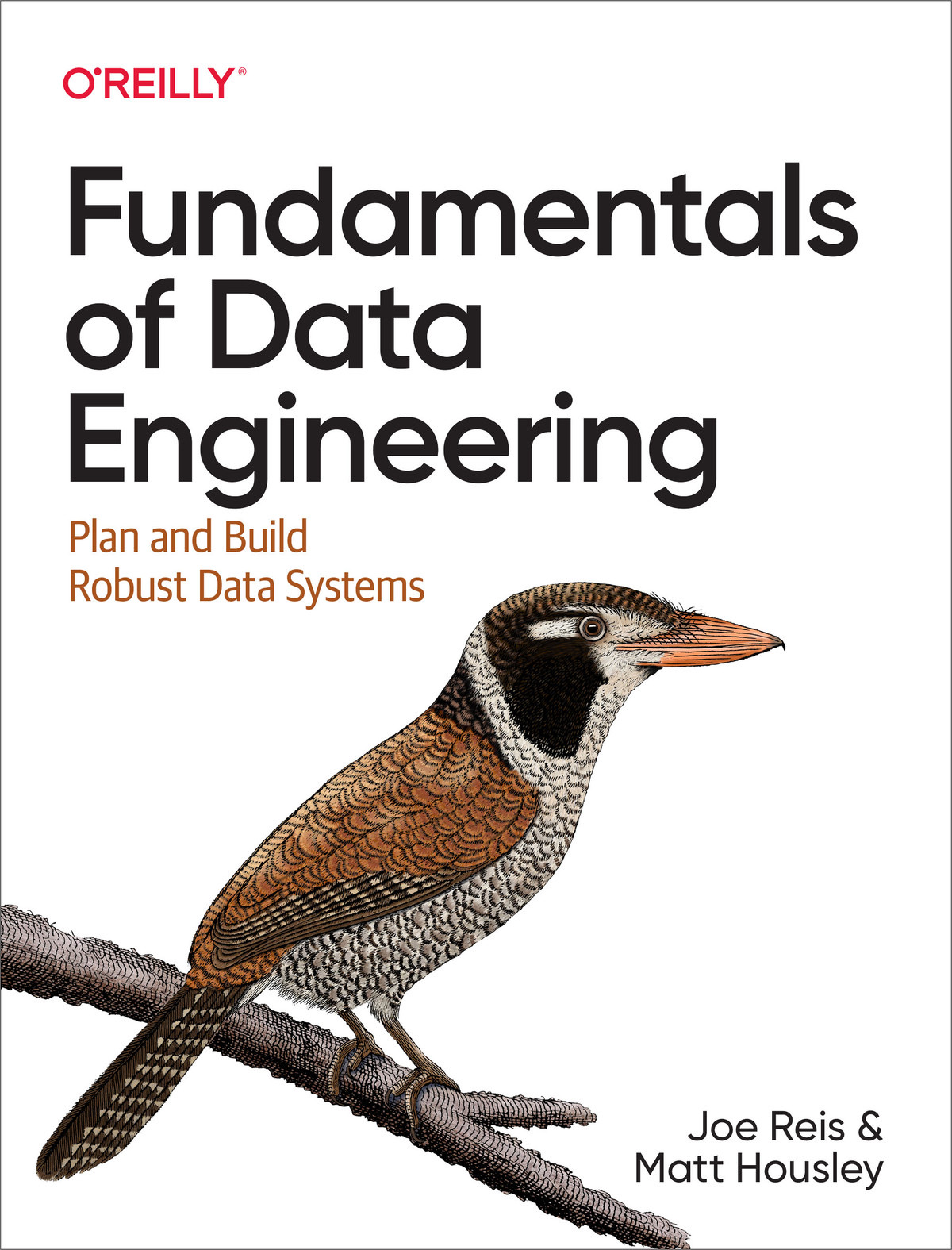
Pages
447
Year
2022
Level
intermediate
Read time
12h
Joe Reis, Matt Housley · O'Reilly Media · 2022
Reviewed by Ashish Sheth · Updated July 2026
Fundamentals of Data Engineering
Plan and Build Robust Data Systems
4.5 / 5
AMAZON · 860 RATINGS
system design
SUBJECTS
What you'll come away with
01.
A vendor-neutral mental model for the whole data lifecycle
02.
How to choose data tools based on trade-offs, not trends
03.
Where security and governance fit across every stage
04.
How batch and streaming architectures actually differ
05.
A durable framework that outlasts any specific tool
Strengths
+Tool-agnostic: teaches principles that survive stack churn
+The lifecycle framework organizes a chaotic field
+Strong on the undercurrents most tutorials skip
+Great onboarding for engineers new to data work
Caveats
−Deliberately high-level: few hands-on code examples
−Experienced data engineers may find early chapters basic
−Broad coverage means no single topic goes deep
★ 4.5 FROM 860 READERS ON AMAZON
Check Price on Amazon →
Read this if
→Engineers stepping into data engineering
→Software engineers who now own pipelines
→Leads who want a shared vocabulary for data systems
Skip this if
—Engineers wanting hands-on Spark or dbt tutorials
—Veteran data engineers seeking advanced depth
—Readers who prefer tool-specific how-to guides
Head-to-head comparisons
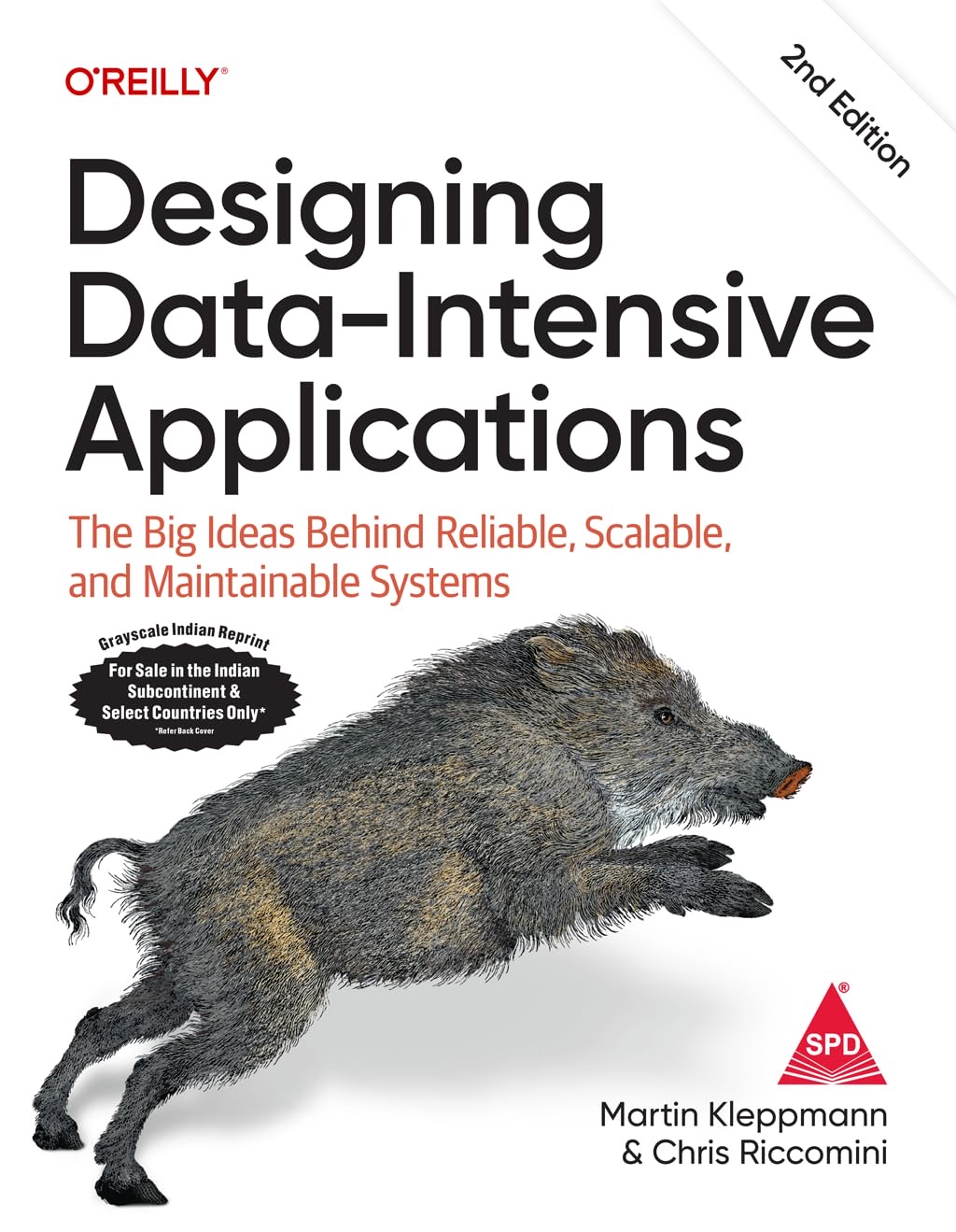
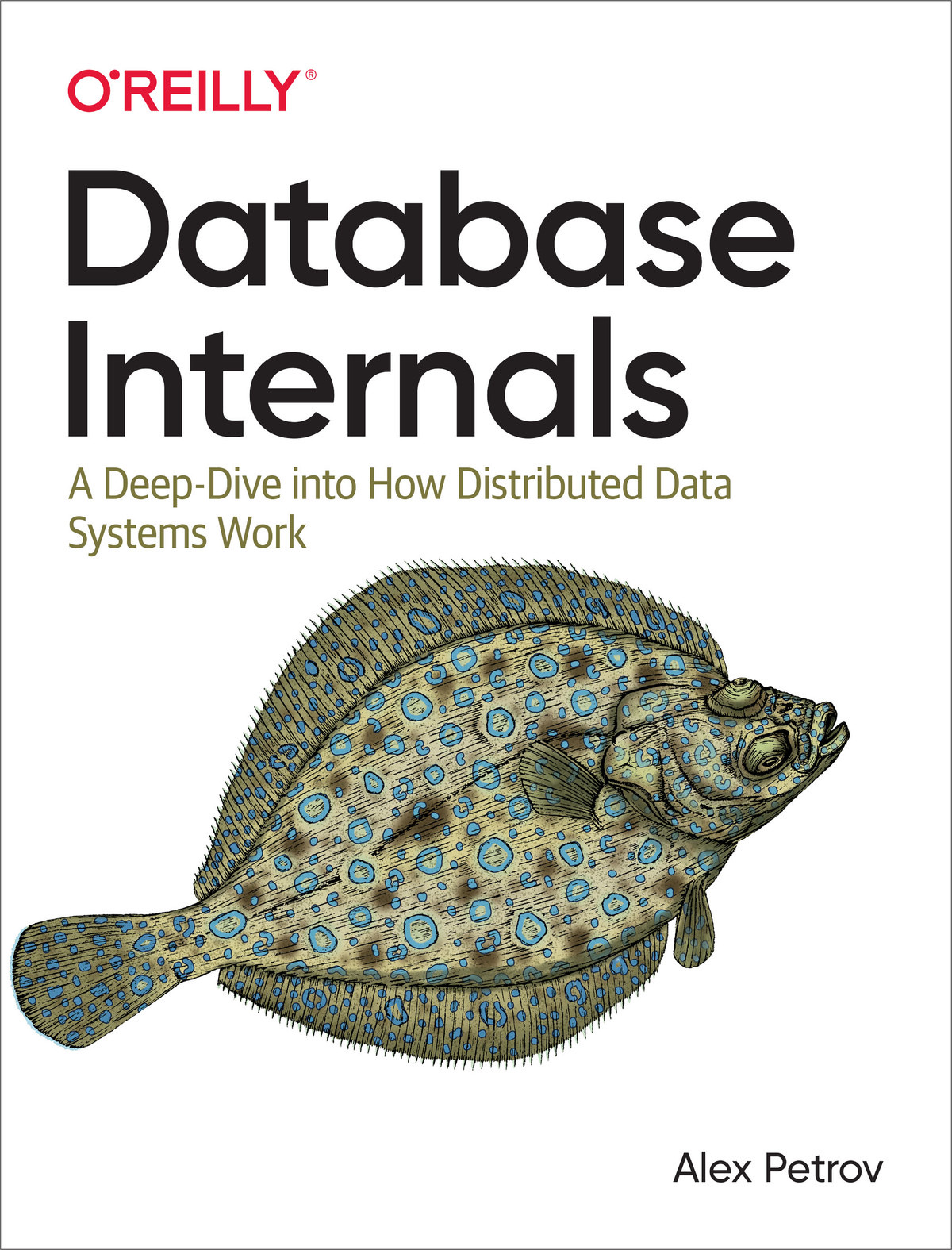
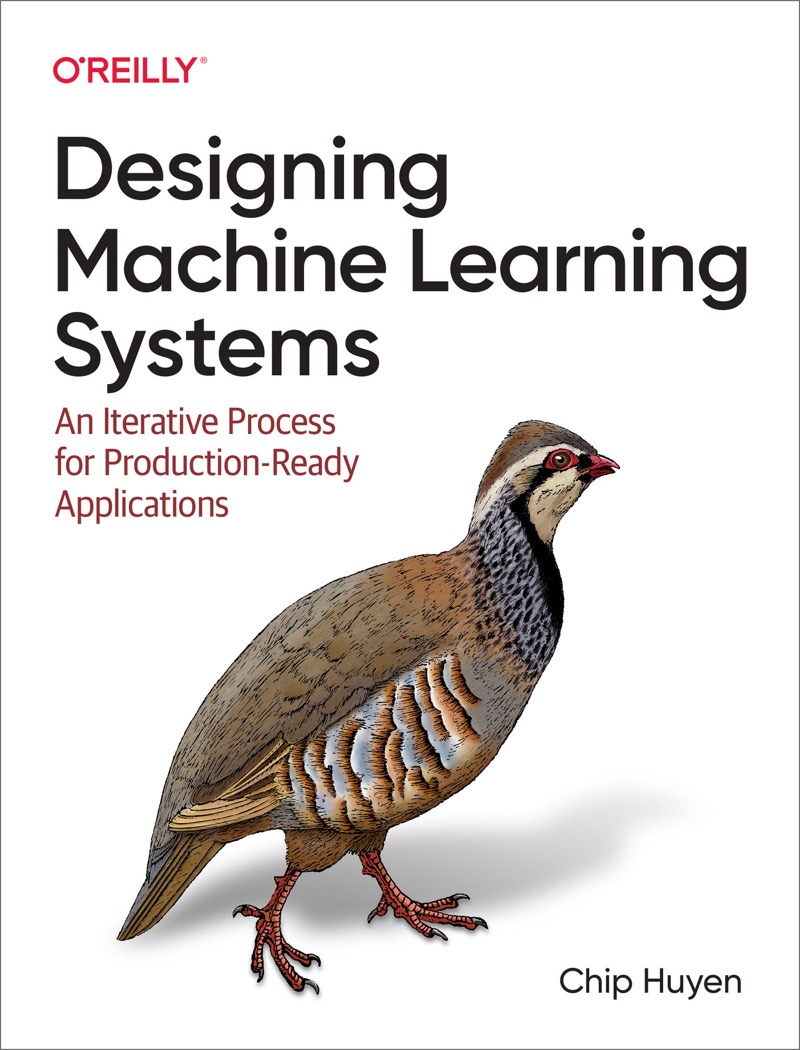
Fundamentals of Data Engineering vs Designing Data-Intensive Applications → Fundamentals of Data Engineering vs Database Internals → Fundamentals of Data Engineering vs Designing Machine Learning Systems → Frequently asked
Is Fundamentals of Data Engineering worth reading in 2026?
Yes. Because it teaches a tool-agnostic lifecycle rather than a specific stack, it has aged well while individual tools churn. It is the standard first book for engineers entering data work and a solid framework for teams standardizing their approach.
Does Fundamentals of Data Engineering have code examples?
Not many. It is deliberately conceptual, focused on the lifecycle, trade-offs, and architecture rather than hands-on tutorials. Pair it with a tool-specific guide (Spark, dbt, or a warehouse) if you want to build alongside reading.
Fundamentals of Data Engineering or Designing Data-Intensive Applications?
Read this first for the practical data lifecycle and how the pieces fit, then DDIA for deep theory on storage, replication, and consistency. Fundamentals is the broad on-ramp; DDIA is the deep systems reference underneath it.
Read this next
3 alternatives
Ready?
Check Price on Amazon →