Software Engineering at Google versus Team Topologies.
Both show up on every "best" list. They're not competitors. They're a sequence. Here's which one to read first, and when.
Reviewed by Ashish Sheth · Updated July 2026
Option A
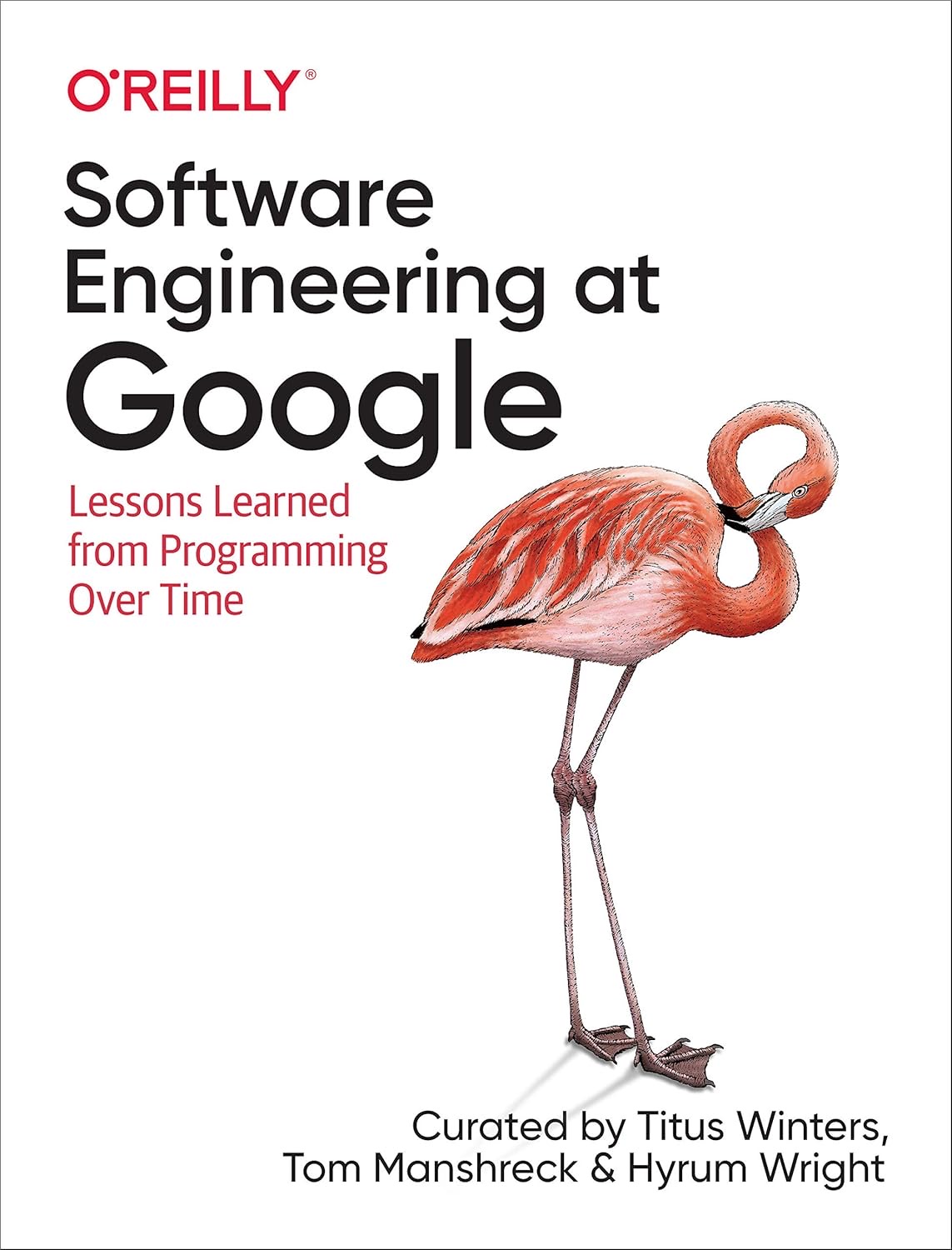
Software Engineering at Google
Titus Winters, Tom Manshreck, Hyrum Wright · 2020
READ FULL REVIEW →
Author
Titus Winters, Tom Manshreck, Hyrum Wright
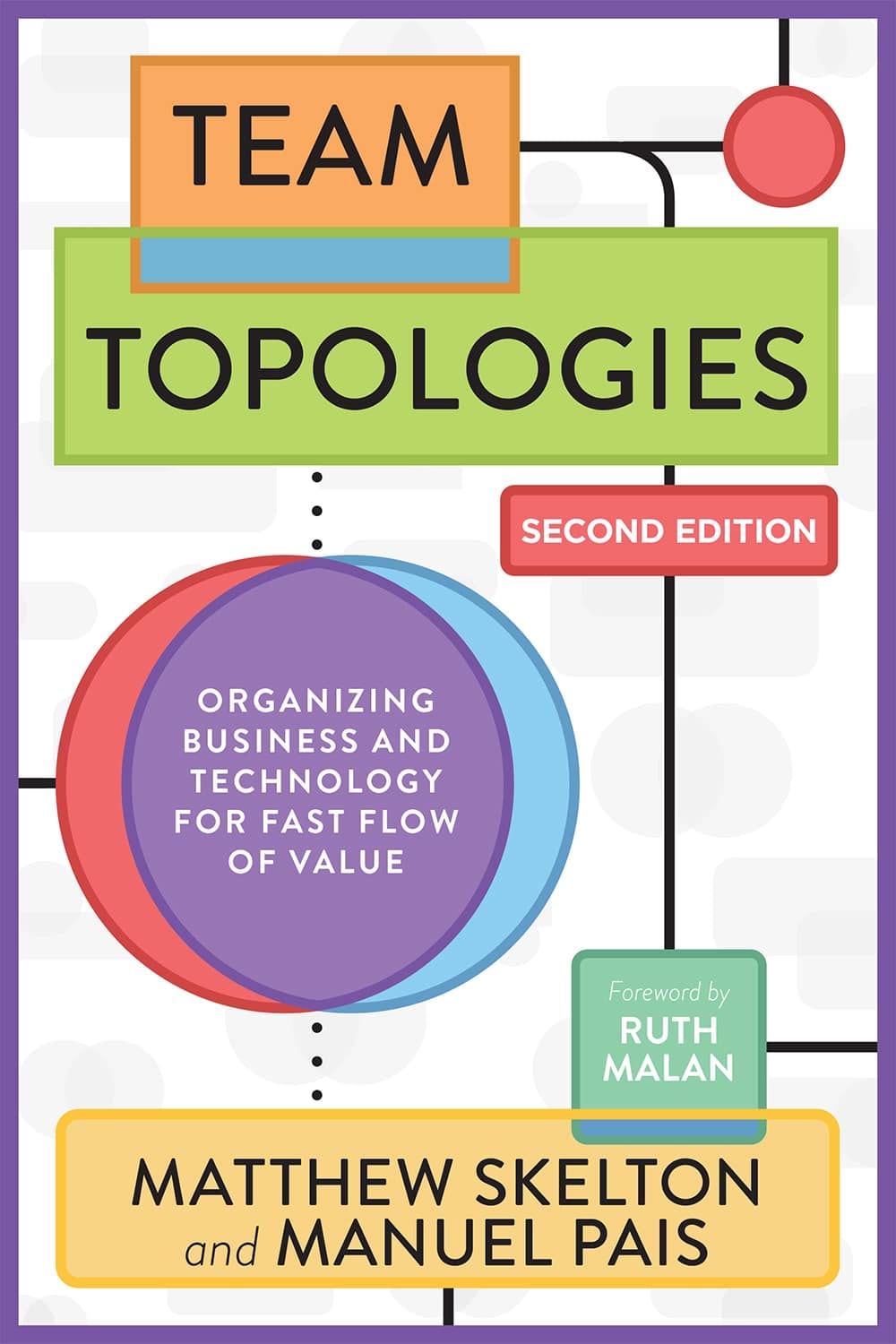
Matthew Skelton, Manuel Pais
Pages
599
240
Published
2020
2025
Publisher
O'Reilly Media
IT Revolution Press
Level
intermediate to advanced
intermediate
Amazon Rating
4.6/5 (712)
4.5/5 (2,900)
Goodreads Rating
4.32/5 (1,480)
4.18/5 (5,498)
Software Engineering at Google
Strengths
+ Honest about what worked, what didn't, and what's specific to Google's scale
+ Best available treatment of large-scale code change and deprecation
+ Each chapter stands alone — you can read just the topics you need
+ Coined Hyrum's Law in a form every engineer should internalize
Caveats
− Some chapters are heavy on Google-specific tools (Blaze, Critique, Piper)
− Cultural chapters can feel like recruiting marketing in places
− Less directly applicable at a 10-person startup than at a 1,000-person company
Team Topologies
Strengths
+ Gives clear names to team patterns people felt but could not describe
+ Short and well-structured, readable in a weekend
+ Grounded in Conway's Law and real DevOps research
+ Widely adopted, so it creates shared language across an org
Caveats
− More a model and vocabulary than a detailed implementation guide
− Some readers find the core ideas could fit a long article
− Applying it well still needs leadership buy-in you supply yourself
The verdict
Read Team Topologies first to build foundations, then move to Software Engineering at Google for advanced concepts.
Software Engineering at Google
Check Price on Amazon →
Team Topologies
Check Price on Amazon →
Frequently asked
Which is better, Software Engineering at Google or Team Topologies?
Read Team Topologies first to build foundations, then move to Software Engineering at Google for advanced concepts.
Is Software Engineering at Google only useful if you work at a big company?
Most chapters apply at any team size of about 20+ engineers. The book is explicit about which practices need scale to pay off and which work even on small teams — read the testing, code review, and deprecation chapters first; treat the monorepo and infrastructure chapters as context.
Who is Team Topologies for?
It is written for engineering leaders, managers, architects, and platform teams who influence how people are organized. If you decide team boundaries, ownership, or how a platform team serves product teams, the model gives you clear language and patterns. Around 5,400 Goodreads readers rate it 4.18.